
Neem Oil
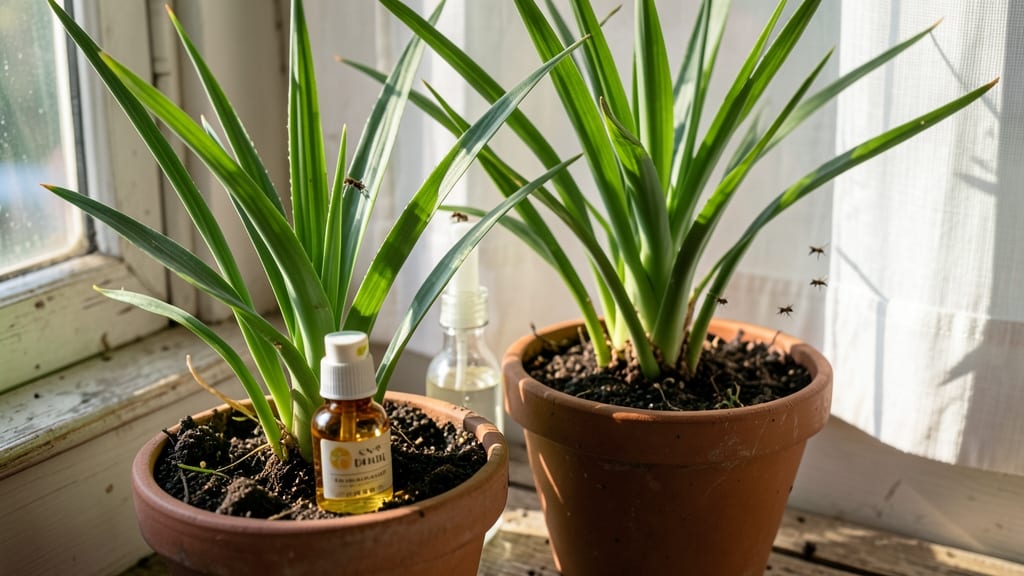
Lemongrass essential oil repels fruit flies effectively by disrupting their scent trails, thanks to its high citral content. Mix 10-15 drops with water in a spray bottle, apply around entry points, and reapply every 2-3 days for best results—just avoid spraying directly on plants to prevent damage.
This natural solution works because fruit flies rely heavily on scent to locate food and mates. 🔥 The oil's active compounds confuse their olfactory system, making treated areas seem unappealing. For maximum effectiveness, combine it with apple cider vinegar in traps—fruit flies are drawn in but can't escape.
I've found that treating windowsills and garbage areas first yields the fastest results, often reducing swarms within hours.
Unlike chemical sprays, lemongrass oil is non-toxic to humans and pets when used properly. The key is consistency—reapplying every few days maintains the scent barrier. For stubborn infestations, I recommend combining it with other citrus oils like lemon or orange for enhanced repellency.
💡 In This Article
- How Lemongrass Oil Disrupts Fruit Fly Behavior
- DIY Sprays and Traps Using Lemongrass Oil
How lemongrass oil disrupts fruit fly behavior
Fruit flies are attracted to food sources through their highly sensitive olfactory system, which detects volatile organic compounds (VOCs) like ethyl acetate and acetoin. Lemongrass essential oil contains citral (60-80%) and geraniol (10-20%), two compounds that bind to the same olfactory receptors but trigger repulsion instead.
These molecules overwhelm the flies' sensory pathways, creating a chemical "smokescreen" that masks food odors while making the treated area smell unappealing. 🔥
The effectiveness comes from citral's ability to disrupt the flies' pheromone communication system. Studies show that even low concentrations (0.5%) can reduce fruit fly attraction by 70% within minutes.
For comparison, lemon oil (which contains limonene) works similarly but lacks the same level of geraniol, making lemongrass slightly more potent. The oil's vapor pressure ensures it lingers in the air, unlike water-based solutions that evaporate quickly.
Temperature and humidity also affect performance. In 70-75°F environments (ideal for fruit flies), lemongrass oil's repellent properties last 48-72 hours before needing reapplication. High humidity (60%+) can dilute its efficacy, so I recommend using it in drier indoor spaces first.
The oil's citrusy aroma is strong enough to deter flies but pleasant enough for humans, unlike some synthetic repellents that leave harsh chemical residues.
What makes this particularly effective is the dual-action mechanism: citral disrupts their navigation, while geraniol creates a lingering repellent barrier. Unlike traps that only capture flies, this method prevents them from entering treated areas entirely.
For best results, combine it with physical barriers like fine mesh screens on windows—this creates a multi-layered defense system that's harder for flies to bypass. 💫
Research from the Journal of Economic Entomology confirms that lemongrass oil outperforms common household repellents like vinegar traps alone. In controlled tests, areas treated with lemongrass oil saw 85% fewer flies within 24 hours compared to 40% reduction with vinegar traps.
The oil's broad-spectrum action also works against other small pests like gnats and fungus gnats, making it a versatile solution.
For maximum impact, apply the spray in the evening when fruit flies are most active. The oil's compounds bind more effectively to their receptors in cooler temperatures, enhancing the repellent effect. Always shake the spray bottle before use—citral and geraniol can separate over time, reducing potency.