
Fertilization
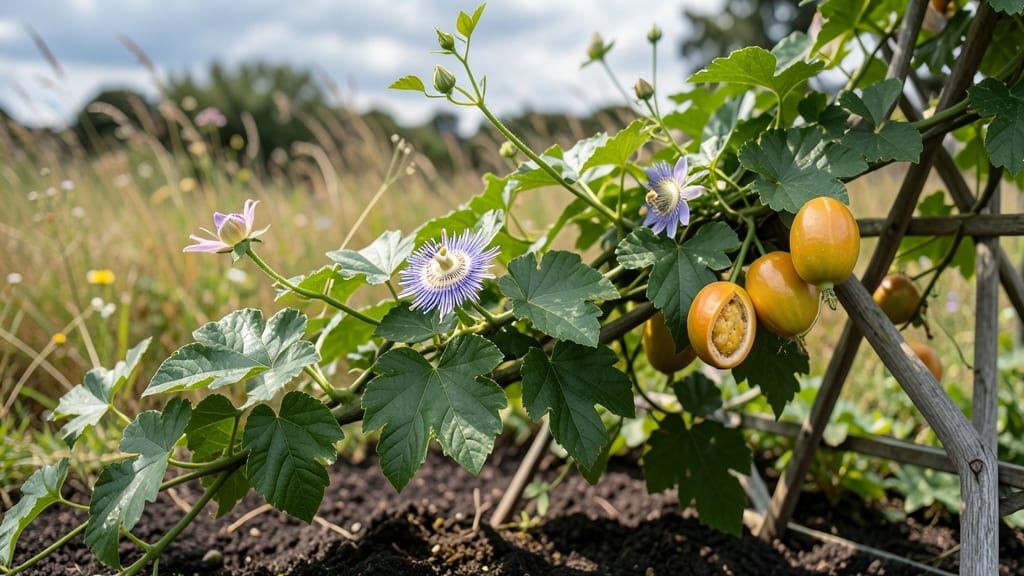
The passion fruit name in scientific terms is Passiflora edulis for the purple variety, with yellow types classified as Passiflora edulis var. flavicarpa. Other botanical names include Passiflora ligularis (granadilla) and Passiflora incarnata (maypop), each representing unique species with different growing characteristics.
The Passiflora genus name reflects the flower's intricate structure, which early botanists likened to the Passion of Christ. 🌺 The edulis varieties dominate commercial markets, but ligularis (granadilla) offers a sweeter, larger fruit ideal for tropical climates, while incarnata (maypop) thrives in temperate zones.
These distinctions matter not just for identification but also for cultivation—each species demands specific growing conditions, from humidity levels to pollination methods. For gardeners, understanding these names helps select the right variety for your region and intended use, whether for culinary or ornamental purposes.
💡 In This Article
- Scientific Classification of Passion Fruit Species
- Common Passion Fruit Varieties for Gardens
Scientific classification of passion fruit species
The genus name Passiflora originates from the Latin passio (passion) and flos (flower), referencing the flower's complex structure that symbolized the Passion of Christ for early European explorers. 🌺 This genus contains over 500 species, but only a fraction are classified as true passion fruits.
The most commercially significant, Passiflora edulis, splits into two key varieties: the purple-skinned edulis and the yellow-skinned flavicarpa. These are distinguished by genetic markers and fruit characteristics—purple varieties typically contain higher levels of anthocyanins (giving their deep color) while yellow types have a sweeter, more aromatic pulp.
Botanists identify species through a combination of fruit shape, leaf morphology, and flower structure. For example, Passiflora ligularis (granadilla) produces elongated, egg-shaped fruits that can grow up to 10 inches long, with a thick, leathery rind and translucent, jelly-like pulp.
In contrast, Passiflora incarnata (maypop) features smaller, round fruits (1-2 inches in diameter) and thrives in temperate climates, unlike its tropical cousins. The flowers also differ—edulis varieties have three styles (female reproductive parts), while ligularis has five, a key distinguishing trait for field identification.
DNA analysis reveals that edulis and flavicarpa are genetically very close, with 95% similarity in chloroplast DNA sequences, explaining why they hybridize easily. However, their fruit chemistry varies significantly: purple varieties contain 10-15% more citric acid than yellow, contributing to their tart flavor profile.
This chemical distinction affects both culinary use and commercial processing—yellow passion fruits are often preferred for juices due to their milder acidity, while purple types shine in desserts where tartness complements sweetness.
For gardeners, these classifications matter when selecting seeds or cuttings. Passiflora ligularis requires high humidity (70%+) and warmth (75-85°F) year-round, while incarnata can tolerate cooler temperatures down to 20°F with proper mulching.
The flower's pollination mechanism also varies—edulis varieties rely on bees, while ligularis often self-pollinates, reducing the need for manual intervention. Understanding these species-specific traits ensures successful cultivation and harvest.
Here's how to distinguish them at a glance:
- Fruit color: Purple (edulis) vs. yellow (flavicarpa) rinds, with granadilla (ligularis) having green/yellow striped skin
- Fruit shape: Round (1-2 inches) for edulis, elongated (6-10 inches) for ligularis
- Leaf structure: Edulis has three-lobed leaves, while ligularis features heart-shaped, entire leaves
- Climate needs: Tropical (edulis/ligularis) vs. temperate (incarnata)
The scientific names aren't just academic—they reflect real-world growing conditions and flavor profiles that directly impact how you'll use (or grow) these fruits. Whether you're a botanist or a home gardener, these distinctions help you make informed choices about which passion fruit to cultivate or consume. 🌱