
Why this site exists
You’re staring at a seed packet or a bare patch of soil, wondering if this year’s garden will finally work.
The instructions on the bag say ‘direct sow after last frost,’ but your frost dates are unreliable, the soil is heavy clay, and the last time you tried planting zucchini, you ended up with a single bitter fruit that never ripened.
This site exists to close that gap. No vague advice, no assumptions about your climate or soil. Just the lessons learned from real dirt, real seasons, and the plants that either thrived or failed—and why.
Who writes this site
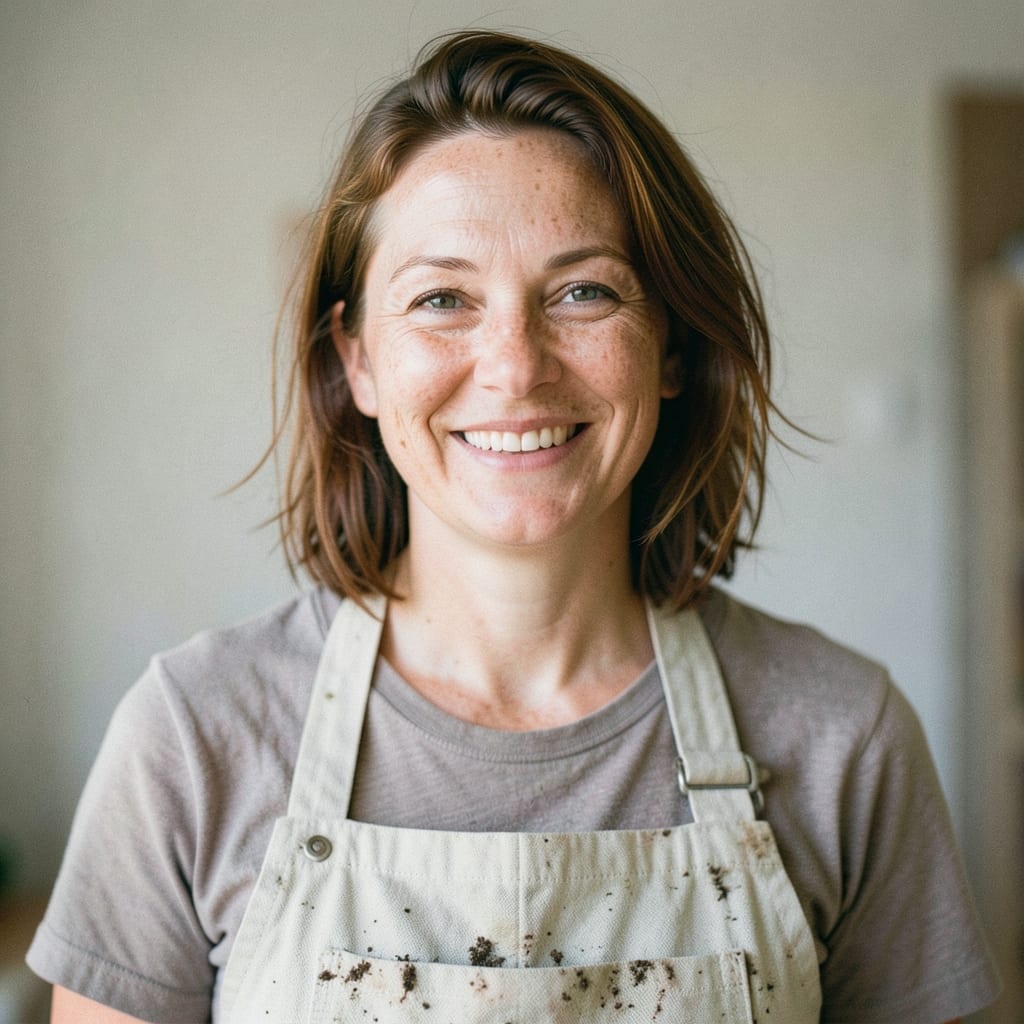
Colleen Fitzgerald runs this site.
Do you test everything before writing about it?
Yes. If it’s a seed, I start it twice—once in a pot, once in the ground. If it’s a technique, I try it in the worst conditions first: soggy soil, late starts, or when the weather betrays me. If it fails, I say so.
What do you get wrong more than anything else?
Watering. I still overestimate how much plants need in heatwaves, then blame the soil when the roots rot. The first year I killed a peach tree because I thought ‘drought-tolerant’ meant ‘ignore it.’
Why isn’t plant X here?
Either it’s a regional specialty I haven’t grown yet, or it’s something I’ve tried and can’t recommend—like heirloom beans that shatter at the slightest breeze. If it’s not here, it’s because I’ve learned its limits.
There’s a pair of pruning shears in the kitchen drawer, always within reach. If I’m not gardening, I’m sharpening them or arguing with my houseplants about light.
How a garden guide is built
It starts with a question: *What grew here last year that I’d do again?* The answers become the foundation. Then come the failures—the plants that bolted, the rows I neglected, the soil tests that lied. Those shape the advice.
The first season
Plant what you’ll actually eat. My first year, I filled beds with kale because it sounded hardy. I harvested three leaves before giving up. Now, the garden is 80% things I’ll finish: cherry tomatoes, green beans, and one stubborn zucchini that always overproduces.
Track everything. A notebook with dates, weather, and notes on what thrived (or didn’t) is more useful than any app. Last summer, I realized my strawberries needed shade after they turned bitter—something I’d ignored for years.
The fixes that follow
Soil is the first adjustment. If plants wilt despite water, it’s not wilting—it’s drowning in compacted clay. Amend it. If leaves yellow, it’s not ‘nutrient deficiency’—it’s often too much nitrogen or not enough phosphorus. Test it.
Time is the second. Seed packets lie about spacing. ‘12 inches apart’ becomes ‘6 inches’ when you’re desperate for harvests. I now plant in grids with a ruler, then thin ruthlessly. The first year, I lost half my carrots to crowding.
What we will not do
This site won’t pretend gardening is simple. It won’t promise foolproof results for your specific soil or climate. It won’t ignore the plants that fail as much as the ones that succeed.
Things you will never find here
- Generic ‘best plants for beginners’ lists without soil or sun requirements.
- Photos of perfect gardens—only the real ones, with uneven rows and overgrown paths.
- Advice that works everywhere. If it’s not tested in my zone (5b), it’s not here.
- Step-by-step guides for plants I’ve failed with three times in a row.
Where to start
Begin with the ‘Soil First’ section if your plants look healthy but never fruit. Move to ‘Seasonal Fixes’ if you’re planting at the wrong time. If you’re lost, try the ‘What Grew Here’ archive—it’s organized by what actually survived in my yard.
Say hello
I like hearing about the plants that outsmarted you, the soil surprises, or the harvests that exceeded expectations. If you’ve got a garden story—especially a failure—tell it on the contact page.
The guides are grouped by category: Advice, Aphids, Blooming, Companion Plants, Container Gardens and Fertilization.