
Pruning
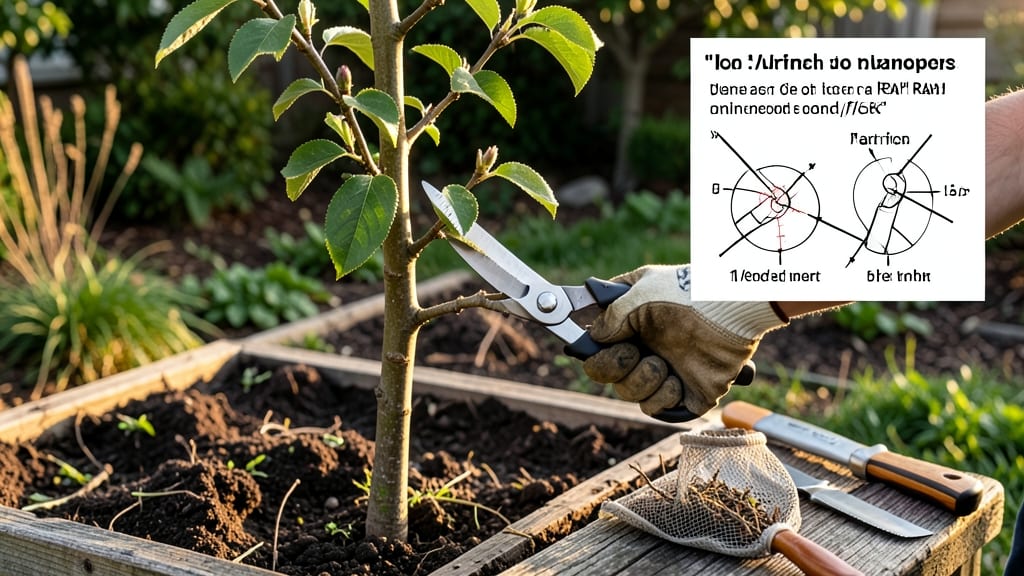
Pruning young fruit trees isn't just about shaping—it's about setting up your tree for a lifetime of strong growth and heavy harvests. ✂️ I learned the hard way that skipping this step leads to weak branches, poor fruit production, and trees that struggle to support their own weight.
The key is making clean cuts at the right time to encourage an open center and sturdy structure. You'll need just three tools: sharp pruning shears for small branches, loppers for thicker stems, and a pruning saw for anything larger than an inch in diameter.
Timing matters too—prune in late winter or early spring before new growth starts, and avoid heavy cuts in fall when diseases spread easily. The goal is to remove dead wood, crossing branches, and any growth that crowds the center.
What you end up with is a tree that grows upright with strong limbs, produces more fruit each year, and resists disease better than neglected trees. By summer, you'll see fresh green leaves filling the canopy where bare spots once were.
The tree becomes easier to manage, and harvests become more reliable. This method works for apples, peaches, cherries, and plums—any tree you're growing from a young age. Once you master the basics, you can adjust for specific varieties and climate zones. Let's get those branches looking like a pro's work.
📚 In This Guide
- What you need
- Instructions
- Tips and common mistakes
- Wrapping up and next steps
What you need
- ● Bypass Pruners: Sharp, high-quality bypass pruners (4-6" blades) for clean cuts on branches up to ½-inch thick. Example: Felco F-2 or Corona Tools.
- ● Loppers: Long-handled loppers (18-24") for branches ¾-inch to 2 inches thick. Look for: Ratcheting or bypass action to avoid crushing wood.
- ● Pruning Saw: A folding pruning saw (8-12" blade) for thicker branches (2+ inches). Tip: Choose a curved blade for smoother cuts.
- ● Gloves: Heavy-duty gardening gloves (leather or reinforced) to protect hands from thorns and rough bark.
- ● Disinfectant: Rubbing alcohol (70%+) or a pruning sealant (like Tanglefoot) to sterilize tools between cuts and prevent disease spread.
- ● Ladder or Step Stool: A stable, non-slip ladder (or a sturdy stool) for reaching higher branches safely.
- ● Twine or Tree Tape: Soft twine or tree tape (1-2" wide) to wrap and protect cuts on larger branches.
- ● Hand Pruners (for precision): Smaller, ergonomic pruners (like Felco F-1) for delicate trimming.
- ● Pole Pruner: Extendable pole pruners (12-16 ft) for tall trees without a ladder.
- ● Sharpener: A file or sharpening stone to keep blades in top condition.
- ○ Pruning Paint: Tree wound paint (optional for large cuts) to reduce risk of infection.
- ● Notebook & Pen: To jot down pruning notes (e.g., branch angles, growth patterns) for future reference.
Step-by-Step instructions for pruning young fruit trees
Here’s how to shape your young trees for strong growth—no guesswork, just clean cuts.
✂️ Step 1: Identify the Central Leader and Main Branches
Start by locating the central leader—the straight, upright stem growing from the top of the tree. This will be your tree’s main trunk. Look for 3-4 strong scaffold branches emerging at wide angles (about 45-60 degrees) from the trunk. These branches form the tree’s framework.
If you see weak, crossing, or inward-growing branches, mark them with a small piece of tape. These are the ones you’ll remove later. The goal is to keep only branches that spread outward and upward—this creates an open center that lets sunlight and air reach the tree’s core.
✂️ Step 2: Remove Dead, Damaged, or Crossing Branches
Use clean, sharp pruning shears to cut away any branches that are dead, diseased, or broken. Make your cut just outside the branch collar—the swollen area where the branch meets the trunk. This ensures the tree can seal the wound properly and prevents rot.
Next, remove any branches that cross or rub against each other. When two branches grow too close, they can damage each other’s bark and create entry points for pests. If you have to choose, keep the branch that’s stronger and more upright. Always cut back to a bud or side branch to encourage new growth.
✂️ Step 3: Thin Out Excess Branches for Airflow
Your young tree should have an open, vase-like shape with space between branches. Remove any suckers—those small, vertical shoots growing from the base or trunk. These drain energy from the tree’s main structure. Cut them off at the base.
For scaffold branches, aim to space them 8-12 inches apart vertically. If branches are too close together, the tree will struggle to produce fruit evenly. Use your shears to trim back any branches that are too dense or competing for space. Remember: less is more—you’re shaping the tree’s future, not just trimming.
✂️ Step 4: Shape the Tree’s Canopy for Balance
Step back and look at the tree’s overall shape. The central leader should be 20-30% taller than the scaffold branches below it. If it’s too short, you can encourage it by pruning back competing branches that might take over.
For side branches, aim to keep them slightly shorter than the ones below—this creates a natural taper. Avoid cutting more than 25% of the tree’s foliage in one session. Over-pruning stresses young trees and can lead to weak growth or disease. If you’re unsure, err on the side of leaving branches in place.
⏰ Step 5: Clean Up and Monitor Growth
After pruning, sterilize your tools with rubbing alcohol to prevent spreading disease. Remove all clippings from the base of the tree—leaving them behind can harbor pests or fungi. Now, keep an eye on the tree’s response over the next 4-6 weeks. You should see new buds forming where you made cuts.
In the following growing season, you’ll adjust based on how the tree fills in. If branches grow too vigorously, prune again in late winter or early spring before buds swell. The key is patience—you’re building a strong structure for years of fruit production.
Tips & tricks for pruning young fruit trees
Here's what nobody tells you about shaping your trees right—the little details that make all the difference between a healthy orchard and a tangled mess.
Branch Angle Matters: In Step 1, when you're identifying those 3-4 scaffold branches, pay close attention to their angles. Branches growing at 45-60 degrees from the trunk are ideal—they create strong crotches that won't split under fruit weight. If you see branches growing inward, mark them immediately. These will rub against each other as they grow, creating wounds that invite disease. The goal is to create a tree that looks like an open vase, not a tangled mess.
Cutting Technique is Everything: When you're making those precise cuts in Step 2, remember this: always cut just outside the branch collar. I learned this the hard way after seeing too many trees develop cankers from improper cuts. The branch collar is that swollen area where the branch meets the trunk—it's nature's way of sealing the wound. If you cut too close to the trunk or leave a stub, you're asking for trouble. And always cut at a 45-degree angle just above an outward-facing bud to encourage healthy regrowth.
Sucker Patrol: Those little shoots growing from the base of your tree? Those are suckers, and they're energy vampires. In Step 3, don't just cut them—remove them completely at the base. If you leave even a small piece, it'll regrow faster than weeds in a garden. I've seen gardeners waste hours pulling back suckers that kept coming back because they didn't remove them completely. Trust me on this—take the time to get them out cleanly.
Seasonal Timing: While the instructions mention late winter/early spring, there's one more optimal time I've found: right after harvest. This gives your tree a chance to heal before winter stresses set in. Just be gentle—you're not doing major structural work at this point, just removing any dead wood or crossing branches that might have developed during the growing season. The key is to work when your tree is dormant but not frozen solid.
Pro Tips for Pruning Young Fruit Trees
- Here's what nobody tells you about shaping your trees right—the little details that make all the difference between a...
- Branch Angle Matters: In Step 1, when you're identifying those 3-4 scaffold branches, pay close attention to their an...
- Cutting Technique is Everything: When you're making those precise cuts in Step 2, remember this: always cut just outs...
Frequently asked questions
Got questions about pruning young fruit trees?
You’re not alone! Whether you’re a first-time gardener or just looking to refine your technique, these answers will help you grow stronger, healthier trees with confidence. Let’s dive in!
When is the best time to prune young fruit trees?
The ideal time depends on your tree type. For most fruit trees (like apples, peaches, or cherries), late winter or early spring—just before buds swell—is best. This promotes vigorous growth. Evergreens (e.g., citrus or figs) can be pruned lightly year-round, but avoid heavy cuts during extreme heat or cold. Always prune after harvest for summer-bearing fruits like blueberries.
How much should I cut off a young fruit tree in its first year?
Keep it minimal! Focus on removing dead, diseased, or crossing branches (about 10-20% of the tree). Your goal is to shape a strong framework—think of it like training a young athlete. Avoid heavy cuts; you’ll refine the structure over 2-3 years. Pro tip: Aim for an open center with well-spaced branches to improve airflow and sunlight.
What if I prune at the wrong time or too aggressively?
No panic! Wrong timing (e.g., late summer) can stress the tree, but it’ll recover. Over-pruning may stunt growth or invite pests. If you’ve already cut too much, water deeply and fertilize lightly to support recovery. For severe cases, prune lightly next season to encourage regrowth. Remember: Young trees bounce back faster than mature ones!
Do I need special tools for pruning young fruit trees?
Not necessarily! Start with sharp bypass pruners for small branches and a hand saw for thicker stems. Disinfect tools with rubbing alcohol between cuts to prevent disease spread. Avoid dull tools—they tear bark, inviting infections. Bonus: A pruning saw or loppers can handle branches up to 2 inches thick.
Can I prune young fruit trees without cutting branches—like thinning leaves?
Thinning leaves (called leaf pruning) isn’t typical for young fruit trees, but you can remove suckers (shoots growing from the base or trunk) or water sprouts (fast-growing vertical shoots). These compete for nutrients. Focus on structural cuts instead—leaves are better left alone unless they’re diseased. For aesthetics, prune branches strategically to shape the tree naturally.
Wrapping up and next steps
Pruning young fruit trees might seem intimidating at first, but with the right tools, techniques, and timing, you’ll set your trees up for a lifetime of healthy growth and bountiful harvests. 🌱 Remember, the key is patience—focus on shaping structure early, and your trees will reward you with stronger branches, better fruit production, and less stress over time.
Now that you’re armed with knowledge, grab those pruners and get started! Your next step? Schedule a pruning session this season—whether it’s winter dormancy or early spring—and watch your orchard thrive. Happy pruning! 🌿