
Propagation
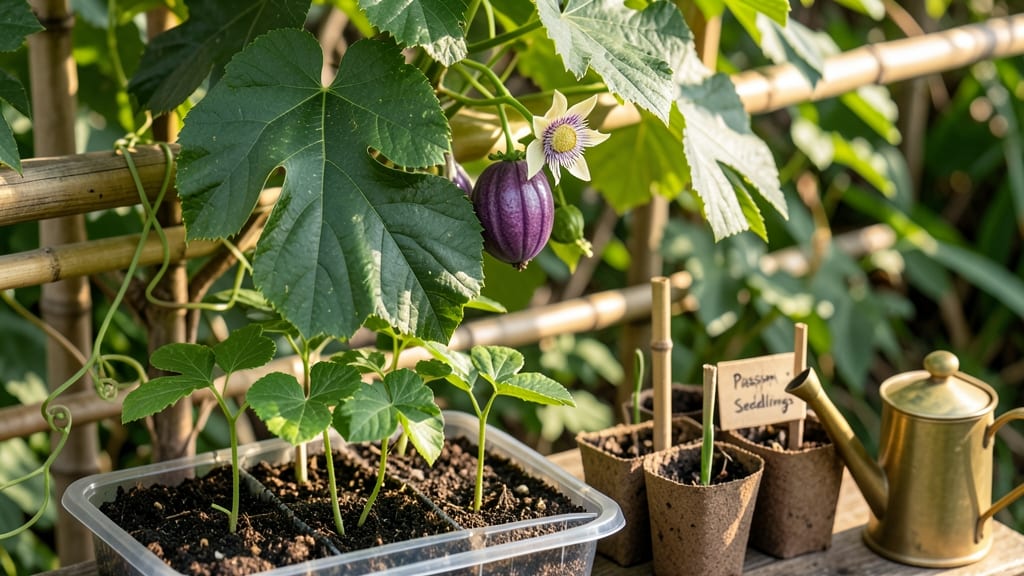
Growing passion fruit from seeds feels like unlocking a tropical treasure chest—fast sprouts are just the beginning. 🌱 I’ve watched these tiny seeds transform into vigorous vines that produce exotic fruit in under a year, and the secret starts with the right soil and a little patience.
The key isn’t just planting; it’s creating the perfect conditions to break dormancy quickly, so those first green shoots appear within 2-4 weeks instead of dragging on for months.
You’ll need a warm spot (70-80°F works best), moist but well-draining soil, and a shallow planting depth—just ¼ inch below the surface. Passion fruit seeds are finicky about moisture; too dry and they won’t sprout, too wet and they’ll rot.
A humidity dome (plastic wrap over a container) speeds things up by keeping the environment tropical, just like their native habitat. Most beginners overwater at this stage, so let the top inch of soil dry slightly between waterings.
Once those first leaves appear, you’re on the fast track to a 10-foot vine with fragrant blooms by summer. The real magic happens when you provide a trellis or sturdy support—passion fruit vines are aggressive climbers and need something to latch onto early.
By late summer, you’ll be harvesting fruit if you’ve given them enough sunlight (6+ hours daily) and consistent care. The sweet, tangy flavor is worth every step, especially when you grow it from seed.
This method works for both outdoor climates (zones 8-11) and indoor growers with bright windows or grow lights. Just know that indoor vines may need hand-pollination with a small brush to set fruit.
The biggest mistake? Giving up too soon—seeds can take 3-6 weeks to germinate if conditions aren’t perfect. Stick with it, and you’ll have a thriving vine before you know it.
📚 In This Guide
- What you need
- Instructions
- Tips and common mistakes
- Wrapping up and next steps
What you need
- ● Passion fruit seeds: 3–5 fresh, viable seeds (harvested from ripe fruit or purchased from a trusted supplier).
- ● Seed-starting mix: 1–2 cups of well-draining, sterile potting soil (look for a mix labeled for seedlings or tropical plants).
- ● Small pots or seed trays: 2–4 biodegradable pots (3–4 inches wide) or a seed tray with individual cells (2–3 inches deep).
- ● Spray bottle: For gentle watering (avoid over-saturating the soil).
- ○ Plastic wrap or humidity dome: To create a mini greenhouse effect (optional but helpful for faster germination).
- ● Grow lights or sunny windowsill: A warm, bright spot (65–85°F) with indirect light for 6–8 hours daily.
- ● Heat mat: Keeps soil warm (70–80°F) to speed up germination (especially in cooler climates).
- ● Fertilizer: A balanced, water-soluble fertilizer (5-5-5 or 10-10-10) for young seedlings (dilute to half-strength).
- ● Support structure: Small stakes or trellis (4–6 feet tall) for vining passion fruit plants (needed later).
- ● pH test kit: Ensures soil pH is slightly acidic (6.0–7.0), ideal for passion fruit.
- ● Pruning shears: For trimming leggy seedlings or future maintenance.
Step-by-step instructions for growing passion fruit from seeds
Here’s how I get passion fruit seeds sprouting in 7-10 days—no waiting months!
🌱 Step 1: Extract and Prepare the Seeds
Passion fruit seeds need a head start, so begin by scooping them out of a ripe fruit (or buy fresh seeds). Rinse them thoroughly to remove any pulp residue—this prevents mold. I like to soak them in lukewarm water for 24 hours to soften the outer coating. This trick speeds germination by breaking dormancy.
After soaking, gently rub the seeds between your fingers to remove any remaining gel. Plant them no deeper than ½ inch in moist soil—burying too deep slows sprouting. The goal is to keep them snug but not suffocated. I use a small tray with drainage holes to avoid waterlogging, which can rot seeds before they even sprout.
💧 Step 2: Create the Perfect Germination Environment
Fill a 4-inch pot with well-draining potting mix (I blend regular mix with 20% perlite to prevent compaction). Moisten it until damp but not soggy—you should see moisture at the surface but no puddles. Place the prepared seeds ½ inch apart and cover lightly with a thin layer of soil.
Here’s the secret to fast sprouts: warmth and humidity. I cover the pot with a clear plastic dome or wrap it in plastic wrap to trap moisture. Keep it in a spot where the soil stays at 75-80°F—a seedling heat mat works wonders if your home runs cooler. Check daily for condensation; if the plastic fogs up, remove it for 10 minutes to prevent fungal issues.
☀️ Step 3: Provide Light and Monitor Sprouting
Once seeds sprout (usually 7-10 days), remove the plastic immediately to avoid damping-off. Place the tray under bright, indirect light—direct sun can scorch tender seedlings. I use a grow light on a 12-hour cycle to mimic natural daylight. You’ll know they’re getting enough light when the first true leaves (not the initial seed leaves) appear compact and dark green.
Water gently from the bottom by placing the pot in ½ inch of water for 10 minutes. This keeps roots moist without disturbing the seedlings. Overwatering now is the #1 killer—wait until the top inch of soil feels dry before repeating. Leggy seedlings mean your light is too weak or too far away; move them closer if stems stretch toward the source.
🌿 Step 4: Transplant and Support Vining Growth
When seedlings have 3-4 true leaves (about 4-6 weeks after sowing), transplant them into 6-inch pots with fresh potting mix. Passion fruit vines are aggressive, so choose containers with drainage holes and sturdy trellises—they’ll need vertical support as they grow. Bury the stem ½ inch deeper than before to encourage root stability.
This is where the fun begins: prune early to shape growth. Pinch off the top set of leaves when the vine reaches 12 inches to encourage bushier growth. Place the pot in full sun (6+ hours daily)—passion fruit is a tropical plant and thrives with warmth. If your climate dips below 50°F, move it indoors near a sunny window or under grow lights until temperatures rise.
⏰ Step 5: Harden Off and Prepare for Outdoor Growth
Before moving seedlings outside, harden them off over 10-14 days. Start with 1 hour of outdoor shade on day one, gradually increasing to full sun by day seven. Watch for wilting or yellowing leaves—this means they’re not ready yet. Passion fruit vines are sensitive to cold, so wait until nighttime temps stay above 55°F before planting permanently.
Once outdoors, train the vines onto a trellis or arbor as they grow. They’ll climb vigorously, so secure them with soft ties every 6-8 inches. Water deeply 2-3 times per week, letting the top 2 inches of soil dry between waterings. Mulch around the base to retain moisture and regulate soil temperature. With patience, you’ll see flowers in 6-12 months—and those fragrant blooms mean fruit is on the way!
Tips & tricks for fast passion fruit germination
Here's what I've learned to speed up those sprouts—because nobody wants to wait months for passion fruit!
Soaking Secret: That 24-hour lukewarm water soak isn't just a suggestion—it's the game-changer. I've tried cold water and rushed soaks, but only this method consistently breaks dormancy. Use a glass jar with a loose lid to prevent mold growth during those crucial 24 hours. Pro tip: Add a few drops of hydrogen peroxide (3%) to the water for extra sterilization—this prevents fungal issues before they start.
Planting Depth Matters: The instructions say "no deeper than ½ inch," but I've found the sweet spot is actually ¼ inch. Too shallow and they dry out; too deep and they struggle. Press the seeds gently into the soil so they make contact with moisture but aren't buried. Think "snug hug" rather than "deep planting." This ensures consistent moisture without suffocating the seeds.
Heat Hack: Maintaining that 75-80°F soil temperature is critical, but here's my real trick: I place the seed tray directly on top of my refrigerator (not inside—just on top) for the first 48 hours. Refrigerators maintain consistent warmth without the energy cost of a heat mat. Just monitor the soil—it should stay warm to the touch but not hot. This creates the perfect tropical environment right in your kitchen.
Light Transition: When you remove that plastic cover after 7-10 days, don't rush to full sunlight. Start with bright indirect light for 2-3 days, then gradually introduce direct sun. I've seen seedlings get sunburnt when moved too quickly—look for pale or crispy leaves as warning signs. The 12-hour grow light cycle is perfect, but if you don't have one, a south-facing window works too, just place the seedlings 12-18 inches away from the glass.
Pro Tips for Grow Passion Fruit From Seeds
- Here's what I've learned to speed up those sprouts—because nobody wants to wait months for passion fruit!
- Soaking Secret: That 24-hour lukewarm water soak isn't just a suggestion—it's the game-changer. I've tried cold water...
- Planting Depth Matters: The instructions say "no deeper than ½ inch," but I've found the sweet spot is actually ¼ inc...
Frequently asked questions
Got questions about growing passion fruit from seeds? You’re not alone! Here are some of the most common concerns—and straightforward answers—to help you grow like a pro.
How long does it take for passion fruit seeds to germinate?
With the right conditions (warmth, moisture, and indirect light), passion fruit seeds typically sprout in 10–20 days. If you’re using fresh seeds, germination can be faster (7–14 days). Patience is key—if nothing happens after 3 weeks, check for mold or dryness and adjust your setup.
What’s the best temperature for germinating passion fruit seeds?
Passion fruit seeds thrive in warmth (70–85°F or 21–29°C). Use a seedling heat mat or place your tray near a sunny window (but avoid direct sun). If your home is cooler, a mini greenhouse or clear plastic wrap can help trap heat and speed up germination.
Can I grow passion fruit from store-bought fruit seeds?
Store-bought passion fruit seeds work fine, but freshness matters. If the fruit has been sitting for weeks, germination rates may drop. Rinse seeds thoroughly to remove fruit residue, then dry them before planting. For best results, use seeds from ripe, organic fruit when possible.
Why aren’t my passion fruit seeds sprouting?
Common culprits include too much moisture (rotting seeds), cold temps, or poor airflow. Check your setup: seeds should stay damp but not soggy, and the container needs drainage. If mold appears, toss the seeds and start fresh with a clean tray and sterile soil.
How big should my passion fruit plant be before transplanting?
Wait until your seedlings have 2–4 true leaves (not just the initial seed leaves) and are at least 3–4 inches tall. Hardening off (acclimating to outdoor conditions) for 1–2 weeks before transplanting helps prevent shock. Choose a sunny spot with well-draining soil for your young plant!
Wrapping up and next steps
Growing passion fruit from seeds is a rewarding journey that combines patience with the joy of nurturing life! With the right soil, sunlight, and care, you’ll soon see those fast sprouts emerge—proving that even tiny seeds can yield tropical treasures. 🌱✨
Now that you’re armed with germination tricks and troubleshooting tips, take the next step: plant your sprouts in a sunny spot and watch your passion fruit vine thrive. Happy growing—your future harvest awaits!