
Pruning
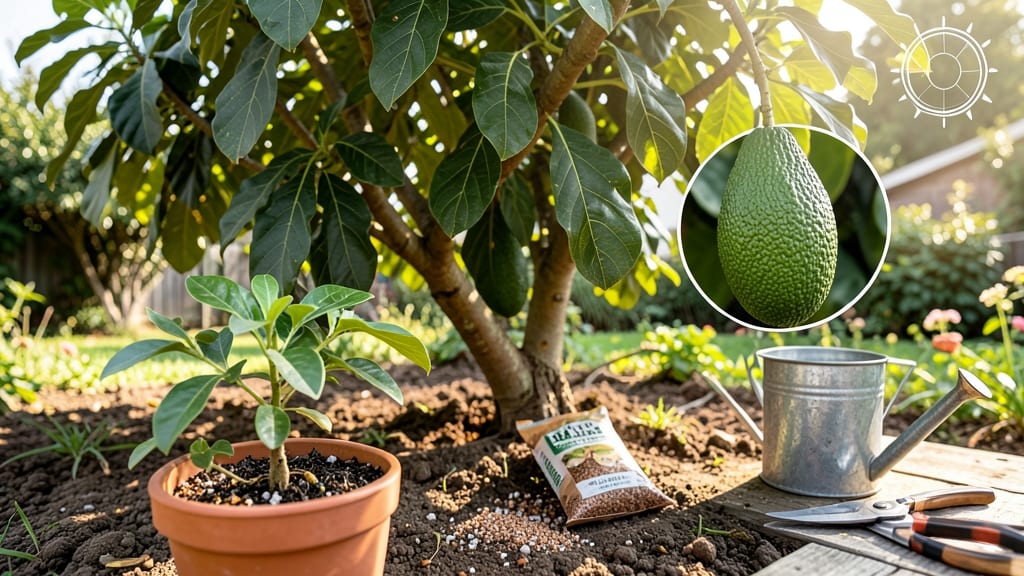
Making your avocado tree bear fruit isn't about magic—it's about patience, precise pruning, and understanding what your tree actually needs. 🌱 I've watched my own avocado tree go from a bare branch to a fruit-laden beauty by following a few key rules, and I'm sharing exactly how to do it right.
The biggest mistake gardeners make is treating avocado trees like other fruit trees. They need year-round care, not just spring pruning. You'll focus on shaping the canopy, encouraging new growth, and creating the perfect conditions for flowers to appear—because those flowers are the first step to fruit.
Most trees need 3-5 years before they bear, but with the right approach, you can cut that time in half. What you'll end up with is a tree that produces dozens of fruit per season—if you're lucky, even on your first try.
The secret isn't complicated: it's about light, water, and knowing when to prune. I'll walk you through the exact technique that works for both indoor and outdoor trees, no matter your climate. Between you and me, the hardest part isn't the pruning—it's waiting.
But once those first flowers appear, you'll know every snip was worth it. Let's get started with the tools and timing that make the difference.
📚 In This Guide
- What you need
- Instructions
- Tips and common mistakes
- Wrapping up and next steps
What you need
- ● Avocado tree (Persea americana) – Choose a variety suited to your climate (e.g., Hass, Fuerte, or Bacon for most U.S. zones). Note: Young trees (1–3 years old) may need extra care to encourage flowering.
- ● Well-draining soil mix – Combine 60% potting soil, 20% perlite or sand, and 20% compost for optimal drainage. Pro tip: Avocados hate soggy roots!
- ● Pruning tools: Sharp bypass pruners (for small branches, ¼"–½" cuts)
- ● Pruning saw (for thick branches, 1"–2" diameter)
- ● Disinfectant (70% isopropyl alcohol or bleach solution) to sterilize tools between cuts.
- ● Fertilizer: Balanced NPK (10-10-10) – Apply every 6–8 weeks during growing season (spring–fall).
- ● Citrus/avocado-specific fertilizer (high in zinc and magnesium) – Use 2–3 times per year.
- ● Mulch – 2–3 inches of wood chips or straw to retain moisture and regulate soil temp.
- ○ Support stakes or trellis (optional) – For young trees or windy areas.
- ● Sunlight – 6+ hours of direct sun daily (partial shade in hot climates).
- ● Temperature – Ideal range: 60–85°F (15–30°C). Pro tip: Avocados cannot tolerate frost!
- ● Water – Deep watering 2–3 times per week (adjust for rain/climate). Warning: Overwatering = root rot.
- ● Container growers – Use a minimum 15–20 gallon pot with drainage holes.
- ● Growth regulator (e.g., Paclobutrazol) – Apply once in early spring to encourage flowering in mature trees.
- ● Pollination aid – A small paintbrush to manually pollinate flowers if bees are scarce.
- ● Soil pH tester – Avocados thrive in slightly acidic soil (pH 6.0–7.0).
- ● Tree wrap or frost cloth – For young trees in cooler zones.
How to encourage fruit production in your avocado tree
Pruning isn't just about shaping—it's the secret to triggering heavy harvests. Here's how to coax fruit from your tree year-round.
🌿 Step 1: Understand the Two Key Pruning Seasons
Avocados fruit best when they experience two distinct pruning phases: a light pruning in late winter (just as new growth begins) and a heavier pruning in early summer (after the first flush of flowers). The winter trim removes dead wood and opens the canopy to sunlight, while summer pruning redirects energy toward fruit production instead of leaf growth.
I always prune on a dry, overcast morning—this reduces stress on the tree and prevents sunburn on exposed branches. Use sharp, sterilized pruners to make clean cuts just outside the branch collar. Avoid leaving stubs; they invite disease and weaken the tree's structure.
✂️ Step 2: Remove Suckers and Water Sprouts
Suckers are those fast-growing shoots that pop up at the base of the tree or along the trunk. While they might look vigorous, they drain energy from fruit production. Snip them off at the base with clean pruners, but leave the first 2-3 inches of trunk exposed—this prevents girdling if new suckers emerge later.
Water sprouts (thin, vertical shoots growing from the main branches) also need to go. These compete with fruit-bearing branches for nutrients. Cut them back to a lateral bud or side branch. You'll know you're doing it right when you see more sunlight reaching the inner canopy—this is when the tree starts focusing energy on flower production.
☀️ Step 3: Thin the Canopy for Better Airflow
Avocado trees need airflow to prevent fungal diseases like root rot and anthracnose, which can kill fruit before it ripens. Aim to remove 20-30% of the tree's foliage by selectively pruning inward-growing branches and crossing limbs. Start at the bottom and work your way up, removing any branches that rub against each other.
Here's the thing—you want to create a vase-like shape. This allows sunlight to penetrate to the center of the tree, where most fruit develops. After pruning, step back and visualize the tree from all sides. You should see an open, balanced silhouette with no dense clusters of leaves blocking light.
🌱 Step 4: Prune for Flower Production Triggers
Avocados flower in response to specific environmental cues, and pruning helps control these triggers. In early summer, focus on removing any new growth longer than 6 inches—this signals the tree to shift from vegetative growth to reproductive mode. Cut these shoots back to a lateral bud or side branch.
Pay special attention to the tips of branches. If you see a cluster of small, tight leaves with no flower buds, prune just above the last set of mature leaves. This forces the tree to redirect energy toward flowering. Within 4-6 weeks, you should see small flower buds forming at the branch tips—this is your reward for pruning correctly.
⏰ Step 5: Post-Pruning Care for Fruit Development
After pruning, the tree will need extra care to support fruit production. Water deeply once a week (or more in hot climates) to encourage root growth, which fuels the tree's energy reserves. Avoid fertilizing immediately after pruning—wait 4-6 weeks to allow the cuts to heal before applying a balanced, citrus-friendly fertilizer.
Watch for new growth in the pruned areas. If you see vigorous shoots emerging from old wood, let them grow for 8-12 weeks before pruning again. These shoots are often more fruitful than new growth from the tips. And here's a pro tip: hand-pollinate flowers in the morning by gently shaking branches to release pollen—this doubles your chances of fruit set.
Tips & tricks for encouraging avocado fruit production
These little adjustments make all the difference between a tree full of leaves and one loaded with fruit.
Timing is Everything: The late winter light pruning (just as new growth begins) is your chance to clean house—remove dead branches and any growth that's competing with fruit production. I can't stress enough how important it is to do this before the tree puts energy into new leaves. Think of it like spring cleaning for your tree: out with the old, in with the potential for fruit. The early summer heavier pruning is where the magic happens—this is when you're telling the tree, "Hey, it's time to focus on flowers, not leaves."
Tool Prep Matters: Before you even touch your tree, sterilize your pruners with rubbing alcohol. I've seen too many gardeners skip this step and end up with infected cuts that take forever to heal. Also, make sure your blades are sharp—dull pruners crush stems instead of making clean cuts, which stresses the tree. I keep a small file in my toolbox specifically for this purpose. And remember, always cut just outside the branch collar where the branch meets the trunk—this prevents unsightly stubs that can rot.
Visual Cues for Success: After your summer pruning, you should see sunlight hitting the center of the tree where most fruit develops. If you're still seeing dense clusters of leaves blocking light, you haven't thinned enough. Here's what to look for: when you step back and visualize your tree from all sides, you should see an open, vase-like shape. This isn't just about looks—it's about creating the perfect environment for fruit production. The more light that reaches the center, the more flowers you'll get, and the more fruit you'll harvest.
Post-Pruning Care: The 4-6 week wait before fertilizing is crucial—it gives your tree time to heal and prevents burning new growth. I've made the mistake of fertilizing too soon, and it always leads to weaker fruit production down the line. During this time, focus on deep watering once a week. You'll know you're doing it right when you see new growth emerging from old wood after about 8-12 weeks. These shoots are often the most fruitful, so let them grow before considering another prune.
Pro Tips for Make Avocado Tree Bear Fruit
- These little adjustments make all the difference between a tree full of leaves and one loaded with fruit.
- Timing is Everything: The late winter light pruning (just as new growth begins) is your chance to clean house—remove ...
- Tool Prep Matters: Before you even touch your tree, sterilize your pruners with rubbing alcohol. I've seen too many g...
Frequently asked questions
Got questions about growing a fruitful avocado tree? You’re not alone—here are the answers to the most common queries from gardeners just like you!
How long does it take for an avocado tree to bear fruit?
A young avocado tree typically takes 3 to 5 years to bear fruit, depending on the variety and growing conditions. Dwarf varieties may fruit sooner (2–3 years), while standard trees can take longer. Patience is key—consistent pruning, proper care, and warm climates speed up the process!
Can I grow an avocado tree indoors and still get fruit?
While avocado trees can grow indoors, fruiting is rare unless you live in a USDA Zone 10–11 climate. Indoor trees thrive as houseplants but need 12+ hours of sunlight daily and occasional outdoor exposure. For fruit, outdoor planting in a warm, frost-free zone is best!
Why isn’t my avocado tree producing fruit?
Common culprits include inadequate sunlight (avocados need full sun!), poor pollination (hand-pollinate with a brush if needed), over-pruning (leave enough foliage for energy), or nutrient deficiencies (fertilize with citrus-specific blend). Check for pests/diseases too!
What’s the best time of year to prune for fruit production?
Prune late winter or early spring (before new growth) to shape the tree and encourage flowering. Avoid heavy pruning in summer or fall, as this can stress the tree. Light trimming to remove dead wood or overgrowth can happen year-round, but major pruning should align with dormancy.
Can I grow an avocado tree in a pot and expect fruit?
Yes, but with limitations! Potted avocados can fruit if given large containers (20+ gallons), well-draining soil, and regular outdoor sunlight. However, fruit production is less reliable than in-ground trees. Move pots outside in warm months and protect from frost—container size matters!
Wrapping up and next steps
Growing a fruitful avocado tree is all about patience, consistency, and a little know-how! 🌱 By mastering year-round pruning, providing the right care, and troubleshooting common issues, you’re well on your way to a bountiful harvest.
Remember, every trim and adjustment brings your tree closer to those creamy, delicious avocados.
Now that you’re armed with the knowledge, roll up your sleeves and start pruning—your future harvest (and your future guacamole) will thank you! 🥑✨ For extra guidance, revisit our FAQ section or explore advanced techniques to fine-tune your tree’s growth.