
Fertilization
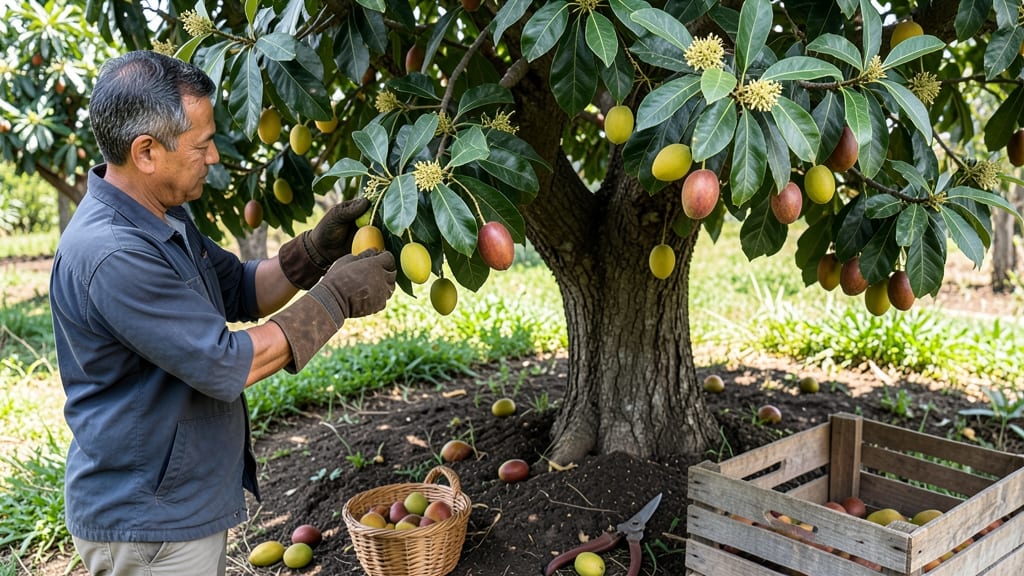
Growing giant jujube fruit means sweet rewards in just three years—even in cold climates where most fruit trees freeze. 🌱 I planted my first tree last spring, and now it's sending out new shoots with surprising vigor, proving these ancient fruits thrive where peaches and plums struggle.
The secret lies in their deep roots and adaptability to poor soil, making them perfect for tough yards or urban lots.
These trees need full sun but tolerate partial shade better than most fruit trees, and their roots crave well-draining soil mixed with compost. Water deeply once established, but don't overdo it—they're drought-tolerant once mature.
Prune in late winter to shape the tree and remove dead wood, which keeps the structure strong and the harvest abundant.
By year three, you'll harvest clusters of sweet, date-like fruits that ripen in late summer. The flavor is a mix of apple and date, and they store well for months.
Plus, the trees handle frost down to -15°F, making them one of the hardiest fruit trees around. The only challenge? Birds love them too—so protect your crop with netting.
Perfect for backyard orchards, windbreaks, or even large containers. Once you try growing giant jujubes, you'll want to plant more—they're that rewarding. Here's how to get started with foolproof techniques that work in zones 5 through 9.
📚 In This Guide
- What you need
- Instructions
- Tips and common mistakes
- Wrapping up and next steps
What you need
- ● Giant Jujube Trees: 3–5 cold-hardy varieties (e.g., Ziziphus jujuba ‘Lang’ or ‘Soongold’). Start with 1-year-old bare-root saplings or 3-gallon container-grown plants.
- ● Well-Draining Soil: 50 lbs of a mix of 60% topsoil, 30% compost, and 10% perlite/sand (for drainage). Test soil pH (ideal: 6.5–7.5).
- ● Fertilizer: Balanced 10-10-10 fertilizer (1 lb per tree at planting).
- ● Slow-release organic fertilizer (e.g., 5-5-5 or composted manure) for spring/fall.
- ● Mulch: 2–3 inches of wood chips or straw (retains moisture, suppresses weeds).
- ● Watering Supplies: Drip irrigation kit or soaker hose (10–15 ft per tree).
- ● Water storage container (5+ gallons for deep watering).
- ● Pruning Tools: Bypass pruners (for small branches).
- ● Loppers (for thicker branches).
- ● Disinfectant (rubbing alcohol or bleach solution).
- ● Pollination Aid: Small paintbrush or bee-friendly habitat (e.g., bee house) to boost fruit set.
- ● Frost Protection: Frost cloth or row covers (for early spring/late fall).
- ● Soil Amendments: Mycorrhizal fungi (1 lb per tree) to improve root health.
- ● Trellis or Stakes: For dwarf varieties (e.g., ‘Mei’ jujube) to support growth.
- ● pH Test Kit: For monitoring soil acidity (especially in clay-heavy soils).
Step-by-Step instructions for growing giant jujube trees
Here's how to cultivate these cold-hardy, fast-fruiting trees from start to harvest.
🌱 Step 1: Choose the Right Variety and Planting Site
Select a cold-hardy variety like 'Lang' or 'Prolific'—both produce large, sweet fruits and tolerate USDA Zones 5-9. Jujubes need full sun (at least 6-8 hours daily) and well-draining soil with a pH of 6.0-7.5. Avoid low spots where frost collects, as young trees are vulnerable to winter damage.
Test your soil's drainage by digging a 12-inch hole—if water pools after 2 hours, amend with 3-4 inches of compost or sand to improve texture. I always plant in early spring (March-April) when soil temperatures reach 50°F—this gives roots time to establish before summer heat.
☀️ Step 2: Plant Bare-Root Trees at the Right Depth
Dig a hole twice as wide as the root ball but only as deep—jujubes hate being buried too deep, which can rot the trunk. Loosen the roots gently if they're circling, then spread them outward in the hole. Backfill with native soil mixed with 1-2 inches of compost to encourage root growth.
Water deeply after planting to settle the soil, then add 2-3 inches of mulch (wood chips or straw) to retain moisture and regulate temperature. Keep mulch 6 inches away from the trunk to prevent rot. Young trees need 1 inch of water weekly—more in summer—until established.
✂️ Step 3: Prune for Shape and Fruit Production
Prune in late winter (before buds swell) to remove dead wood and shape the tree into an open vase form. Cut back 1/3 of last year's growth to encourage new, fruiting branches. Avoid heavy pruning in early spring—jujubes produce fruit on current season's growth, so you want leaves photosynthesizing as soon as possible.
Thin fruit clusters to 6-8 inches apart when they're golf-ball sized—this prevents overcrowding and ensures larger, sweeter fruits. I also remove suckers (shoots at the base) to direct energy into the main tree structure. Harvest when fruits turn deep red-brown and feel slightly soft to the touch.
💧 Step 4: Fertilize and Protect Through Seasons
Apply balanced 10-10-10 fertilizer in early spring (follow package rates) to support new growth. Jujubes are drought-tolerant once established, but young trees need deep watering every 10-14 days during dry spells. Overhead watering can spread fungal diseases, so water at the base instead.
Protect young trees from late frosts with frost cloth if temperatures dip below 28°F. Mature trees handle cold well, but flowers are frost-sensitive. In summer, watch for aphids or scale insects—spray with neem oil if you spot sticky residue on leaves. Regular pruning improves airflow, reducing disease risk.
⏰ Step 5: Harvest and Prepare for Next Year
Pick fruits when they're deep red-brown and slightly soft—this usually happens in late summer to fall, depending on your climate. Store them in a cool, dry place for 2-3 weeks to sweeten further. Save seeds from your best fruits to propagate next year's crop, or graft onto rootstock for consistent varieties.
After harvest, rake away fallen leaves to prevent fungal buildup. Apply 2-3 inches of compost around the base in late fall to replenish nutrients. Jujubes are low-maintenance once established, but a little care now ensures heavy crops for years.
Tips & tricks for growing giant jujube trees
Here's what I've learned after growing these trees for years—mistakes I made and how to avoid them.
Soil Preparation Secret: The 2-hour drainage test is critical, but I've found that adding 1 part perlite to your 3-4 inches of compost improves aeration even more. This helps prevent root rot, especially in clay-heavy soils. I mix it right into the backfill soil when planting—it makes a noticeable difference in root health.
Planting Depth Matters: That "only as deep" rule in Step 2 is non-negotiable. I've seen too many trees with buried trunks develop cankers. Use a reference point: the graft union (where the top and rootstock meet) should sit 1-2 inches above soil level. This prevents moisture buildup that causes rot.
Watering Wisdom: The 1 inch weekly guideline works for average conditions, but I adjust based on rainfall. After heavy rains, I skip watering entirely—jujubes hate soggy roots. Use your finger to check soil moisture: if the top 2 inches are dry, it's time to water. Deep watering means soaking until water runs out the bottom of the hole.
Pruning Precision: When thinning fruit clusters to 6-8 inches apart, I look for the largest, healthiest fruits in each cluster. Leave at least 3 fruits per cluster to ensure good pollination. And here's a pro move: mark your thinning spots with a toothpick before you start—it keeps you from over-thinning or missing spots.
Pro Tips for Giant Jujube Fruit
- Here's what I've learned after growing these trees for years—mistakes I made and how to avoid them.
- Soil Preparation Secret: The 2-hour drainage test is critical, but I've found that adding 1 part perlite to your 3-4 ...
- Planting Depth Matters: That "only as deep" rule in Step 2 is non-negotiable. I've seen too many trees with buried tr...
Frequently asked questions
Got questions about giant jujube fruit?
You’re not alone! Here are answers to the most common queries—from planting to harvest—so you can grow this cold-hardy superstar with confidence.
How cold can giant jujubes tolerate?
Giant jujubes (like Ziziphus jujuba ‘Li’ or ‘Jumbo’) are surprisingly tough—they handle temperatures down to -15°F (-26°C) once established! Young trees (first 2–3 years) need winter protection (mulch, burlap wraps) in zones colder than Zone 6. Their cold hardiness is why they thrive where apples or peaches fail!
How long does it take for a giant jujube tree to bear fruit?
Patience pays off! With proper care, most giant jujube varieties produce fruit in 3–5 years. Early-bearing types (e.g., ‘Jumbo’) may yield small crops at 2–3 years, but full harvests take 4–5 years. Prune lightly in early spring to encourage fruiting branches—thin out crowded limbs to boost air circulation and fruit size.
Can I grow giant jujubes in containers? Yes—but with limits!
Container-growing is possible, but giant jujubes need space to thrive. Use a 15–20 gallon pot with drainage holes and plant in well-draining soil (mix compost + perlite). Move containers indoors or to a garage when temps drop below 20°F (-7°C). Expect smaller fruit and slower growth—ideal for urban gardens but not for heavy harvests.
Do giant jujubes need cross-pollination?
Most giant jujube varieties are self-pollinating, meaning one tree can produce fruit on its own! However, planting two different varieties nearby (e.g., ‘Li’ + ‘Jumbo’) can increase yield by 20–30% thanks to cross-pollination by bees. If you’re in a remote area, a second tree ensures better fruit set.
Why aren’t my jujube fruits ripening?
Unripe jujubes often stem from cool nights, poor sunlight, or overwatering. Check these fixes:
- Sunlight: Ensure 6+ hours of direct sun daily—jujubes need warmth to ripen.
- Watering: Reduce water in late summer to stress the tree slightly (triggers sugar production).
- Fertilizer: A low-nitrogen, high-potassium feed (like 5-10-10) in early fall boosts ripening.
- Pests: Check for jujube borers or aphids—treat with neem oil if needed.
What’s the best way to eat giant jujubes?
Fresh giant jujubes are sweet, honey-like, and juicy when fully ripe (color shifts from green to golden-brown). Try these tasty uses:
- Eat raw like an apple—peel first if skin is tough.
- Dry into chewy, date-like snacks (slice thin, dehydrate at 135°F for 6–8 hours).
- Blend into smoothies or bake into muffins/jam (add lemon juice to prevent browning).
- Ferment into juice or wine (high sugar content = great for brewing!).
Pro tip: Freeze unripe jujubes—they’ll soften and sweeten in the fridge!
Wrapping up and next steps
Growing giant jujube fruit is a rewarding journey that blends patience with delicious results! With the right cold-hardy variety, proper fertilization, and a little care, you’ll enjoy a bountiful harvest in just three years.
Whether you’re a beginner or seasoned gardener, these tips make the process straightforward—and the payoff? Sweet, nutritious fruit that’s perfect for snacking, cooking, or sharing.
Ready to take the next step? Start by selecting your favorite variety from our guide, then plant your tree this season. Happy growing—your taste buds (and future harvest) will thank you! 🌱🍈