
Trees
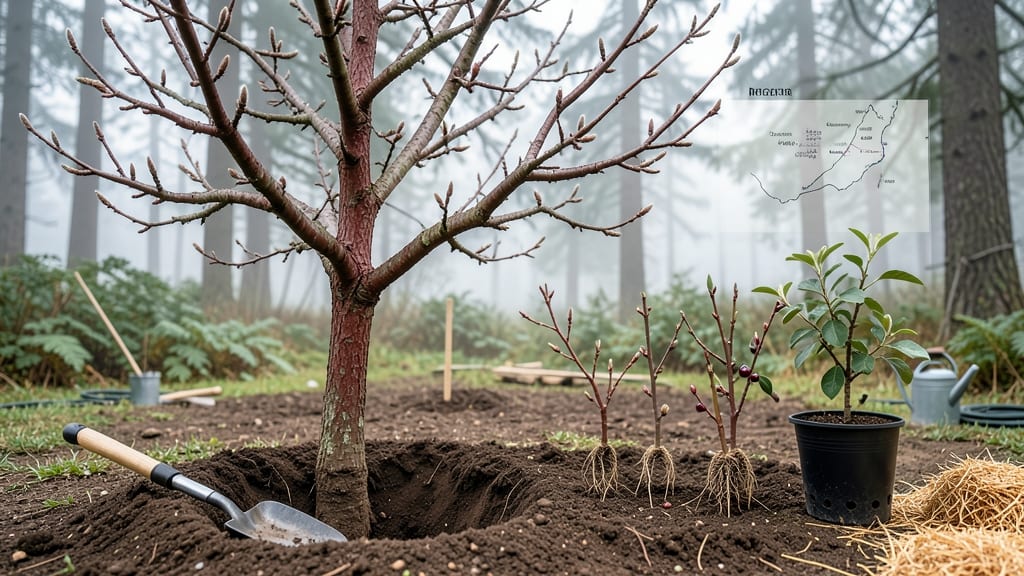
To plant fruit trees in Oregon at the best time means choosing between late winter and early spring or fall, when soil temperatures and frost risks align just right for your zone.
Timing is everything in fruit tree success—plant too early or too late in Oregon’s diverse climate zones, and your young trees could struggle to establish roots before winter’s harsh winds or summer’s scorching heat. Get it right, though, and you’ll enjoy bountiful harvests for decades.
Oregon’s USDA zones range from 5b-7a in the east to 7b-9a in the west, meaning your ideal window shifts from March-April in the Willamette Valley to late April-May in the high desert. Fall planting (September-October) works too, but only if the ground stays workable.
Below, I break down the exact months for bare-root vs. container-grown 🍎🍑🍒 trees, how to prep your soil, and the critical mistakes that derail even the best-laid plans—so you can plant with confidence and watch your trees thrive.
Oregon’s climate zones and ideal planting months for fruit trees
Oregon’s climate ranges from USDA Zone 5b in the high desert to Zone 9a along the coast, creating unique challenges for fruit tree growers. Each zone has distinct planting windows—whether you’re working with bare-root trees or container-grown varieties.
Understanding these differences ensures your trees establish strong roots before extreme weather hits.
For Western Oregon (Zones 7b-8a), the mild winters and wet springs favor early spring planting (March-April) for bare-root trees, while container-grown trees can go in until late fall.
In Eastern Oregon (Zones 5b-7a), where winters are colder, fall planting (October-November) gives roots time to settle before freezing temperatures arrive.
Soil temperature is critical—roots won’t grow well below 40°F. In colder zones, wait until the ground thaws, while coastal areas can plant earlier due to slower temperature shifts. Always check your last frost date (March 15 in Western OR, May 1 in Eastern OR) to avoid frost damage to tender new growth.
| USDA Zone | Best Planting Window | Bare-Root Trees | Container-Grown Trees | Key Consideration |
|---|---|---|---|---|
| 5b-6a (Eastern OR) | Late September-October | October-November | September-October | Cold winters; mulch heavily |
| 6b-7a (Central OR) | March-April or September-October | March-April | March-April or September | Moderate climate; both windows work |
| 7b-8a (Western OR) | March-April or November | March-April | March-April or November | Mild winters; late fall possible |
| 8b-9a (Coastal OR) | February-March or November | February-March | February-March or November | Wet winters; avoid waterlogged soil |
In Zone 5b-6a (like Bend or La Grande), prioritize fall planting—bare-root trees need time to establish roots before freezing temperatures. Use 5-6 inches of mulch to insulate roots. For container-grown trees, plant in September to avoid transplant shock before winter.
Central Oregon’s Zones 6b-7a offer flexibility. Bare-root trees thrive when planted in March-April, while container-grown varieties can handle fall planting. Water deeply after planting to encourage root growth, especially if spring rains are delayed.
Western Oregon’s milder climate (Zones 7b-8a) allows for late fall planting (November) if soil isn’t frozen. However, avoid planting when soil temperatures drop below 40°F, as roots become dormant.
Coastal areas (Zones 8b-9a) can plant as early as February, but watch for wet soil conditions that can suffocate roots.
For bare-root trees, always plant before bud break (typically late winter). Soak roots for 4-6 hours before planting to rehydrate them. Container-grown trees, however, can be planted year-round (except frozen ground), making them ideal for fall planting in colder zones.
Pro tip: Amend your planting hole with compost or well-rotted manure to improve drainage, especially in clay-heavy soils common in Eastern Oregon. Stake young trees to prevent wind damage, a common issue in Oregon’s exposed high-desert and coastal areas.
After planting, water deeply (15-30 gallons per tree) and apply 2-3 inches of mulch to retain moisture. In Zone 5b-6a, add extra mulch in late fall to protect roots from freeze-thaw cycles.
Monitor for pests like codling moths (common in apple orchards) and disease pressure in humid coastal zones.
Timing your fruit tree planting to Oregon’s microclimates ensures healthier
Best fruit tree varieties for Oregon and their perfect planting times
Oregon’s diverse microclimates make selecting the right fruit tree varieties and planting them at the perfect time critical. From the cool coastal regions to the warmer Willamette Valley and high-desert areas, each zone demands a tailored approach.
Stone fruits like peaches and cherries thrive when planted in late winter dormancy, while ever-bearing berries can handle fall planting. Let’s dive into the top 10 fruit trees that flourish in Oregon and their ideal planting schedules.
For bare-root trees, the best time is late winter to early spring (February–April), when the ground is workable but buds haven’t swollen.
This timing ensures roots establish before summer heat. Container-grown trees, however, offer more flexibility—plant them in early fall (September–October) or late spring (April–May)—just avoid extreme heat or frost. Ever-bearing berries, like raspberries and blackberries, can even be planted in late summer (August) for a fall harvest the following year.
🌱 Numbered Highlights: Oregon Fruit Tree Planting Guide
- 🍎 Apples (e.g., 'Gala', 'Fuji') – Plant in late winter (Feb–March) for USDA Zones 6-8. Dwarf varieties adapt well to containers.
- 🍒 Cherries (Sweet & Tart, e.g., 'Stella', 'Montmorency') – Best planted in early spring (March–April); avoid late fall planting in Zone 7+.
- 🍑 Peaches & Nectarines (e.g., 'Redhaven', 'Fantasia') – Late winter dormancy (Feb) is key; Zone 6-8 only. Prune dormant branches before planting.
- 🍐 Pears (e.g., 'Bartlett', 'Anjou') – Plant in early spring (March–April) or fall (Sept–Oct) in cooler zones (5-7).
- 🍑 Plums (e.g., 'Santa Rosa', 'Methley') – Late winter (Feb) for bare-root; fall planting works in Zone 8+.
- 🍈 Figs (e.g., 'Desert King', 'Chicago Hardy') – Plant in early spring (April) or fall (Sept); Zone 7-9 only. Mulch heavily in winter.
- 🍓 Raspberries & Blackberries (Ever-bearing) – Late summer (Aug) for fall harvest next year; Zone 5-9.
- 🫐 Blueberries (e.g., 'Duke', 'Jersey') – Plant in early spring (March–April); amend soil with peat moss for acidic conditions.
- < Strawberries (June-bearing) – Early fall (Sept–Oct) for spring harvest; Zone 5-9.
- 🍇 Grapes (e.g., 'Concord', 'Thompson Seedless') – Plant in early spring (March–April); trellis support is essential.
🌿 Pro Tip: Always check local frost dates—Western Oregon’s last frost is March 15, while Eastern Oregon waits until May 1.
Stone fruits like peaches and cherries are particularly sensitive to late frosts, so planting them in late winter (February) ensures they’ve established roots before buds break.
In contrast, apples and pears are more forgiving and can handle fall planting in September, especially in cooler coastal zones (Zone 7-8). For ever-bearing berries, like raspberries, planting in late summer (August) gives roots time to settle before winter dormancy.
If you’re growing figs or grapes, prioritize well-draining soil and full sun exposure—both thrive in Oregon’s Zone 8-9 areas. Figs, in particular, benefit from winter mulching to protect roots from freeze-thaw cycles.
Meanwhile, blueberries need acidic soil (pH 4.5-5.5), so amend your soil with sulfur or peat moss before planting in early spring.
For container gardening, dwarf varieties like 'Columnar Apples' or 'Patio Peaches' are perfect for small spaces. Plant these in late spring (May) after the last frost, using a high-quality potting mix with good drainage.
Remember, container trees dry out faster, so monitor soil moisture closely during Oregon’s summer droughts.
No matter which fruit tree variety you choose, proper planting timing is the foundation of a healthy, productive tree. Follow these guidelines, and you’ll be enjoying homegrown fruit for years to come—whether it’s juicy peaches in July or tart cherries in June.