
Size
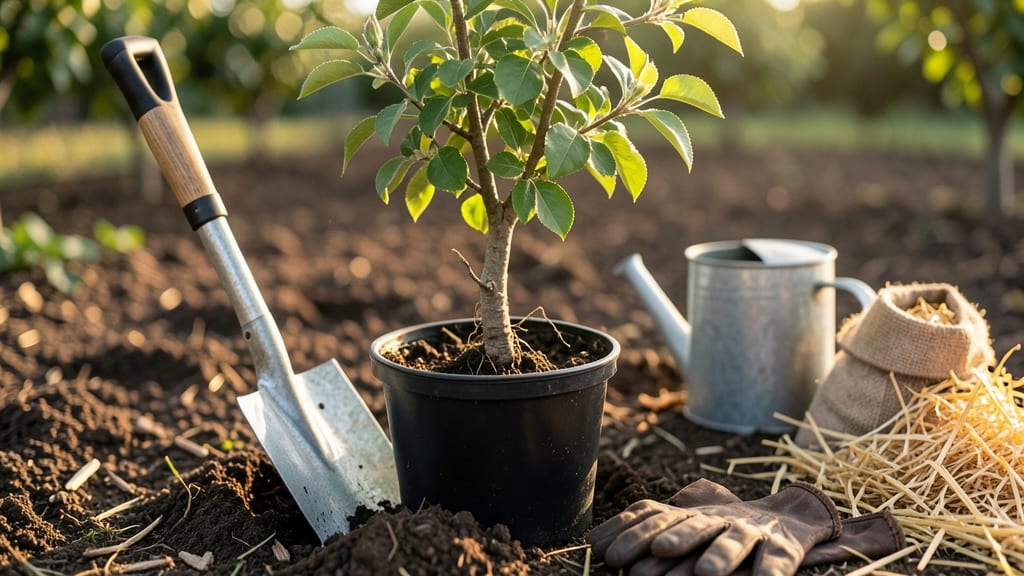
Growing fruit trees from scratch isn't just possible—it's the secret to backyard harvests that make neighbors jealous. 🌳 I've turned my small yard into a mini orchard, and the key isn't fancy equipment but understanding how trees naturally grow.
The first step is choosing the right spot: six hours of sunlight, well-drained soil, and protection from strong winds. My peach tree thrives where my apple tree struggles, proving location matters more than most guides admit.
You'll need basic tools—a shovel, pruners, and mulch—but the real magic happens in the soil prep. Amend heavy clay or sandy soil with compost before planting, and test your pH. Most fruit trees prefer slightly acidic soil (6.0-6.5), though citrus likes it a bit sweeter.
I learned this the hard way when my initial lemon tree struggled until I adjusted the soil chemistry. The planting hole should be twice as wide as the root ball but no deeper.
Once planted, consistent watering and annual pruning keep trees productive for decades. Young trees need deep watering twice a week, while established trees handle drought better. Prune in late winter to remove dead wood and shape the tree—just don't overdo it.
My first-year mistake of aggressive pruning nearly killed my plum tree, but now I follow the "open center" method for better airflow and fruit production. The payoff comes in summer when branches bend under the weight of ripe fruit.
Seasonal care makes all the difference. Fertilize in early spring with citrus-specific blend (for citrus) or balanced 10-10-10 for other trees, and watch for pests like aphids or scale. Organic sprays work wonders if caught early.
With patience, your trees will reward you with harvests that last from summer through fall—and maybe even winter with the right varieties. The journey starts with that first shovel of soil.
📚 In This Guide
- What you need
- Instructions
- Tips and common mistakes
- Wrapping up and next steps
What you need
- ● Fruit Tree Variety: 1-3 young trees (choose disease-resistant varieties like Honeycrisp apples, Valencia oranges, or Jersey Knight cherries for beginners).
- ● Bare-root, container-grown, or potted saplings (check local nursery availability).
- ● Planting Supplies: High-quality organic compost or well-aged manure (5-10 gallons per tree).
- ● Slow-release fruit tree fertilizer (10-20-10 NPK ratio, 1-2 lbs per tree).
- ● Mulch (wood chips, straw, or pine bark, 2-3 inches thick, 3-4 feet in diameter around the base).
- ● Tools: Shovel or spade (for digging planting holes).
- ● Pruning shears or lopers (for shaping and trimming).
- ● Garden gloves (to protect your hands from thorns and soil).
- ● Watering can or hose with a gentle spray nozzle (for deep watering).
- ● Measuring tape (to ensure proper spacing between trees).
- ● Tree stakes and ties (for young, unstable trees in windy areas).
- ● Drip irrigation system (for consistent watering, especially in dry climates).
- ● Fruit tree spray (organic copper fungicide or neem oil to prevent pests/diseases).
- ● Soil pH test kit (to ensure your soil is ideal for your fruit tree’s needs, typically 6.0-7.0).
- ● Bird netting (to protect ripe fruit from hungry birds!).
- ● A sunny location with 6-8+ hours of direct sunlight daily (most fruit trees thrive in full sun!).
- ● Well-draining soil (amend clay soil with compost or sand if needed).
- ● Proper spacing: Small trees (e.g., dwarf apples, peaches): 8-12 feet apart.
- ● Standard trees (e.g., full-size apples, pears): 15-25 feet apart.
- ● Access to water (a reliable source for regular deep watering).
Step-by-step guide to planting and caring for fruit trees
Here’s how to get your fruit trees off to the strongest start—so they’ll bear fruit for years.
🌱 Step 1: Choose the Right Variety and Planting Location
Select a fruit tree suited to your USDA hardiness zone and climate. For example, apple and pear trees thrive in zones 4-8, while citrus needs zones 9-11. Look for disease-resistant varieties if your area has common pests like apple scab or peach leaf curl.
Pick a sunny spot with at least 6-8 hours of direct sunlight daily. Avoid low areas where cold air settles—fruit trees need good airflow and drainage. If planting in containers, choose a dwarf variety and ensure the pot is at least 18 inches deep and wide to accommodate root growth.
🪴 Step 2: Prepare the Soil and Plant at the Correct Depth
Test your soil’s pH (most fruit trees prefer 6.0-7.0). Amend heavy clay or sandy soil with 2-3 inches of compost mixed into the top 12 inches of soil. Avoid fresh manure—it can burn roots and attract pests.
Dig a hole twice as wide as the root ball but no deeper. Place the tree so the graft union (the swollen area on the trunk) sits 2-4 inches above soil level. This prevents the union from being buried, which can cause rot. Backfill with native soil, tamping gently to remove air pockets.
☀️ Step 3: Water Deeply and Mulch to Retain Moisture
Water the tree deeply right after planting—soak the soil until it’s 6-8 inches wet. Use a drip irrigation system or soaker hose to avoid wetting the foliage, which can spread disease. After watering, apply 2-3 inches of organic mulch (like wood chips or straw) around the base, keeping it 6 inches away from the trunk to prevent rot.
Water once a week for the first month, then every 10-14 days once established, adjusting for rainfall. Overwatering is worse than underwatering—let the top 2 inches of soil dry out between waterings. You’ll know it’s time when the mulch looks slightly dry on top.
✂️ Step 4: Prune for Structure and Airflow in Early Spring
Prune young trees in late winter or early spring before buds swell. Remove dead, crossing, or inward-growing branches first. Then, cut back any limbs that rub against each other to prevent wounds. Aim for an open-center shape (for apples, pears) or central leader (for citrus, avocados).
Never remove more than 25% of the tree’s foliage in one season—this stresses the plant. Use clean, sharp pruners and seal larger cuts (over ½ inch thick) with pruning sealant to prevent disease entry. You’ll see new growth within 2-3 weeks if pruning was successful.
🍎 Step 5: Fertilize and Monitor for Pests/Diseases Year-Round
Apply a balanced, slow-release fertilizer (like 10-10-10) in early spring and again in mid-summer, following package rates. Avoid high-nitrogen fertilizers in fall—they encourage tender new growth that won’t survive winter. For container-grown trees, fertilize every 4-6 weeks during growing season.
Inspect leaves and fruit weekly for signs of pests (aphids, mites) or diseases (powdery mildew, rust). Spray with neem oil or horticultural oil at the first sign of trouble. Most fruit trees are self-pollinating, but planting two compatible varieties nearby ensures better fruit set. Thin fruit when small (leave 6-8 inches between apples, 4-6 inches for peaches) to improve size and quality.
Tips & tricks for thriving fruit trees
These simple strategies will help you avoid common pitfalls and give your fruit trees the best chance to flourish.
Location is Everything: When selecting your planting spot, pay special attention to microclimates in your yard. South-facing slopes get more sun and warmth, which is ideal for most fruit trees. If your yard has cold pockets where frost lingers, avoid planting there—even if it meets the basic sunlight requirements. I've seen trees planted in what seemed like perfect spots only to struggle because of these hidden cold spots.
Soil Test First: Before amending your soil, get a proper soil test from your local extension office. Many gardeners assume their soil needs compost when it might actually need lime to raise the pH or sulfur to lower it. I once spent months trying to grow peach trees in soil that tested at 5.2 when they needed 6.0-7.0—they just wouldn't thrive until I adjusted it. The test costs about $20 and can save you years of frustration.
Mulch Matters: That 2-3 inches of organic mulch isn't just for looks—it creates a perfect environment for roots. The mulch should extend out to the drip line (the edge of the tree's canopy) as the tree matures. I recommend using wood chips because they break down slowly and improve soil structure over time. Just remember to keep it 6 inches away from the trunk to prevent rot.
Pruning Precision: When pruning in late winter, make your cuts just outside the branch collar—the swollen area where the branch meets the trunk. This ensures proper healing and prevents unsightly stubs. I always sterilize my pruners with rubbing alcohol between cuts to prevent spreading disease. And remember, those 2-3 weeks for new growth to appear? That's your confirmation the tree is healthy and ready for spring.
Pro Tips for Grow Fruit Trees
- These simple strategies will help you avoid common pitfalls and give your fruit trees the best chance to flourish.
- Location is Everything: When selecting your planting spot, pay special attention to microclimates in your yard. South...
- Soil Test First: Before amending your soil, get a proper soil test from your local extension office. Many gardeners a...
Frequently asked questions
Got questions about growing your own fruit trees? You’re not alone—let’s tackle the most common ones to set you up for success!
How long does it take for a fruit tree to bear fruit?
Most fruit trees take 3 to 5 years to produce fruit, depending on the variety and growing conditions. Dwarf varieties may fruit faster (2–3 years), while standard trees can take longer. Patience pays off—consistent care speeds up the process!
Can fruit trees survive winter?
Yes! Many fruit trees (like apples, pears, and cherries) are hardy perennials and survive winter with proper care. Young trees need extra mulch and protection from harsh winds. Evergreens (e.g., citrus) may need indoor overwintering in colder climates.
What’s the best fruit tree for small spaces?
Dwarf varieties (e.g., Columnar apples, Patio peaches, or Bush citrus) are perfect for small yards or containers. They grow 6–10 feet tall and produce abundant fruit without taking up much room. Just ensure they get 6+ hours of sunlight daily.
How do I keep pests and diseases away from my fruit tree?
Prevention is key! Use organic sprays (neem oil, copper fungicide), prune for airflow, and remove fallen fruit. Watch for common pests like aphids or borers—early intervention (handpicking, beneficial insects) saves your harvest.
Can I grow a fruit tree from a store-bought fruit?
Technically yes, but it’s not recommended for reliable fruit production. Store-bought fruit is often treated or hybridized, leading to weak seedlings. Instead, buy certified disease-free nursery trees for better success and consistent yields.
Wrapping up and next steps
Growing your own fruit trees is a rewarding journey that combines patience, care, and a touch of nature’s magic. 🌱 Whether you’re nurturing a citrus grove, a berry bush, or an apple orchard, the key lies in choosing the right variety, providing proper care, and staying consistent.
With the right knowledge and a little effort, you’ll soon enjoy the sweet taste of homegrown fruit—fresh from your backyard!
Ready to take the next step? Start small with one or two trees, experiment with different varieties, and watch your garden transform. Happy planting—your future harvest is waiting! 🍎🍊