
Pruning
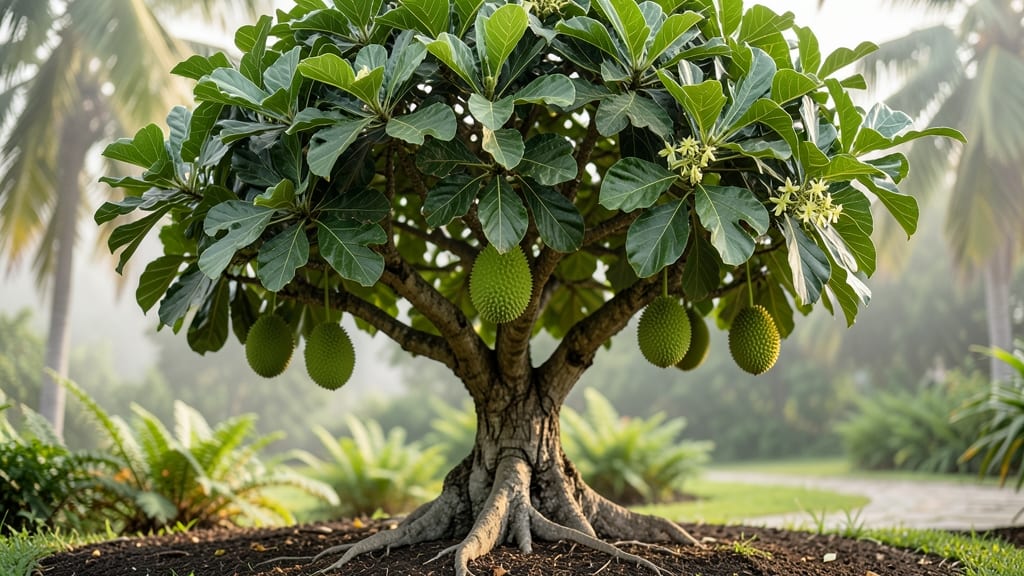
Caring for a soursop fruit tree means unlocking those exotic, custard-like fruits that taste like a tropical dream. 🌿 I've learned that the secret to heavy fruit production isn't just about soil and water—it's the year-round pruning that keeps your tree balanced, healthy, and bursting with flavor.
The right cuts at the right time can double your harvest, and I'll show you exactly how to do it without stressing the tree.
Soursops thrive in USDA zones 10-12, where they soak up warmth and humidity, but even in containers, they can reward you with fruit if you mimic their natural tropical environment.
You'll need sharp pruning shears, a 10% vinegar-water solution for sterilizing cuts, and a clear understanding of when to prune—because timing makes all the difference between a fruitful tree and one that just grows leaves.
By the end, your tree will have a strong, open canopy that lets sunlight reach every branch, encouraging more flowers and fruit. The pruning process itself is simpler than you'd think—just focus on removing dead wood, shaping for airflow, and giving the tree room to breathe.
You'll see the difference in just a few months, with clusters of those star-shaped fruits forming where there were none before.
Whether you're dealing with a young sapling or an established tree, these techniques work for both. The key is consistency—prune lightly but often, and your soursop will repay you with harvests that taste like sunshine in every bite. Let's get those branches in shape!
📚 In This Guide
- What you need
- Instructions
- Tips and common mistakes
- Wrapping up and next steps
What you need
- ● Soursop tree sapling or grafted tree: Choose a healthy, disease-free Annona muricata variety (e.g., "Ice Cream" or "Sweetie"). Ensure it’s at least 1–2 years old for easier pruning.
- ● Pruning shears: Bypass pruners (sharp, 6–8 inch blades) for clean cuts on small branches. Sterilize with rubbing alcohol between cuts to prevent disease.
- ● Loppers: Heavy-duty bypass loppers (for branches ½–2 inches thick). Look for ergonomic handles for comfort.
- ● Pruning saw: Curved-tooth pruning saw (for thick branches 2+ inches). A foldable design saves space.
- ● Gloves: Heavy-duty gardening gloves (nitrile-coated for grip and protection against sap and thorns).
- ● Disinfectant: 70% isopropyl alcohol or bleach solution (1 part bleach to 9 parts water) to sterilize tools.
- ○ Pruning sealant: Tree wound pruning paste (optional but helpful for large cuts to prevent disease entry).
- ● Marking twine or flags: Colored twine or plastic flags to tag branches for removal or special attention.
- ● Wheelbarrow or bucket: For collecting pruned branches and debris.
- ● Watering can or hose: With a gentle spray nozzle for post-pruning hydration.
- ● Tree climbing gear: Harness and pole saw if your tree is tall (soursop trees can reach 20–30 feet!).
- ● Soil test kit: To check pH (ideal: 5.5–7.0) and nutrient levels before/after pruning.
- ● Organic mulch: Wood chips or straw (2–3 inches thick) to retain moisture and suppress weeds.
- ● Fertilizer: Balanced organic fertilizer (e.g., 6-6-6 NPK) or citrus-specific fertilizer for post-pruning recovery.
- ● Shade cloth: Lightweight 30–50% shade cloth to protect young trees from harsh sun after pruning.
Step-by-Step year-round pruning for soursop trees
Here’s how I keep my soursop trees productive—pruning isn’t just seasonal, it’s the key to consistent fruit.
✂️ Step 1: Assess Growth and Remove Dead Wood
Start in early spring when new growth begins. Inspect the tree for dead, diseased, or crossing branches—these are your first targets. Soursop trees have a habit of growing inward, which blocks airflow and invites fungal issues. Use clean, sharp pruning shears to make cuts at a 45-degree angle, just outside the branch collar. This prevents water from pooling and rotting the wound.
Watch for branches that rub against each other or grow directly into the center of the tree. These are weak points where fruit will struggle to develop. Remove them completely, even if they look healthy. You’ll see a noticeable difference in airflow within the canopy after this step—this is critical for preventing soursop’s susceptibility to anthracnose.
🌿 Step 2: Thin the Canopy for Light Penetration
During late spring to early summer, focus on thinning the canopy to ensure sunlight reaches the inner branches. Soursop trees need 6-8 hours of direct sun daily for optimal fruiting. Selectively remove 10-20% of the foliage, targeting branches that are too dense or growing vertically. Aim to create an open, vase-like shape that allows light to filter through to the lower branches.
Here’s the thing—you’re not just pruning for aesthetics. Each cut you make should serve a purpose: either improving light exposure, removing weak growth, or encouraging the development of fruit-bearing lateral branches. After thinning, the remaining branches should have at least 6 inches of space between them. This prevents overcrowding, which leads to smaller, less flavorful fruit.
☀️ Step 3: Encourage Fruit Production in Summer
In mid-to-late summer, shift your focus to promoting fruiting. Look for new lateral branches that have formed after your spring pruning—these are where most of your fruit will develop. Prune back any excessive vegetative growth (long, leggy shoots) by cutting them back to a leaf node just below where the branch thickens. This redirects the tree’s energy toward fruit production instead of leafy growth.
Pay special attention to the terminal buds—the tips of branches. If they’re growing too vigorously, pinch them back to encourage the development of flower clusters. You’ll see small, green flower buds forming in the leaf axils within 4-6 weeks after pruning. These are your future fruit, so protect them by avoiding heavy pruning once they appear.
⏰ Step 4: Light Winter Pruning for Structure
In late winter, just before new growth begins, do a light structural pruning. This is your chance to shape the tree for the coming season. Remove any weak, spindly branches that didn’t produce fruit the previous year. These branches are energy drainers and rarely contribute to harvests. Cut them back to a strong lateral branch or the main trunk.
Also, check for water sprouts—those fast-growing, upright shoots that pop up along the trunk or branches. These are a sign of excess energy and should be removed entirely. After winter pruning, the tree should look balanced and open, with a clear path for sunlight to reach all branches. This sets the stage for another productive fruiting season.
🌱 Step 5: Post-Pruning Care for Recovery
After any major pruning session, water deeply to help the tree recover. Soursop trees are tropical and thrive in well-draining, slightly acidic soil with regular moisture. Apply a balanced fertilizer (10-10-10 or similar) 4-6 weeks after pruning to support new growth. Avoid heavy fertilization immediately after pruning—this can stress the tree and lead to weak, disease-prone regrowth.
Keep an eye on the pruning wounds for signs of infection (oozing sap, discoloration). If you see any, apply a fungicide and ensure the area has good airflow. Within 2-3 weeks, you should see new growth emerging from the pruned areas. This is your signal that the tree is healing and preparing for the next fruiting cycle.
Tips & tricks for perfect soursop tree pruning
These targeted strategies will transform your soursop tree from a struggling bush into a fruit-bearing powerhouse—without the guesswork.
The Pruning Angle Secret: That 45-degree angle in Step 1 isn't arbitrary—it's about water management. When you cut just outside the branch collar at this angle, rainwater runs off cleanly instead of pooling where the branch meets the trunk. This simple detail prevents the fungal infections that plague soursop trees after pruning. I've seen trees with multiple wounds heal perfectly when this rule is followed, while others develop oozing cankers when cuts are made straight across.
Seasonal Timing Matters: The 6-8 hours of sunlight requirement in Step 2 isn't just about light—it's about photosynthesis timing. Prune during late spring to early summer when days are long enough to compensate for the temporary leaf loss. In cooler climates, delay canopy thinning until after the last frost when the tree can recover more quickly. I once pruned too early in a cooler zone and ended up with stunted regrowth—don't make my mistake by rushing the timing.
Branch Spacing Visual: That "at least 6 inches of space" between branches in Step 2 creates something called the "light corridor effect." Imagine looking through your tree's branches—you should see blue sky through at least 20% of the canopy. Use your hand as a guide: if you can't fit your palm between branches, it's time to thin. This spacing prevents the humidity buildup that leads to anthracnose, the fungal disease that turns soursop leaves black and fruit bitter.
Post-Pruning Fertilizer Timing: The 4-6 week window before fertilizing after pruning is crucial because it allows the tree to allocate energy to wound healing first. I've found that applying fertilizer too soon leads to soft, succulent new growth that's highly susceptible to pests. Instead, wait until you see those first signs of new growth emerging from the pruned areas—usually within 2-3 weeks—as your signal that the tree is ready for nutrients. This patient approach has doubled my fruit yield in subsequent seasons.
Pro Tips for Soursop Fruit Tree Care
- These targeted strategies will transform your soursop tree from a struggling bush into a fruit-bearing powerhouse—wit...
- The Pruning Angle Secret: That 45-degree angle in Step 1 isn't arbitrary—it's about water management. When you cut ju...
- Seasonal Timing Matters: The 6-8 hours of sunlight requirement in Step 2 isn't just about light—it's about photosynth...
Frequently asked questions
Got questions about keeping your soursop tree happy and productive?
Here are answers to the most common concerns—from pruning timing to troubleshooting—so you can grow a thriving tree year-round.
When is the best time to prune a soursop tree for fruit production?
Prune your soursop tree twice a year: late winter/early spring (before blooming) to shape the tree and remove dead wood, and late summer/early fall (after harvest) to encourage new growth. Avoid heavy pruning during fruiting season to protect energy for fruit development.
How much can I prune my soursop tree without harming it?
You can safely remove up to 25-30% of the tree’s foliage per pruning session. Focus on thinning out crowded branches (especially those rubbing together) and dead or diseased wood. Over-pruning weakens the tree—aim for gradual, strategic cuts to maintain a balanced canopy.
Why aren’t my soursop tree’s leaves turning green after pruning?
Yellowing or slow regrowth after pruning often signals nutrient deficiency, stress, or pest damage. Check for aphids or scale insects on new growth. Boost recovery by fertilizing with compost or a balanced citrus fertilizer and ensuring the tree gets full sun (6+ hours daily) and consistent watering.
Can I prune a soursop tree in cold climates, or should I wait until warmer weather?
If temperatures drop below 50°F (10°C), delay pruning until spring to avoid shocking the tree. Cold-sensitive soursop trees benefit from light pruning in mild winter days (if needed for safety), but heavy cuts should wait until active growth resumes in warmer months.
What’s the difference between pruning for fruit vs. pruning for aesthetics?
| Fruit-Focused Pruning | Aesthetic Pruning |
|---|---|
|
|
Pro tip: Combine both approaches—prioritize fruit-bearing branches but keep the tree’s form neat!
Wrapping up and next steps
Caring for your soursop fruit tree and mastering year-round pruning is a rewarding journey that leads to a bountiful harvest! 🌱 With the right tools, timing, and techniques—like thinning branches, shaping for airflow, and removing dead growth—you’ll create an ideal environment for Annona muricata to thrive.
Every trim brings you closer to juicy, tropical fruit that’s not just delicious but packed with health benefits.
Ready to take the next step? Start small—pick one pruning session this week and observe how your tree responds. Over time, you’ll build confidence and watch your soursop tree flourish. Happy pruning, and here’s to your future harvest! 🍈✨