
Fertilization
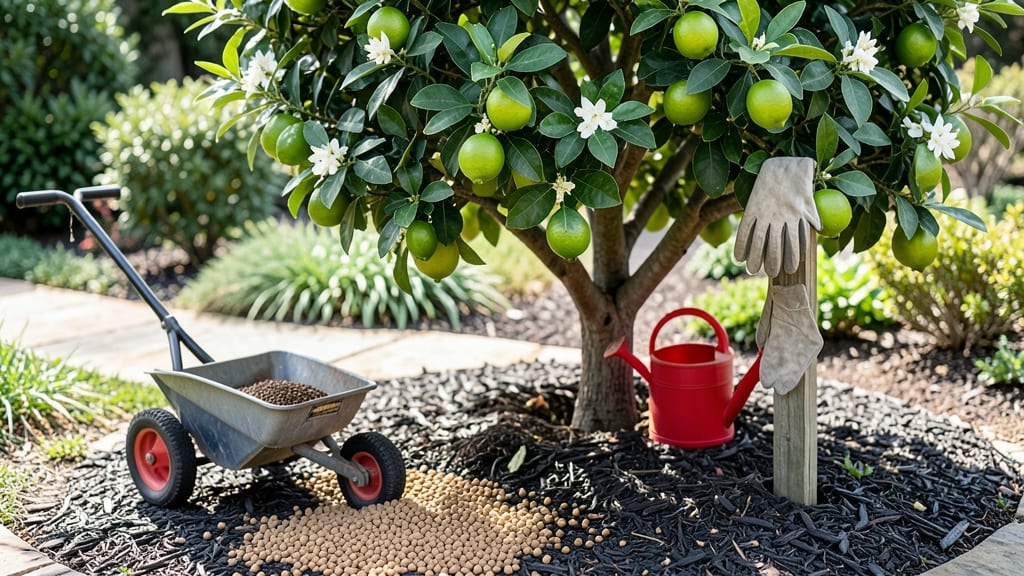
Your fruit trees aren’t just plants—they’re the secret to homemade jam, fresh cider, and summer picnics. 🌳 The right fertilizers turn good harvests into explosive ones, but most gardeners overdo it or pick the wrong stuff.
I’ve wasted years on trial and error, and now I’m sharing the exact schedule and blends that work for apples, peaches, and citrus without burning roots or wasting money.
Start with a soil test—that’s the non-negotiable first step. Most fruit trees need balanced NPK (nitrogen, phosphorus, potassium) with extra micronutrients like zinc and iron, but citrus hates too much nitrogen. Organic options like composted manure or fish emulsion work wonders, while synthetic granules give precise control.
The key? Timing—spring and early summer feedings build fruit, but fall fertilizing can encourage late-season growth that won’t harden off before frost.
You’ll see the difference in one season: thicker canopies, bigger blossoms, and fruit that actually ripens instead of dropping early. My peach tree went from 20 pounds of fruit to over 100 after switching to a slow-release organic blend.
The trick is consistency—don’t skip the micronutrients, and never fertilize after mid-summer unless you’re in a warm climate.
Adapt this for dwarf trees, container citrus, or heavy clay soil by adjusting quantities and watering routines. Over-fertilizing? Yellow leaves or leaf burn are your warning signs. Let’s get those trees producing like they’re in an orchard—not just surviving in your backyard.
📚 In This Guide
- What you need
- Instructions
- Tips and common mistakes
- Wrapping up and next steps
What you need
- ● Balanced Fertilizer (10-10-10 or 20-20-20): 1–2 lbs per tree (spring/early summer)
- ● Citrus-Specific Fertilizer (for citrus trees): 1 lb per tree (spring/fall)
- ● Organic Compost: 2–3 gallons per tree (spring/fall)
- ● Slow-Release Fertilizer (e.g., Osmocote): 1 lb per tree (spring)
- ● Epsom Salt (Magnesium Sulfate): 1 tbsp per gallon of water (for deficiency fixes)
- ● pH Test Kit: 1 (to check soil acidity, ideal range: 6.0–7.0)
- ● Lime (if soil is acidic): 1–2 lbs per 100 sq ft (adjust based on pH test)
- ● Watering Can or Hose: 1 (with a gentle spray nozzle)
- ● Garden Gloves: 1 pair (for protection)
- ● Hand Trowel or Spade: 1 (for soil mixing)
- ● Measuring Cup/Scoop: 1 (for precise fertilizer dosing)
- ○ Pruners (optional): 1 (for trimming dead branches post-fertilizing)
- ● Mulch (straw, wood chips): 2–3 inches per tree (to retain moisture)
- ● Fish Emulsion or Seaweed Extract: 1–2 tbsp per gallon (foliar spray for extra nutrients)
- ● Micronutrient Mix (Iron, Zinc, Manganese): 1 packet (for deficiency-prone trees)
- ● Soil Moisture Meter: 1 (to monitor hydration levels)
- ● Compost Tea: 1 gallon (homemade or store-bought for microbial boost)
Step-by-Step guide to seasonal fertilizing for fruit trees
Here’s how I keep my fruit trees thriving—no guesswork, just science-backed timing and feeding.
🌱 Step 1: Apply Early Spring Fertilizer for New Growth
Once buds swell but before leaves emerge—usually 4-6 weeks before last frost—spread a balanced fertilizer (10-10-10 or 12-12-12) around the tree’s drip line. This kickstarts root and shoot growth after winter dormancy. I use ½ pound per inch of trunk diameter, working it into the top 4-6 inches of soil.
Water deeply after application to activate nutrients. You’ll see new leaves appear within 2-3 weeks—that’s your signal the fertilizer worked. Avoid high-nitrogen fertilizers now; they encourage leafy growth at the expense of fruit production.
🌿 Step 2: Switch to Fruit-Specific Fertilizer in Late Spring
When flowers bloom or fruit sets, switch to a low-nitrogen, high-phosphorus fertilizer (like 5-10-10 or 6-12-12) to support flowering and fruit development. Apply this 6-8 weeks after blooming, when fruit is pea-sized. Spread evenly under the canopy and water immediately.
Watch for fruit thinning if you see excessive blossoms—this means the tree’s energy is split. A light pruning of overcrowded branches now helps direct nutrients to remaining fruit. Avoid fertilizing again until harvest.
☀️ Step 3: Provide Summer Maintenance with Organic Matter
Mid-summer (60-90 days after flowering) is the time for organic matter, not synthetic fertilizers. Spread 2-3 inches of compost or well-rotted manure over the root zone and water thoroughly. This replenishes soil microbes without burning roots.
You’ll notice stronger stems and glossier leaves by late summer—this means the tree is storing nutrients for next year’s harvest. Avoid heavy fertilizing now; it encourages late-season growth that won’t harden off before winter.
⏰ Step 4: Apply Fall Fertilizer for Winter Readiness
In late fall (8-10 weeks before first frost), apply a potassium-rich fertilizer (like 0-0-50 or 5-5-10) to strengthen cell walls and improve cold hardiness. Work it into the soil up to 6 inches deep and water deeply.
This step is critical for trees in colder climates. You won’t see immediate growth, but the roots will be packed with reserves for spring. Avoid fertilizing after 60 days before first frost—new growth won’t harden off in time.
✂️ Step 5: Monitor and Adjust Yearly
Every spring, assess your tree’s health: yellow leaves mean nitrogen deficiency; small fruit means phosphorus needs. Adjust next year’s fertilizer blend accordingly. For example, if leaves are pale green, increase nitrogen slightly (10-15% more) in early spring.
Real talk: Over-fertilizing is worse than under-fertilizing. If you see leaf burn or stunted growth, flush the soil with extra water to leach excess salts. A soil test every 2-3 years ensures you’re feeding—not overfeeding—your trees.
Tips & tricks for seasonal fruit tree fertilizing
Mastering the timing and technique of fruit tree fertilization transforms a good harvest into an exceptional one.
Seasonal Timing is Everything: The 4-6 week window before last frost in Step 1 is critical because it aligns with the tree's natural dormancy break. Use a garden thermometer to track soil temperatures—ideal planting soil should be at least 60°F. This ensures roots can absorb nutrients immediately as buds swell. I've seen trees miss their growth window entirely when fertilized too early, so don't rush this step.
Fertilizer Application Technique: When applying the ½ pound per inch of trunk diameter in Step 1, use a rake to create gentle furrows in the soil. This allows nutrients to penetrate deeper without damaging roots. For larger trees (over 6 inches in diameter), split the application into two zones—inner and outer drip lines—to ensure even distribution. The key is working the fertilizer into the top 4-6 inches, not just scattering it on the surface.
Organic Matter Integration: In Step 3's summer maintenance, I recommend mixing compost with the top 2-3 inches of soil rather than just spreading it on top. This creates a nutrient-rich layer that roots can access immediately. For trees with heavy clay soil, add a 1-inch layer of coarse sand mixed with compost to improve drainage while maintaining fertility. The goal is to mimic natural leaf litter decomposition that would occur in a forest ecosystem.
Frost Timing Awareness: The 8-10 week window before first frost in Step 4 requires local knowledge. Check your USDA hardiness zone map and consult your local cooperative extension service for precise frost dates in your area. In Zone 5, I start fall fertilization in early October, while in Zone 8, I wait until November. This timing ensures roots have time to harden off before winter without encouraging late-season growth that wouldn't survive freezing temperatures.
Pro Tips for Fertilizers For Fruit Trees
- Mastering the timing and technique of fruit tree fertilization transforms a good harvest into an exceptional one.
- Seasonal Timing is Everything: The 4-6 week window before last frost in Step 1 is critical because it aligns with the...
- Fertilizer Application Technique: When applying the ½ pound per inch of trunk diameter in Step 1, use a rake to creat...
Frequently asked questions
Got questions about fertilizing your fruit trees? You’re not alone! Here are some of the most common concerns—and their answers—to help you grow a thriving orchard with ease.
When is the best time to fertilize fruit trees?
The ideal times are early spring (just as buds swell) and late summer/early fall (after harvest). Avoid fertilizing in winter when trees are dormant, or right before flowering (it can delay bloom). For everbearing varieties, a light feeding in mid-summer also helps sustain fruit production.
What if my fruit tree isn’t producing fruit? Could it be fertilizer-related?
Maybe! Over-fertilizing (especially with nitrogen) can lead to leafy growth but no fruit. Try a balanced fertilizer (like 10-10-10) or one higher in phosphorus (e.g., 5-10-5) to encourage flowering. Also, check for pests, disease, or improper pruning—these can block fruit production too.
Are organic fertilizers better than synthetic ones for fruit trees?
Both work, but organic options (like compost, manure, or bone meal) improve soil health long-term and release nutrients slowly. Synthetic fertilizers offer quick, precise nutrient boosts. For best results, combine both: Use organic fertilizers seasonally and synthetic ones for targeted deficiencies (e.g., a magnesium spray for yellowing leaves).
How do I know if my fruit tree is over-fertilized?
Watch for these red flags:
- Excessive leaf growth with sparse fruit.
- Burnt-looking leaves (brown edges or tips).
- Salty crust on soil surface (from synthetic fertilizers).
- Root damage (wilting despite watering).
Can I reuse last year’s fertilizer, or should I switch it up?
Fertilizers don’t “expire,” but their potency fades over time (especially if stored damp). For best results, test soil pH and nutrients annually (use a DIY kit or lab test) and adjust your fertilizer blend. Rotate types—e.g., switch between compost, fish emulsion, and synthetic—to prevent nutrient imbalances and keep soil microbes happy.
Wrapping up and next steps
Choosing the right fertilizers for fruit trees is the secret ingredient to a thriving orchard and a harvest that’s the envy of the neighborhood! 🌳🍎 Whether you’re a seasoned gardener or just starting, understanding seasonal needs—like nitrogen-rich feeds in spring or potassium boosts before winter—will set your trees up for success.
With the right balance and timing, your fruit trees will reward you with abundant, flavorful yields for years to come.
Ready to take the next step? Start small—test soil, pick one fertilizer to try, and track your tree’s progress. Before you know it, you’ll be a fruit-tree fertilization pro! 🌱✨