
Fertilization
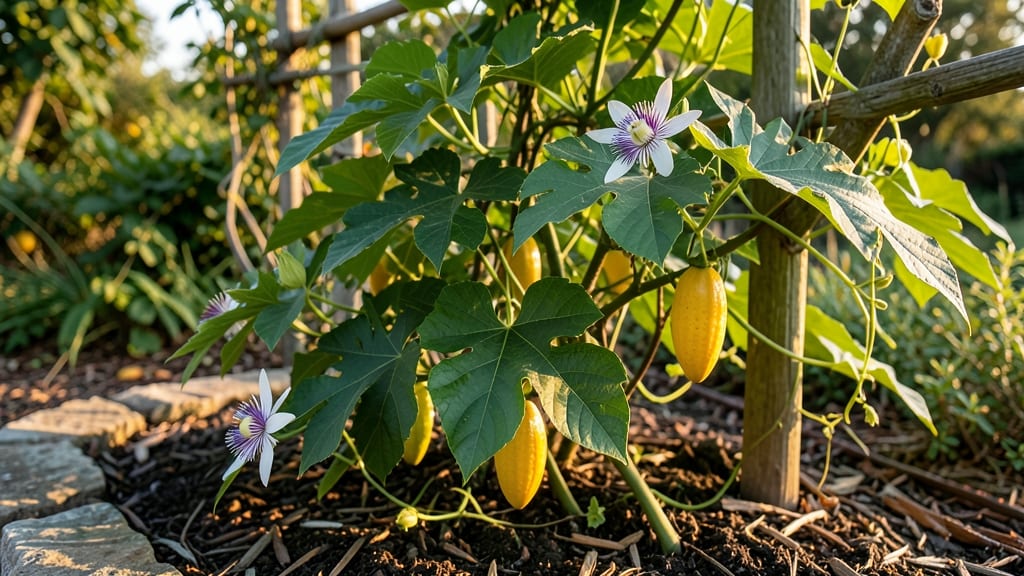
Growing giant passion fruit is like nurturing a jungle treasure in your backyard—🌿 those sweet, tart fruits can reach the size of a baseball when given the right care.
I learned the hard way that these vines aren’t just picky about warmth; they demand patience, strong support, and a few clever tricks to coax them into producing fruit that’ll make your neighbors jealous. The payoff?
A vine that can keep bearing through mild winters if you choose the right cold-hardy variety.
First, you’ll need a sunny spot with well-draining soil—think rich, slightly acidic loam mixed with compost. These vines are heavy feeders, so plan for regular fertilization with a balanced mix (10-10-10) every 4-6 weeks once established. The real game-changer?
A sturdy trellis or arbor—these vines can grow 20-30 feet in a season if left unchecked, and without support, they’ll flop like overgrown spaghetti.
Start with a healthy plant or seed, but be warned: seeds take 1-2 years to bear fruit, while grafted varieties might fruit in as little as 6-8 months if conditions are perfect.
Here’s the secret to those giant fruits: pollination. Many varieties need help from bees or even a paintbrush to transfer pollen between flowers. Once you see those 3-inch-wide blooms, keep an eye out for fruit set—it’s a sign your efforts are paying off.
With proper care, you’ll harvest fruit that’s not just large but packed with flavor, ready to slice into bowls of tropical goodness or ferment into passion fruit wine. The key is consistency: water deeply but avoid soggy roots, and prune aggressively in late winter to encourage new growth.
Cold snaps? Don’t panic. While giant passion fruit isn’t frost-tolerant, varieties like ‘Panama Red’ or ‘Sweet Granadilla’ can handle brief dips to 28°F with some protection (like row covers or mulch).
The real challenge is keeping the vine happy year-round—so if you’re in a cooler climate, treat it like a houseplant in winter and move it back outside when temperatures stabilize.
Patience is your best friend here; these vines take time, but the first harvest makes every late night of trellis-building worth it.
📚 In This Guide
- What you need
- Instructions
- Tips and common mistakes
- Wrapping up and next steps
What you need
- ● Cold-hardy passion fruit vines: 1-2 plants of Passiflora edulis (purple) or Passiflora ligularis (giant granadilla) varieties (ensure they’re labeled as cold-tolerant).
- ● Well-draining soil: 5-10 bags of peat moss or coco coir (for improving drainage).
- ● 1-2 bags of compost or aged manure (to enrich soil).
- ● 10 lbs of perlite or pumice (for aeration).
- ● Fertilizer: 1 lb of balanced fertilizer (10-10-10 or 5-5-5) for planting.
- ● 1 lb of high-potassium fertilizer (e.g., 0-10-10) for fruiting season.
- ● Support structure: A 6-8 ft trellis or strong fence (vines can grow 20+ ft!).
- ● Watering supplies: A hose with adjustable nozzle or drip irrigation system.
- ● Garden trowel or shovel.
- ● Pruning shears (sterilized).
- ● Gloves (to protect from thorns!).
- ● pH test kit (ideal soil pH: 6.0–7.0).
- ● Mulch (straw or wood chips, 2–3 inches thick).
- ● Slow-release fertilizer granules (for convenience).
- ● Organic pest control (neem oil, insecticidal soap).
- ● Shade cloth (for young plants in hot climates).
- ● Fruit cages (to protect blooms from pests).
Step-by-step instructions for growing cold-hardy giant passion fruit
Here’s how I grow these tropical giants in cooler climates—no greenhouse needed.
🌱 Step 1: Select and Prepare Cold-Hardy Varieties
Choose ‘Panama Red’ or ‘Granadilla’—these varieties tolerate temperatures down to 20°F once established. Start with 4-6 healthy vines (I buy bare-root plants in early spring). Soak the roots in lukewarm water for 2 hours before planting to revive them. You’ll know they’re ready when the roots feel plump and flexible.
Trim any damaged or mushy roots with clean sterilized pruners, leaving only firm, white roots intact. This prevents rot and gives your vines a strong start. I like to dip the cut ends in cinnamon powder—it acts as a natural antifungal while the roots heal.
☀️ Step 2: Plant in Warmth and Full Sun
Passion fruit vines need 6+ hours of direct sun daily and well-draining soil with a pH of 6.0–7.0. Mix 3 gallons of compost into the top 12 inches of soil per plant to improve fertility and drainage. Avoid heavy clay—amend with 2 inches of perlite if your soil compacts easily.
Plant in early spring, after the last frost, when soil temperatures reach 65°F. Bury the roots 6 inches deep and space plants 8–10 feet apart—these vines spread aggressively. Water deeply right after planting to settle the soil, but don’t drown the roots. You’ll see new growth within 7–10 days if conditions are right.
💧 Step 3: Train and Support the Vines
Passion fruit vines are woody perennial climbers, so install a 10-foot trellis or strong fence at planting. Use soft garden twine to gently guide the main stem upward, tying it every 12 inches as it grows. Avoid metal ties—they’ll cut into the bark as the vine thickens.
Prune aggressively in late winter to remove dead or crossing branches. I keep 3–4 main branches per vine, cutting back any growth that competes with the primary stem. This encourages larger, more productive fruit. Watch for new leaf growth in spring—this is your signal the vine is recovering from winter.
✂️ Step 4: Fertilize and Protect for Year-Round Fruit
Feed vines monthly with a balanced 10-10-10 fertilizer (1 tablespoon per plant) from spring through fall. In winter, switch to a low-nitrogen, high-phosphorus fertilizer (like 5-10-10) to support root health. Water deeply 2–3 times per week, letting the soil dry slightly between waterings—soggy roots invite fungal diseases.
Mulch heavily with 4 inches of straw in winter to insulate roots. I also wrap young vines in burlap during hard freezes (below 20°F)—this adds 5–10°F of protection. Harvest when fruit is fully colored and slightly soft to touch (usually late summer to early fall in warmer zones, but year-round in frost-free areas).
🌿 Step 5: Overwinter and Prune for Next Year
In late fall, cut back all foliage but leave the main woody stems intact. This protects the vine from cold damage while allowing new growth in spring. Water sparingly in winter—just enough to keep the soil from drying out completely. You’ll see new shoots emerge in early spring, signaling the vine is ready to fruit again.
Here’s the thing—patience is key. Giant passion fruit vines take 2–3 years to reach full production, but once they do, you’ll get 50+ pounds of fruit per vine. I’ve had vines in Zone 7 produce through three winters with these methods—just keep them fed, supported, and protected.
Tips & tricks for growing cold-hardy giant passion fruit
Here's what nobody tells you about growing these tropical giants in cooler climates—these tricks make all the difference.
Root Revival Technique: That 2-hour soak in lukewarm water isn't just about hydration—it's about waking up dormant roots. I've found that adding a pinch of seaweed extract to the water boosts root growth hormones. The roots should feel plump and flexible when ready; if they still feel limp after soaking, give them another 30 minutes. This step is non-negotiable for survival in colder zones.
Soil Prep Secret: The 3 gallons of compost per plant isn't just about fertility—it's about creating the perfect moisture balance. I always mix in 1 cup of perlite per gallon of compost to prevent compaction. Test your soil's pH before planting; if it's below 6.0, add pelletized lime (about 1 pound per 100 square feet) and retest after 2 weeks. The right pH prevents nutrient lockout, which is especially critical in cooler climates where growth slows.
Winter Protection Hack: That burlap wrap during hard freezes (below 20°F) works wonders, but here's the pro move: stuff the burlap with dried leaves or straw before wrapping. This creates an extra insulating layer that can raise protection by another 5°F. I also like to loosely cover the entire trellis with frost cloth on the coldest nights—just make sure it's secured but not tight against the vines.
Harvesting Cue: The "fully colored and slightly soft to touch" description is key, but here's what I watch for: the fruit should feel heavy for its size and have a slight give when gently squeezed. I harvest in the morning when temperatures are cooler—this preserves the fruit's sweetness. In Zone 7, I've found that fruits ripened on the vine through winter taste even better than summer harvests, thanks to the slower development.
Pro Tips for Giant Passion Fruit
- Here's what nobody tells you about growing these tropical giants in cooler climates—these tricks make all the difference.
- Root Revival Technique: That 2-hour soak in lukewarm water isn't just about hydration—it's about waking up dormant roots.
- Soil Prep Secret: The 3 gallons of compost per plant isn't just about fertility—it's about creating the perfect moisture balance.
Frequently asked questions
Got questions about growing giant passion fruit?
Here are the answers to the most common queries—from planting to harvest—so you can cultivate these tropical giants with confidence!
Can giant passion fruit survive in cold climates?
Yes! Cold-hardy varieties like Passiflora edulis f. flavicarpa (yellow passion fruit) can tolerate brief dips to 20–25°F (-6 to -4°C) if protected. In colder zones, grow them in containers and move them indoors during winter. Mulch heavily around the base to insulate roots. Pro tip: Prune back vines after frost—they’ll regrow in spring!
How long does it take for giant passion fruit to bear fruit?
With proper care, giant passion fruit vines can produce fruit in 12–18 months from planting. Fast-growing varieties may yield earlier if given full sun, rich soil, and consistent water. Patience pays off—once established, a healthy vine can produce 100+ fruits per season!
What’s the best fertilizer for giant passion fruit?
Use a balanced, organic fertilizer (e.g., 10-10-10 or compost) at planting, then switch to a low-nitrogen, high-potassium blend (like 5-10-10) during flowering and fruiting. Feed every 4–6 weeks in growing season. Avoid over-fertilizing—too much nitrogen = leafy vines, fewer fruits!
Why aren’t my giant passion fruit vines flowering?
Common culprits: lack of sunlight (they need 6+ hours daily), overwatering (let soil dry slightly between waterings), or nutrient imbalances. Prune leggy growth to encourage bushier, flowering vines. If indoors, supplement with a grow light for 12+ hours/day. Try hand-pollinating with a soft brush if bees are scarce!
How do I know when giant passion fruit is ripe?
Ripe giant passion fruit turn deep yellow or orange (varies by variety) and feel heavy for their size. The skin should yield slightly to gentle pressure, and the stem may darken. Unripe fruit is hard and green—wait a few more days! Once picked, they don’t ripen further, so choose carefully. Pro tip: Smell the blossom end—ripe fruit has a sweet, tropical aroma!
Can I grow giant passion fruit in containers?
Use a large pot (15+ gallons) with drainage holes and a well-draining potting mix. Choose a fast-growing variety like ‘Panama Yellow’ for container success. Move pots to bright, indirect light (or south-facing windows) and water deeply when the top inch of soil dries. Warning: Containers dry out faster—check soil moisture daily in summer!
Wrapping up and next steps
Growing giant passion fruit is a rewarding journey that blends patience, care, and a touch of tropical flair—even in cooler climates! 🌱 Whether you’re a seasoned gardener or a curious beginner, these cold-hardy varieties offer a delicious harvest with the right fertilization and nurturing.
Start small, experiment with your setup, and soon you’ll be savoring the sweet, tangy fruits of your labor.
Ready to take the next step? Begin by selecting your favorite variety, gathering supplies, and planting with confidence. Before you know it, you’ll be enjoying homegrown giant passion fruit straight from your garden! 🍈✨