
Trees
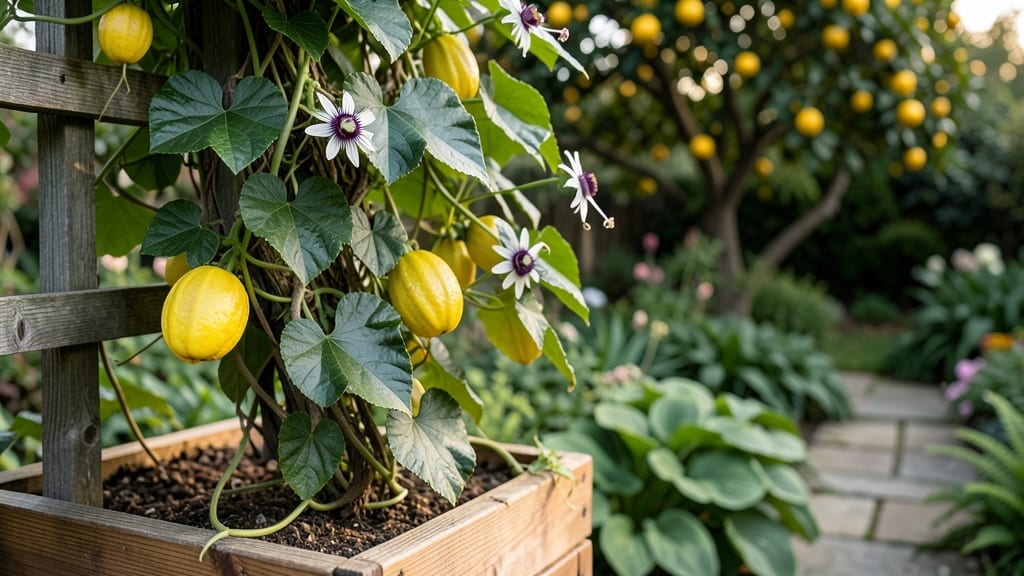
Growing a yellow passion fruit tree in containers can turn your balcony into a tropical paradise with minimal fuss. 🌿 I learned the hard way that these vines thrive when treated like houseplants—just give them sunlight, a sturdy trellis, and regular feeding.
The first harvest of golden, tangy fruit makes every effort worth it.
These tropical climbers love warmth and humidity but adapt surprisingly well to containers. A 15-gallon pot with drainage holes and well-draining soil keeps roots happy, while a 6-foot trellis gives vines room to climb.
Water when the top inch of soil feels dry, and fertilize monthly with citrus blend during growing season.
By summer's end, you'll be picking sweet, seedy fruit that tastes like sunshine. The vines produce prolifically with proper care, and organic pest control keeps aphids at bay. Just watch for overwatering—this was my biggest mistake before learning to let soil dry slightly between waterings.
Perfect for small spaces, this tropical treasure grows in USDA zones 8-11 and can be overwintered indoors. The key is patience—first fruits appear after 12-18 months, but once established, these vines reward you with bounty for years. Let's get growing!
Root Causes Behind Leaf Issues
Understanding why your tropical fruit tree struggles can feel like solving a puzzle—but don’t worry, we’ve got the clues! Leaf discoloration, wilting, or poor fruit production often stem from a few key factors.
Let’s break down the why behind the most common problems, so you can take action before they escalate.
Your passion fruit tree thrives in warmth and bright, indirect light, but push it too far, and it’ll send distress signals. Here’s how:
- Too Much Heat or Cold - Extreme heat (above 95°F/35°C) causes leaf scorch—edges turn crispy and yellow, almost like paper.
The plant conserves water by dropping leaves, slowing growth and fruit set. - Cold snaps (below 50°F/10°C) trigger chilling injury, where leaves develop dark, water-soaked spots or curl. This weakens the tree’s ability to photosynthesize, leading to stunted fruit.
- Insufficient Light
- If placed in low-light conditions (e.g., deep shade or north-facing windows), leaves turn pale yellow (chlorosis) because chlorophyll can’t form properly. The tree prioritizes survival over fruit production, so buds drop, and growth stalls.
💡 Pro Tip: Monitor your tree’s microclimate. If indoors, rotate the pot weekly for even light exposure. Outdoors? Use shade cloth (30-50%) in peak summer to prevent sunburn.
Passion fruit trees hate soggy roots—their native habitats are well-drained tropical soils, not swampy conditions. Here’s how excess moisture backfires:
- Root Rot & Yellowing Leaves
- Overwatering (or pots without drainage holes) leads to anaerobic soil, where roots suffocate. Fungal pathogens like Phytophthora thrive, causing roots to turn mushy and black. The tree can’t absorb nutrients, so older leaves yellow first (a classic sign of nutrient starvation).
- Mineral Toxicity
- Poor drainage traps excess salts or fertilizer runoff, burning roots. Symptoms include yellowing between leaf veins (like iron deficiency, but it’s actually salt burn).
✨ Actionable Fix:
- Test your soil: Stick your finger 2 inches deep—if it’s damp, wait to water. Passion fruit trees prefer soil that’s dry to the touch between waterings.
- Upgrade pots: Use terracotta or fabric grow bags with drainage holes. Add a 2-inch layer of perlite or orchid bark to improve aeration.
Yellowing leaves aren’t always about water—they’re often screaming for micronutrients! Passion fruit trees are heavy feeders, especially when fruiting. Here’s what’s missing:
| Symptom | Likely Deficiency | How to Fix It |
|---|---|---|
| Yellow between veins | Iron (Chlorosis) | Apply chelated iron or use Epsom salt (1 tbsp/gallon water). |
| Purple stems/leaves | Phosphorus | Use a bone meal or rock phosphate fertilizer. |
| Leaf edges brown/curl | Potassium | Feed with potassium sulfate or banana peel tea. |
| Stunted growth | Nitrogen | Switch to a balanced 10-10-10 fertilizer. |
🔥 Warning: Too much nitrogen (common with synthetic fertilizers) leads to luxuriant green growth but no fruit—the tree puts energy into leaves, not passion fruit!
Hidden invaders can drain your tree’s energy faster than you think. Watch for:
- Spider Mites & Aphids
- These sap-sucking pests cause yellow stippling (tiny white/yellow dots) on leaves. Heavy infestations lead to leaf drop and weak stems, reducing fruit yield.
- Fix: Spray with neem oil (1 tsp per quart of water) or introduce ladybugs (natural predators).
- Fungal Leaf Spot (Alternaria)
- Dark, target-like spots with yellow halos appear in humid conditions. The fungus clogs stomata, preventing gas exchange and turning leaves yellow.
- Fix: Prune infected leaves and apply copper fungicide. Improve airflow with spaced pruning.
Even the hardiest trees struggle when upset. If your passion fruit tree suddenly wilts or drops leaves after repotting:
- Root Circling or Crowding
- Roots growing in tight circles strangle themselves, limiting water/nutrient uptake. Leaves yellow as the tree can’t support new growth.
- Fix: Repot every 2 years into a container 2-3 inches larger with fresh potting mix. Gently tease out circling roots during transplant.
- Sudden Environmental Changes
- Moving from indoor warmth to a chilly patio or high humidity to dry air causes shock. Leaves may yellow as the tree adjusts.
- Fix: Acclimate gradually (harden off over 1-2 weeks) and keep humidity high with a pebble tray or misting.
Quick fixes for common growing challenges
When your passion fruit vine (or Passiflora edulis) isn’t thriving, the good news is most issues have simple, effective solutions. Below, we’ve mapped the most frequent problems to step-by-step fixes—plus prevention tips to keep your tropical treasure lush and productive. Let’s troubleshoot!
Cause: Poor nutrition, root-bound pots, or overwatering.
🔥 Fix It Fast
- Repot or Refresh Soil 🏺
- If roots circle the pot, upgrade to a 12–18-inch container with drainage holes.
- Replace top 2–3 inches of soil with a well-draining mix (cactus/succulent blend + compost).
- Fertilize Right 🌿
- Use a balanced liquid fertilizer (10-10-10) every 4–6 weeks during spring/summer.
- Pro tip: Switch to low-nitrogen (5-10-10) if leaves turn too green.
- Adjust Watering 💧
- Let soil dry 1–2 inches deep between waterings. Overwatering suffocates roots!
- Test: Stick your finger in—if it’s damp, wait.
🛡️ Prevention Tips
- Mulch lightly (1 inch of bark) to retain moisture without soggy roots.
- Rotate the pot monthly for even sunlight exposure.
Cause: Insufficient sunlight, lack of pollinators, or improper pruning.
🌸 Boost Flower & Fruit Production
- Maximize Sunlight ☀️
- Move to a south-facing window or outdoor spot with 6+ hours of direct sun.
- No sun? Use a grow light 12–14 hours/day in winter.
- Hand-Pollinate 🐝
- Use a soft paintbrush to transfer pollen between flowers early morning (when they’re open).
- Prune Strategically ✂️
- Trim dead or leggy vines in early spring to encourage new growth.
- Avoid heavy pruning after flowering—save it for winter dormancy.
🎯 Pro Tips for Fruit Success
- Feed with phosphorus (e.g., bone meal) to promote blooms.
- Thin vines if overcrowded—3–4 main stems yield best.
Cause: Dry air, weak plants, or outdoor exposure.
🦟 Eliminate Pests Naturally
- Isolate & Inspect 🔍
- Quarantine the plant until pests are gone to prevent spread.
- Blast Off with Water 💦
- Spray infested areas with a strong jet of water to dislodge pests.
- Neem Oil Treatment 🌿
- Mix 1 tbsp neem oil + 1 tsp mild soap + 1 quart water. Spray every 5–7 days until gone.
- Introduce Beneficial Insects 🐞
- Release ladybugs or lacewings (available at garden centers) for long-term control.
🛡️ Keep Pests Away
- Wipe leaves with a damp cloth weekly to remove eggs.
- Avoid over-fertilizing—weak plants attract pests.
Cause: Temperatures below 30°F (-1°C) or drafts.
🔥 Winterize Your Passion Fruit
- Move Indoors 🏠
- Bring pots inside near a bright window or under grow lights.
- Ideal winter temps: 50–65°F (10–18°C).
- Reduce Watering 💧
- Water only when soil is bone-dry (every 3–4 weeks).
- Prune Lightly ✂️
- Cut back dead or yellowed growth in late winter to encourage spring rebloom.
🌡️ Cold Prevention
- Use a frost cloth if temps dip near freezing.
- Group plants together to retain warmth.
Final Note: Passion fruit vines are forgiving—most issues resolve quickly with these fixes. Monitor your plant’s soil, sunlight, and water weekly, and you’ll enjoy bountiful harvests with minimal fuss! 🍈✨
Frequently asked questions
Can I grow a yellow passion fruit tree indoors year-round?
Yes! These vines thrive indoors with the right conditions. Place near a south-facing window for 6+ hours of sunlight daily, or supplement with a grow light for 12-14 hours in winter. Use a 15-gallon pot with drainage holes and well-draining soil mix. Keep humidity high with a pebble tray and maintain 65-80°F temperatures year-round.
How long does it take for a yellow passion fruit tree to bear fruit?
With proper care, you can expect first fruits after 12-18 months of growth. The key is patience—focus on establishing strong vines with 6+ hours of sunlight daily, regular feeding with a balanced fertilizer, and hand-pollination if indoor bees aren't available. Container-grown trees may take slightly longer than those in ground plantings.
Why are my passion fruit leaves turning yellow?
Yellow leaves usually indicate overwatering, nutrient deficiency, or poor drainage. Check that your pot has drainage holes and soil stays dry to the touch between waterings. Older yellow leaves often mean nitrogen deficiency—switch to a balanced fertilizer (10-10-10) every 4-6 weeks during growing season. If new leaves are yellow too, check for iron deficiency and apply chelated iron.
Can I grow yellow passion fruit in containers larger than 15 gallons?
Yes, but avoid oversized containers—15-20 gallons is ideal. Larger pots hold too much moisture, risking root rot. If using a bigger container, add extra perlite or orchid bark to improve drainage. Remember: passion fruit vines need regular feeding to produce fruit, so a larger pot means more fertilizer needed. Prune vines to 3-4 main stems for best fruit production.
How do I overwinter my yellow passion fruit tree?
Move your tree indoors before temperatures drop below 50°F (10°C). Place near a bright window or under grow lights for 12-14 hours daily. Reduce watering to every 3-4 weeks when soil is bone-dry. Lightly prune dead growth in late winter, then resume regular care in spring. Keep humidity high with occasional misting to prevent leaf drop.