
Vegetables
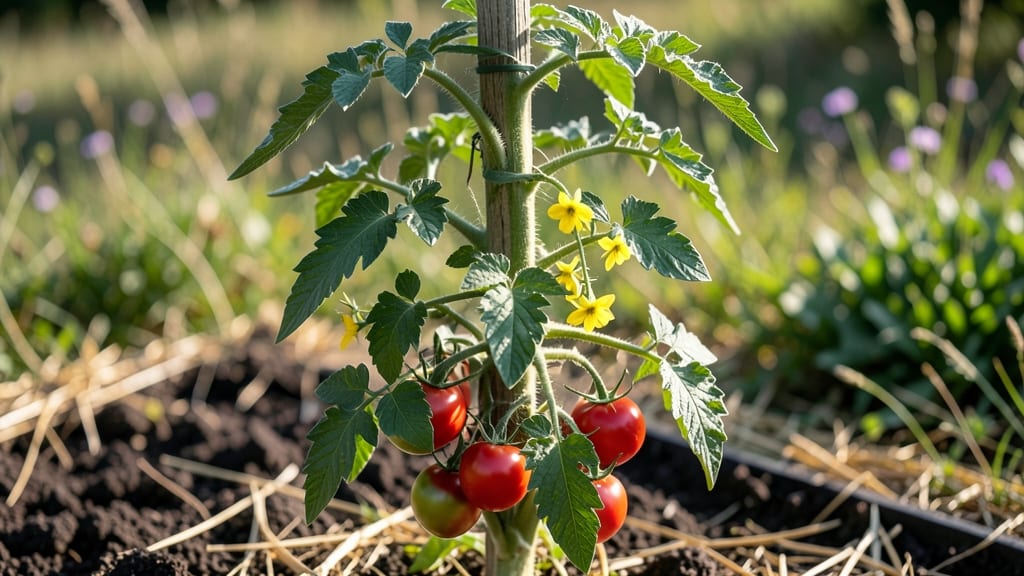
Tomatoes are botanically classified as fruits because they develop from the flower’s ovary and contain seeds, even though they’re often treated as vegetables in culinary contexts due to their savory flavor and usage in dishes.
This distinction between botanical and culinary classifications actually makes perfect sense when you consider how we use tomatoes. 🌱 From a science perspective, fruits are defined by their reproductive purpose—containing seeds to grow new plants—while vegetables are typically other edible plant parts like leaves or roots.
The confusion arises because tomatoes taste salty and savory rather than sweet, which is why most kitchens treat them like vegetables in recipes. What's fascinating is how this dual classification plays out in everyday cooking—imagine trying to make a fruit salad with tomatoes versus a classic marinara sauce!
For home gardeners, this knowledge can actually be useful. If you're growing tomatoes for their seeds, you'll want to let them fully ripen on the vine.
But if you're growing them primarily for culinary use, harvesting at peak flavor (often before full ripeness) gives you the best balance of sweetness and acidity for dishes. The key takeaway?
Don't let the botanical definition fool you—when it comes to cooking, tomatoes behave like vegetables in every way that matters.
💡 In This Article
- Botanical Classification: Why Tomatoes Are Fruits
- Culinary Uses: How Tomatoes Function as Vegetables
Botanical classification: why tomatoes are fruits
The scientific definition of a fruit centers on its reproductive role: fruits develop from a flower's ovary and contain seeds to propagate the plant.
Tomatoes fit this perfectly—their fleshy exterior surrounds multiple small seeds in the center, just like an apple or peach. 🌱 What makes this clear is the tomato's anatomy: the outer skin is actually the fruit wall (pericarp), while the inner gel-like tissue contains the seeds.
Even the tomato's growth process mirrors other fruits, starting as a flower that pollinates and develops into the edible structure we recognize.
Comparing tomatoes to other familiar plants highlights this classification. Consider cucumbers, bell peppers, and eggplants—all botanically fruits by the same definition, yet commonly used as vegetables in cooking.
The key difference lies in their flavor profiles: sweet fruits (like apples) have higher sugar content, while these "culinary fruits" contain more acids and compounds that create savory tastes.
Tomatoes, with their 3-5% sugar content and 0.3-0.5% acidity, fall into this savory category, which is why our taste buds perceive them differently from sweet fruits.
This botanical classification isn't just academic—it affects how tomatoes grow.
The plant's energy focuses on developing the fruit (tomato) to disperse seeds, which is why tomato plants produce flowers that eventually become tomatoes. 🌿 What's interesting is how this reproductive purpose contrasts with vegetables like lettuce (leaves) or carrots (roots), which don't develop from flowers.
The tomato's entire structure serves one purpose: seed dispersal through animal consumption, just like other fruits in nature.
The confusion between fruit and vegetable stems from how we've culturally redefined these terms. While botanists classify plants based on reproductive structures, cooks categorize them by taste and usage. This dual classification creates a fascinating linguistic divide—what scientists call "fruits," chefs might call "vegetables."
The tomato serves as the perfect example of this crossover, bridging both worlds in our kitchens.
Here's where it gets practical: if you're growing tomatoes for seed saving, you'll want to let them fully ripen on the vine. The seeds need this maturation process to become viable. But for culinary use, you might harvest tomatoes at 70-80% ripeness for the best flavor balance in dishes.
This shows how understanding the botanical definition actually improves your gardening and cooking techniques!
The scientific name Solanum lycopersicum gives us another clue—it belongs to the nightshade family, which includes other botanical fruits like eggplants and peppers.
This family produces fruits that are technically berries (a type of fruit), further confirming tomatoes' botanical classification. 🌍 What's remarkable is how this classification system, developed by botanists, doesn't always align with our everyday culinary experiences.