
Size
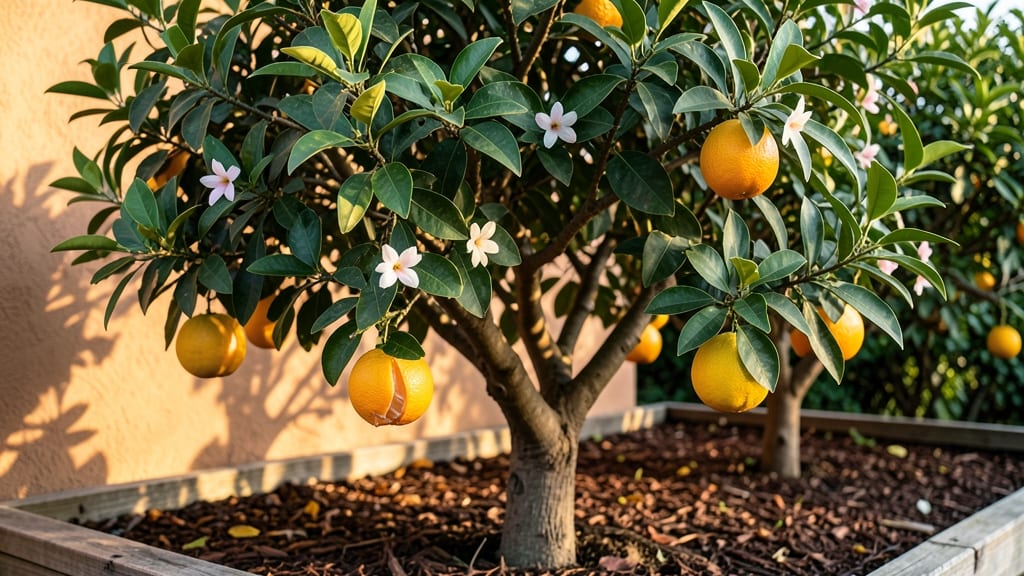
Grapefruits do grow on trees, specifically Citrus × paradisi, a hybrid of pomelo and sweet orange. These evergreen trees thrive in warm climates and produce tart, segmented fruit with a thick rind and bitter-sweet flavor. Unlike oranges, grapefruit trees require full sun and well-drained soil for optimal growth.
These tropical trees reach heights of 20-30 feet when mature, with dense foliage that creates a lush canopy. 🌳 The fruit develops in clusters along the branches, typically after the tree reaches about 3-5 years old, though they can produce smaller yields earlier.
What sets grapefruit trees apart from their citrus cousins is their preference for slightly drier soil—too much moisture leads to root rot, which is why they're often grown in sandy or loamy soils.
I've found that while they share many care requirements with oranges, grapefruit trees are far more sensitive to cold snaps, needing protection below 25°F.
One fascinating detail is how the tree's growth pattern changes with fruit production. When heavy with fruit, the branches can bend significantly, which is why many commercial growers use support systems.
The thick rind isn't just for protection—it contains natural oils that give grapefruit its signature bitter-sweet taste, which develops more fully in sunnier conditions. This is why commercial orchards often use pruning techniques to maximize sunlight exposure to the fruit clusters.
💡 In This Article
- Grapefruit Tree Botany: Growth Habits and Climate Needs
- Growing Grapefruit Trees at Home: Essential Tips for Gardeners
Grapefruit tree botany: growth habits and climate needs
The grapefruit tree belongs to the Citrus × paradisi species, a natural hybrid between pomelo and sweet orange. This crossbreeding occurred centuries ago, likely in the Caribbean, where the warm, humid climate provided ideal conditions for the new variety to thrive.
The tree's scientific name reflects its hybrid origin, with "×" indicating a cross between two species. Unlike its parent pomelo (which can grow up to 30 feet tall), grapefruit trees typically reach 20-30 feet at maturity, with a more compact, rounded canopy that creates dense shade.
Grapefruit trees flourish in USDA hardiness zones 9-11, where temperatures rarely drop below 25°F. The trees are evergreen, meaning they retain their glossy, dark green leaves year-round, though new growth appears lighter in color. Their root systems are shallow but extensive, spreading horizontally to access moisture and nutrients.
This makes them particularly sensitive to waterlogged soil—a key difference from orange trees, which tolerate slightly more moisture. The fruit develops in clusters of 3-5 grapefruits per stem, unlike oranges that often grow singly or in small groups.
The tree's structure also differs from oranges in its branching pattern. Grapefruit trees develop a more upright, vase-shaped form with sturdy branches that can support the weight of heavy fruit clusters.
Pruning plays a crucial role in maintaining this shape and improving air circulation, which reduces fungal diseases like citrus greening.
The thick, leathery leaves contain essential oils that give the tree its distinctive citrus aroma, while the fruit's thick rind (up to 0.5 inches) protects against pests and environmental stress.
One fascinating adaptation is the tree's response to sunlight. Grapefruit trees require 6-8 hours of direct sunlight daily to develop flavorful fruit, but their leaves can burn if exposed to intense afternoon sun in hot climates. This is why many commercial growers use shade cloth during summer months.
The fruit's bitterness actually increases in cooler conditions, which is why sweet varieties like 'Ruby Red' are often grown in warmer regions where temperatures stay above 70°F during development.
Soil composition is another critical factor. Grapefruit trees prefer well-drained, slightly acidic soil with a pH between 6.0-7.0. Sandy loam is ideal because it prevents root rot while allowing adequate drainage.
Unlike oranges, which can tolerate heavier clay soils, grapefruit trees struggle in waterlogged conditions, making raised beds or mounded planting a common practice in humid climates. The tree's roots also produce beneficial microbes that help break down organic matter, enriching the soil over time.
When comparing grapefruit trees to orange trees, you'll notice several key differences in their growth habits. For instance, grapefruit trees produce fruit on both old and new wood, while oranges primarily fruit on older branches.
This makes grapefruit trees more productive in younger years, though they typically take 3-5 years to reach full bearing. The fruit's development also differs—grapefruits take about 180-240 days to mature, compared to oranges' 120-180 days, which is why grapefruit season often extends later into fall and winter.