
Trees
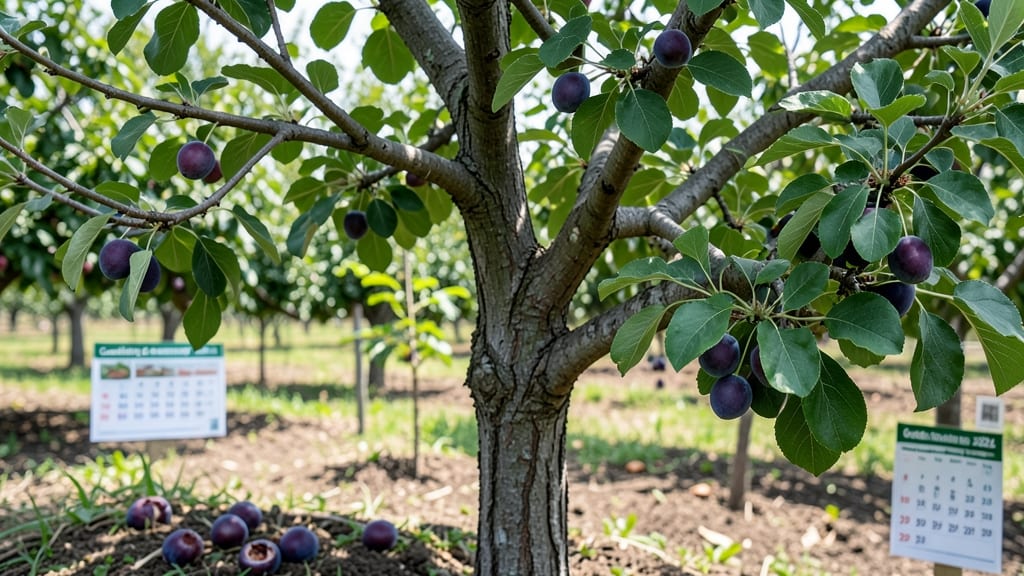
Plum trees do not produce fruit every year because their fruiting cycle depends on age, variety, climate conditions, and proper care. Young trees often take 2-5 years before bearing fruit, while mature trees naturally alternate between heavy and light production years due to energy conservation.
This natural pattern isn't a flaw—it's how plum trees conserve energy. 🌳 After a big harvest year, they focus on root and branch growth instead of flowering, which is why you might see fewer plums one season and a bumper crop the next.
The key factors are chill hours (many varieties need 300-600 hours below 45°F to trigger blooming) and proper pruning. I've found that consistent winter care and balanced fertilization can help regulate this cycle, but you'll still see some variation year to year.
What's interesting is how different plum varieties behave—some Japanese plums fruit annually, while European types often follow the biennial pattern. This means choosing the right variety for your climate can make a big difference in your harvest consistency.
💡 In This Article
- Why Plum Trees Skip Years in Fruit Production
- How to Encourage Consistent Plum Tree Fruit Yields
Why plum trees skip years in fruit production
The core reason plum trees skip fruiting years lies in their energy conservation strategy. After a heavy harvest, the tree redirects resources toward root and trunk growth rather than flowering. This biennial bearing pattern is common in many fruit trees, including apples and cherries.
The process begins when the tree's carbohydrate reserves deplete from fruit production, triggering a hormonal shift that delays next year's bloom formation. 🌿
Chill hours play a critical role in this cycle—most plum varieties require 300-600 hours below 45°F to properly set flower buds. Without sufficient winter chill, the tree may produce fewer or no flowers at all.
For example, European plums typically need 500+ chill hours, while Japanese plums often thrive with 300-400 hours. This explains why some regions see inconsistent production when winter temperatures vary year to year.
Environmental stressors can amplify this pattern. Drought, extreme heat, or poor soil nutrition force the tree to prioritize survival over reproduction. I've noticed that plum trees under 1 inch of water per week during summer often skip flowering entirely.
Similarly, over-fertilization with nitrogen can promote leafy growth at the expense of fruit production, creating a false "off" year that's actually a growth phase.
Pruning timing also disrupts natural cycles. Heavy pruning after harvest removes potential flowering sites, while late-season pruning can stimulate new growth that competes with next year's buds.
The ideal approach is to prune during dormant season (late winter), removing only 20-30% of branches to maintain balance between growth and fruiting potential.
What's fascinating is how this cycle varies by variety. European plums like 'Santa Rosa' often follow strict biennial patterns, while Japanese plums such as 'Methley' may produce annually if conditions are ideal.
The tree's age matters too—young trees (under 5 years) focus on establishing roots, while mature trees (10+ years) have more stable but still variable production cycles.
One common misconception is that skipped years mean a "bad" tree. In reality, this is a survival mechanism—trees that fruit every year risk exhausting their resources and dying prematurely. The key is understanding your specific variety's needs and providing consistent care to help regulate this natural rhythm. 🌱