
Plants
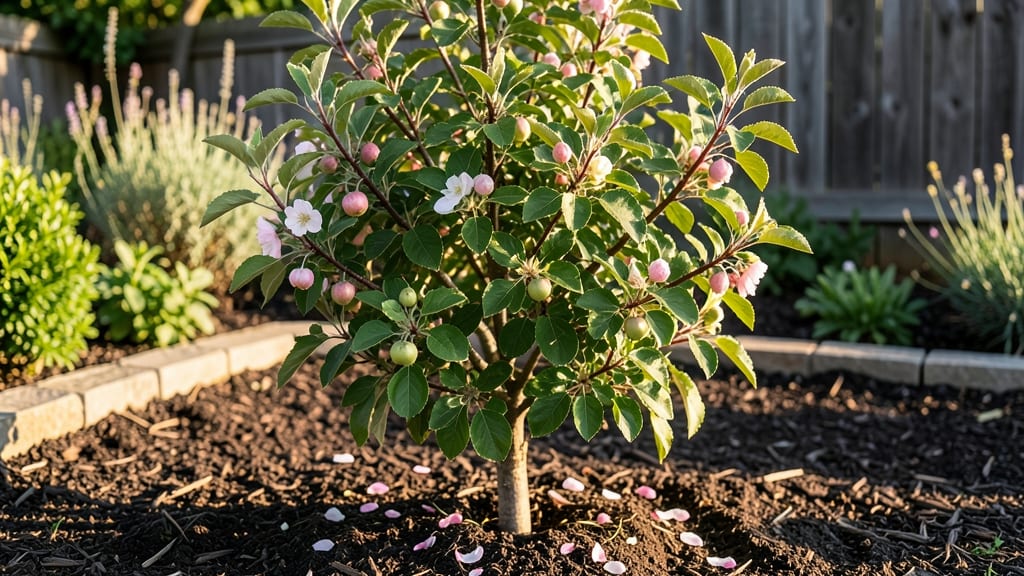
Growing apple-like fruit bushes lets you enjoy sweet harvests without needing a full orchard. 🌿 These compact plants—like crabapples, quinces, or hawthorns—produce beautiful blooms and edible fruit in even the smallest yards. I’ve grown them in containers and garden beds, and they thrive with minimal fuss.
The right variety makes all the difference. Crabapples offer tart-sweet fruit perfect for jams, while ornamental hawthorns add year-round interest. Plant in well-draining soil with full sun, and you’ll see blossoms by spring. Pruning in late winter keeps them healthy and encourages bigger harvests.
By summer, you’ll be picking fruit straight from the bush—no ladder needed. These plants also attract pollinators, making your garden more vibrant. Plus, their fall foliage and berries add color long after the harvest. Works in urban spaces, rural homesteads, or anywhere with decent sunlight. Let’s get growing!
Root Causes Of Stunted Growth
If your apple-like fruit bush isn’t thriving, the issue often stems from a mix of environmental, biological, or cultural factors. Understanding these root causes helps you take precise action to restore health and productivity.
Below, we break down the most common reasons your bush might be underperforming—along with science-backed explanations to diagnose the problem.
Soil is the foundation of plant health, and when it’s lacking, your fruit bush suffers. Apple-like fruit bushes (e.g., crabapples, medlars, or hawthorns) thrive in well-draining, nutrient-rich soil with a slightly acidic to neutral pH (6.0–7.0).
If the soil is compacted, waterlogged, or deficient in essential nutrients, roots struggle to absorb what they need.
- Compacted Soil: Heavy foot traffic, machinery, or clay-heavy soil compresses particles, reducing oxygen flow to roots. This leads to root asphyxiation, stunted growth, and poor nutrient uptake.
- Nutrient Deficiencies: Lack of nitrogen (N), phosphorus (P), or potassium (K) causes yellowing leaves, weak stems, and fewer flowers/fruit. A soil test reveals exact deficiencies.
- pH Imbalance: Soil too acidic (<5.5) or alkaline (>7.5) locks out nutrients like iron, manganese, or calcium. For example, lime-induced chlorosis (yellow leaves with green veins) occurs in alkaline soils.
Actionable Fix: Amend soil with compost, organic matter, or slow-release fertilizers. For compacted soil, aerate with a garden fork or gypsum. Test pH annually and adjust with sulfur (to lower) or lime (to raise).
Fruit bushes are resilient, but extreme or inconsistent environmental conditions can push them past their limits. Heatwaves, drought, or sudden temperature swings disrupt photosynthesis, flower production, and fruit development.
- Insufficient Water: Drought stress triggers abscission (premature leaf drop) and stunted cell growth. Bushes need 1–1.5 inches of water weekly (more in containers).
- Excessive Heat: Temperatures above 90°F (32°C) for prolonged periods cause heat stress, leading to sunburned leaves, blossom drop, and poor fruit set.
- Cold Damage: Late frosts (<28°F/-2°C) can kill flowers or young shoots, while winter desiccation (dry winds) drains moisture from evergreen foliage.
- Wind Exposure: Strong, constant winds physiologically dry plants, increasing transpiration rates and stressing roots.
Actionable Fix:
- Install drip irrigation or soaker hoses for consistent moisture.
- Use shade cloth (30–50%) during heatwaves or plant near a windbreak (e.g., hedge or fence).
- Mulch with wood chips (2–4 inches) to retain soil moisture and regulate temperature.
Hidden attackers—like insects, fungi, or bacteria—can silently drain your bush’s energy. Common culprits include aphids, fire blight (a bacterial disease), and powdery mildew, all of which reduce vigor and fruit yield.
- Sap-Sucking Insects: Aphids, mites, and scale insects inject toxins while feeding, causing curl leaves, stunted shoots, and honeydew (a sticky residue that fosters sooty mold).
- Fungal Infections: Powdery mildew (white fungal growth) and apple scab (dark, crusty lesions) clog stomata, blocking gas exchange and photosynthesis.
- Bacterial Diseases: Fire blight (caused by Erwinia amylovora) creates blackened, oozing cankers on branches, killing tissue and spreading rapidly.
- Root Rot: Overwatering or poor drainage invites Phytophthora fungi, which rot roots and starve the plant of water/nutrients.
Actionable Fix:
- Inspect leaves/branches weekly for early signs (e.g., chewed edges, spots, or webbing). Remove and destroy infected parts immediately.
- Apply neem oil or insecticidal soap for pests; use copper fungicides for mildew/scald.
- Prune in late winter to improve airflow and remove dead wood (sterilize tools with rubbing alcohol).
Fruit bushes need space to spread their roots and branches. When planted too closely or surrounded by aggressive competitors (like weeds or grass), they compete for sunlight, water, and nutrients—leading to weak growth and reduced fruiting.
- Root Competition: Grasses and weeds extract moisture and nutrients, leaving your bush malnourished. Their shallow roots also compete for the same soil layer.
- Shade Stress: Tall trees or dense shrubs block 6+ hours of direct sunlight, which fruit bushes need for photosynthesis and fruit development.
- Physical Damage: Overly dense plantings lead to branch rubbing, which creates wounds vulnerable to disease.
Actionable Fix:
- Space bushes 8–12 feet apart (check variety guidelines). For dwarf types, 4–6 feet suffices.
- Mulch with straw or bark to suppress weeds while retaining moisture.
- Prune neighboring plants to open the canopy and allow sunlight to reach your bush.
Improper fertilization or pesticide use can disrupt your bush’s internal chemistry. For example, excess nitrogen promotes leafy growth at the expense of fruit, while herbicide drift or salt buildup (from over-fertilizing) damages roots.
- Nutrient Burn: Too much synthetic fertilizer (especially high in salts) causes osmotic stress, where roots can’t absorb water, leading to wilting or brown leaf edges.
- Pesticide Toxicity: Systemic herbicides (e.g., glyphosate) or broad-spectrum insecticides can disrupt beneficial microbes in the soil, reducing nutrient availability.
- Micronutrient Deficiencies: Lack of boron, zinc, or magnesium causes distorted leaves, poor flowering, or hollow fruit.
Actionable Fix:
- Switch to organic, slow-release fertilizers (e.g
Practical fixes for thriving fruit bushes
---
Growing a fruit bush that produces apples—or apple-like fruits—can be incredibly rewarding, but challenges like poor yield, disease, or pests can quickly dampen your enthusiasm. The good news?
Most issues have simple, actionable solutions. Below, we’ve mapped common problems to their fixes, along with prevention tips to keep your bush healthy and productive year after year.
---
If your bush is blooming but not bearing fruit—or producing tiny, underwhelming harvests—these fixes can help.
#### 🔥 Boost Pollination
Many apple-like fruit bushes (e.g., Crabapple, Hawthorn, or Quince) rely on cross-pollination. If your bush isn’t getting enough visitors:
- 🐝 Hand-pollinate: Use a soft paintbrush to transfer pollen from one flower to another on a sunny, dry morning.
- 🌿 Plant companion bushes: Choose varieties that bloom at the same time (e.g., pair a Crabapple with a Pear bush).
- 🏡 Attract pollinators: Plant bee-friendly flowers (like lavender or marigolds) nearby and avoid pesticides.
#### 🍳 Optimize Fertilization
Nutrient deficiencies can stunt fruit development. Test your soil (a DIY kit costs ~$20) and adjust:
- 📊 Soil test reveals low nitrogen (N)? Apply a balanced fertilizer (10-10-10) in early spring.
- 🍎 Phosphorus (P) deficiency? Use bone meal or compost rich in phosphorus to encourage flowering.
- 🌱 Potassium (K) boost: Banana peels or wood ash can add potassium, which improves fruit sweetness.
#### ⏰ Prune for Better Airflow
Overcrowded branches block sunlight and trap moisture, leading to poor fruit set. Prune in late winter or early spring:
- 🔪 Remove dead, crossing, or inward-growing branches to open the canopy.
- 🌿 Thin out clusters of fruit—leave 5–7 inches between fruits to reduce competition for nutrients.
#### 🌡️ Check Temperature & Chill Hours
Some apple-like bushes need 200–600 chill hours (below 45°F) to fruit. If your region is too warm:
- 🌿 Choose low-chill varieties like Everbearing Crabapple or Dwarf Quince.
- 💡 Use artificial chilling (e.g., a refrigerator set to 35–40°F for 4–6 weeks in winter) for potted bushes.
---
Pests and diseases can devastate your bush if left unchecked. Act fast with these targeted solutions.
#### 🐜 Common Pests & Fixes
Pest
Signs
Solution
Apple Maggots
Small holes in fruit, larvae inside
🍎 Cover fruit with netting before maggots emerge (late spring). Trap adults with protein bait traps.
Aphids
Sticky residue (honeydew), curled leaves
💦 Spray with soapy water (1 tsp mild soap per quart of water). Introduce ladybugs as natural predators.
Japanese Beetles
Skeletonized leaves, chewed fruit
🌿 Handpick beetles into soapy water. Apply neem oil as a deterrent.
#### 🦠 Fungal Diseases & Cures
Diseases like powdery mildew or fire blight thrive in damp conditions. Prevent and treat with:
- 🌧️ Improve airflow: Prune to reduce humidity around leaves.
- 🍄 Copper fungicide: Spray preventatively in spring (follow label instructions).
- 🔥 Remove infected branches: Sterilize pruners with rubbing alcohol between cuts to avoid spreading disease.
- 🌿 Baking soda spray: Mix 1 tbsp baking soda + 1 tsp oil + 1 gallon water for mild mildew control.
---
An ounce of prevention saves hours of troubleshooting. Keep your fruit bush thriving with these habits:
#### 💡 Year-Round Care Calendar
Season
Task
🌸 Spring
Prune, fertilize, and monitor for early pests. Thin fruit clusters.
☀️ Summer
Water deeply (1–2 inches per week). Mulch to retain moisture and deter weeds.
🍂 Fall
Rake up fallen leaves (disease risk!). Apply compost or slow-release fertilizer.
❄️ Winter
Protect young bushes with burlap if frost is severe. Plan next year’s pruning.
#### ✨ Pro Tips for Happy Bushes
- 🌱 Container growers: Use well-draining soil and repot every 2–3 years to refresh nutrients.
- 🍎 Harvest timing: Pick apple-like fruits when they easily detach with a gentle twist (usually late summer/fall).
- 🔄 Rotate varieties: Plant different types (e.g., Crabapple + Juniperberry) to confuse pests and improve pollination.
- 📝 Keep a garden journal: Note what works (or fails) each year to refine your approach.
---
With these fixes, your fruit bush should reward you with bountiful, sweet harvests—even in small spaces! Start with one or two solutions tailored to your bush’s needs, and watch it thrive. 🌟
Frequently asked questions
What are the best apple-like fruit bushes for small gardens?
For compact spaces, try crabapple trees (like 'Centennial' or 'Adams'), which grow to 15–20 feet but produce abundant fruit. Dwarf quince varieties (such as 'Golden Spice') stay under 6 feet and thrive in containers. Hawthorn bushes (like 'Red Hawk') offer both fruit and stunning fall color while staying under 10 feet tall.
How do I know if my fruit bush needs more sunlight?
Check for pale, leggy growth or fewer blooms—both signs of insufficient light. Most apple-like bushes need 6–8 hours of direct sun daily. If your bush is in shade, try moving it to a sunnier spot or prune nearby trees/shrubs to improve light exposure. Leafy greens without red/purple tones also indicate low light.
Can I grow apple-like fruit bushes in containers?
Yes! Dwarf varieties like columnar crabapples or miniature quince thrive in 15–25 gallon containers with well-draining potting mix. Use a pot with drainage holes and repot every 2–3 years to refresh nutrients. Place containers where they get full sun and water when the top 1–2 inches of soil feel dry.
Why aren't my apple-like fruits ripening properly?
Uneven ripening often stems from inconsistent watering or poor pollination. Ensure your bush gets 1–1.5 inches of water weekly and check for cross-pollination needs. Some varieties (like crabapples) need another compatible bush nearby. Also, harvest when fruit easily detaches with gentle pressure—overripe fruit falls prematurely.
What's the easiest way to propagate apple-like fruit bushes?
Try layering or softwood cuttings in early summer. For layering, bend a low branch to the ground, cover with soil, and secure until roots form (usually 4–6 weeks). Softwood cuttings (4–6 inch sections) should be dipped in rooting hormone and placed in moist perlite. Keep cuttings in bright, indirect light until roots develop.