
Featured
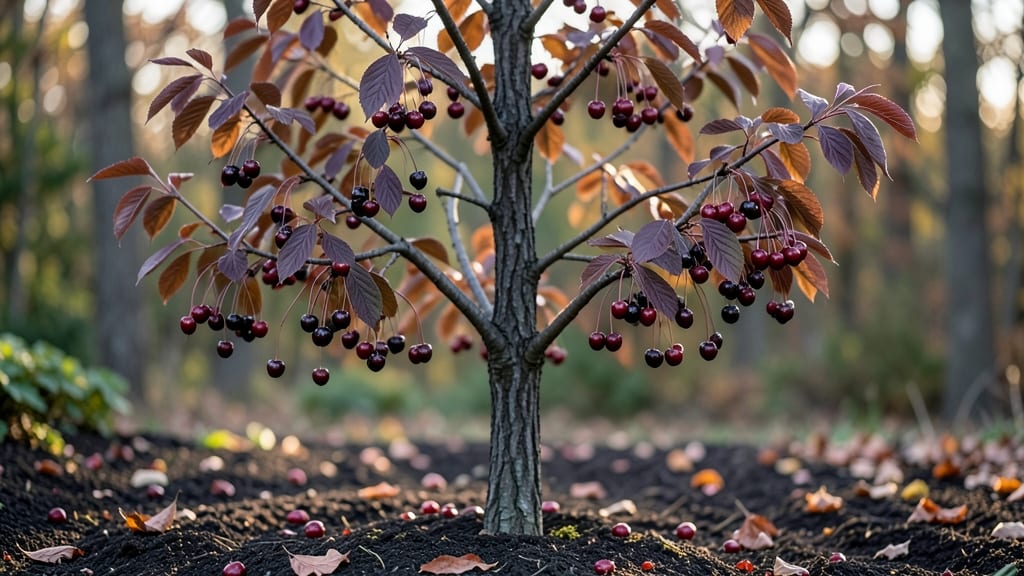
The Canada Red cherry tree fruit ripens in late summer, typically July to August, when the cherries turn deep red and develop a slight softness while remaining firm to the touch.
The Canada Red cherry's ripening process is all about timing and texture. 🌿 These cherries gradually shift from green to vibrant red, with the color deepening as they near peak ripeness.
Unlike some varieties that soften dramatically, Canada Reds stay firm enough to handle transport but yield slightly when gently squeezed—a telltale sign they're ready for picking. The flavor profile also evolves, becoming sweeter and more complex as natural sugars concentrate.
I've found that harvesting in the morning after the dew has dried helps preserve freshness, while avoiding afternoon heat prevents premature bruising.
What makes these cherries special is their balance of firmness and sweetness—perfect for both fresh eating and culinary uses. 🍒 The ideal harvest window is crucial because overripe cherries lose their signature tartness, while underripe ones lack the full depth of flavor.
Storing them properly (in the fridge for up to a week or frozen for longer) helps maintain that perfect balance until you're ready to enjoy them.
💡 In This Article
- Identifying Canada Red Cherry Ripening Stages
- Optimal Harvesting Techniques for Canada Red Cherries
Identifying Canada Red cherry ripening stages
The Canada Red cherry's ripening journey begins with a vibrant green hue that gradually transitions to a bright pink, eventually deepening into a rich, glossy red. This color shift isn't just visual—it's a biological process where chlorophyll breaks down as the fruit matures, revealing the underlying pigments called anthocyanins.
These compounds aren't just responsible for the stunning color; they also contribute to the cherry's antioxidant properties, which peak during the final ripening stages.
One of the most reliable ripeness indicators is the stem's response when gently twisted.
At peak ripeness, the stem should separate cleanly from the fruit with minimal force—a sign the fruit's cell walls have softened just enough to release from the tree. 🌱 This "stem slip" test works because the fruit's natural ethylene production increases as it ripens, breaking down pectin in the stem attachment point.
However, be cautious: if the stem pulls away too easily, the cherry may be overripe and prone to spoilage.
Climate plays a surprisingly large role in ripening timing. In cooler northern regions, Canada Red cherries may take until early August to reach full color, while warmer southern climates can see ripening as early as late July.
Temperature also affects sugar concentration—cooler nights help develop complex flavors by slowing sugar breakdown, while hot days can accelerate ripening and reduce acidity. This is why cherries grown in regions with moderate temperature swings often have superior taste profiles.
Sugar content is another key factor. At full ripeness, Canada Red cherries typically contain about 12-14% soluble solids (measured with a refractometer), which translates to that perfect balance of sweetness and slight tartness.
The fruit's firmness also changes subtly—it should yield slightly when pressed with your thumbnail but not feel mushy. This firmness is crucial because it indicates the fruit's cell structure is intact, preserving both texture and flavor during storage.
What many growers don't realize is that cherries continue to ripen slightly after picking, a process called "postharvest ripening." This is why it's better to harvest slightly underripe fruit (still firm with some green showing) if you can't use it immediately—they'll develop full flavor during storage.
The trade-off is that overripe cherries on the tree (those that are soft and fully red) will deteriorate quickly after picking, losing both texture and sweetness within 24-48 hours.
For home growers, keeping a harvest journal can help predict ripening patterns. Note the first day you see deep red coloration and track how quickly the fruit reaches peak ripeness—this data becomes invaluable for planning future harvests.
The ideal window for picking is typically a 5-7 day period when most fruit reaches peak ripeness simultaneously, allowing for efficient harvesting.