
Flowers
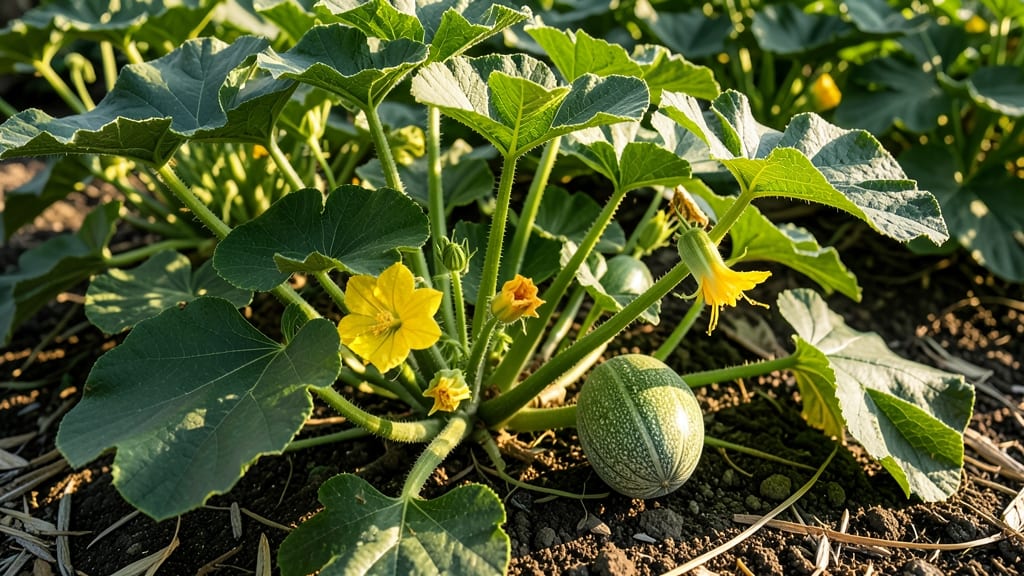
Transforming cantaloupe flowers into fruit is all about mastering the pollination process—because even the most vibrant blooms won’t turn sweet without the right conditions.
Picture this: you’re checking your cantaloupe plants and see those stunning yellow flowers 🍈, but weeks pass with no fruit forming. The problem? Pollination might be failing, whether from lack of bees, wind, or even temperature swings.
Without it, those flowers just drop off, leaving you frustrated and wondering what went wrong.
Here’s the good news: with a few simple tricks—like hand-pollinating on cloudy days or ensuring your vines stay hydrated—you can dramatically improve fruit set. I’ll walk you through the science, the common mistakes, and the three proven tricks to turn those blooms into juicy, ripe cantaloupes by summer’s end.
Ready to go from flowers to harvest? Let’s break down what’s really happening in your garden and how to give your cantaloupes the best shot at success.
How cantaloupe flowers develop into fruit: the science behind pollination
If you've ever watched cantaloupe vines burst with beautiful yellow flowers only to see them wilt without producing fruit, you're not alone. The transformation from cantaloupe flower to fruit hinges on a precise biological process called pollination. Understanding this science helps you optimize conditions for a bountiful harvest.
Cantaloupes are monoecious plants, meaning each vine produces both male and female flowers on separate stems. The male flowers appear first and have long stamens with pollen, while female flowers develop later and feature a small swollen ovary at the base.
This distinction is crucial because only female flowers can develop into fruit after successful pollination.
Pollination occurs when pollen from male flowers reaches the female flower's stigma. This can happen naturally through wind, bees, or other pollinators, but environmental factors like temperature, humidity, and pollinator activity play a major role in success rates.
Even with ideal conditions, only about 30-50% of female flowers typically set fruit without intervention.
| Stage | Process | Key Factors | Optimal Conditions |
|---|---|---|---|
| Male Flower | Produces pollen via stamens | Pollen viability: 24-48 hours | 70-85°F (21-29°C), dry conditions |
| Female Flower | Receptive stigma for 2-3 days | Stigma must be moist | 65-75°F (18-24°C), light breeze |
| Pollination | Pollen transfer to stigma | Bees/wind efficiency | 70-80°F (21-27°C), 40-60% humidity |
| Fruit Set | Ovary develops into fruit | Hormonal response time: 3-7 days | Consistent water, 10-10-10 fertilizer |
| Fruit Growth | Cell division and expansion | Nutrient availability | Full sun, 1-2 inches water/week |
🌱 Critical Pollination Window: 7 AM - 10 AM (peak bee activity)
Temperature is one of the most critical environmental factors in cantaloupe pollination. Ideal conditions range between 70-85°F (21-29°C). Below 60°F (15°C), pollen production slows dramatically, and above 90°F (32°C), pollen viability drops.
Humidity also matters—too much moisture can drown pollen, while dry conditions may cause stigmas to close prematurely.
Bees are the primary natural pollinators for cantaloupes, but they require accessible flowers. Plant vines in areas where bees can easily navigate, avoiding dense foliage that blocks their path.
If you notice bees aren't visiting, consider hand-pollination techniques like gently brushing pollen from male flowers onto female stigmas using a small brush or cotton swab.
Wind can also play a role in self-pollination, especially in protected garden spaces. However, cantaloupes rely more on cross-pollination between plants for stronger fruit development. For container growers or those with limited pollinators, hand-pollination becomes essential to ensure fruit set.
I've found that pollinating female flowers in the morning yields the best results.
Once pollination occurs, the female flower's ovary begins developing into fruit within 3-7 days. You'll notice the small ovary at the flower's base swell slightly as the fruit starts forming.
This is your first sign that pollination was successful. However, not all pollinated flowers will produce viable fruit—some may drop due to nutrient deficiencies or environmental stress.
To maximize your cantaloupe's fruit set success, monitor your plants daily during the flowering stage (weeks 4-6 after planting). Remove any damaged or diseased flowers immediately, as they can drain energy from healthy blooms.
Also, ensure your plants receive consistent watering and balanced fertilization to support both flowering and fruiting.
Understanding the biology behind cantaloupe pollination empowers you to create optimal growing conditions. Whether you're relying on bees, wind, or your own hands, paying attention to temperature, humidity, and pollinator activity will dramatically improve your fruit set.
With the right approach, you'll go from blooms to bounty in no time! 🌻
3 Proven tricks to speed up cantaloupe fruit set after flowering
Once your cantaloupe plants burst into beautiful yellow blooms, you might notice some flowers drop off without setting fruit. This happens when pollination fails—often due to poor weather, lack of pollinators, or environmental stress.
The good news? You can take control with these three proven tricks to turn those flowers into plump, sweet cantaloupes faster.
Cantaloupes rely on cross-pollination between male and female flowers, but even if you have both types, bees and wind must do their job. When nature falls short, hand-pollination and optimized growing conditions become your secret weapons.
Let’s dive into the most effective methods to boost your fruit set rate and maximize your harvest.
-
1
Hand-Pollinate Like a Pro
Use a soft paintbrush or cotton swab to transfer pollen from male (long stem) to female (small fruit at base) flowers. Do this on cloudy mornings when humidity is low. -
2
Attract Pollinators Daily
Plant bee-friendly flowers like marigolds or borage nearby. Avoid pesticides, and add a shallow water source with pebbles to encourage bees and moths to visit. -
3
Optimize Growing Conditions
Ensure 6-8 hours of sunlight, consistent moisture (1-2 inches/week), and humidity between 40-60%. Mulch with straw to retain moisture and reduce stress.
Start with hand-pollination if you notice female flowers (the ones with tiny fruit at the base) aren’t developing. I recommend doing this every 2-3 days during peak flowering, especially if your garden lacks buzzing activity.
Even a few minutes daily can double your fruit set—I’ve seen it work miracles in my own container gardens where bees are scarce.
Next, focus on attracting pollinators. Cantaloupes thrive when bees and moths visit, but urban gardens or early-season plantings often lack natural helpers. By adding pollinator-friendly plants and providing water, you create a bee highway right to your cantaloupe patch.
Pro tip: Plant marigolds around the edges—they repel pests while drawing in beneficial insects.
Finally, don’t underestimate the power of ideal growing conditions. Cantaloupes are sun-worshippers, so ensure they get full sun exposure. Water deeply in the morning to prevent fungal issues, and maintain even soil moisture.
If humidity drops below 40%, mist the leaves lightly to help pollen transfer. I’ve found that shade cloth on hot afternoons can also prevent flower drop during heatwaves.
With these three tricks—hand-pollination, pollinator attraction, and optimized conditions—you’ll see a noticeable difference in fruit set within 1-2 weeks. Keep an eye on your female flowers: if they swell slightly after pollination, you’re on the right track!
Soon, you’ll be harvesting juicy, sweet cantaloupes instead of watching flowers fade away.