
Pruning
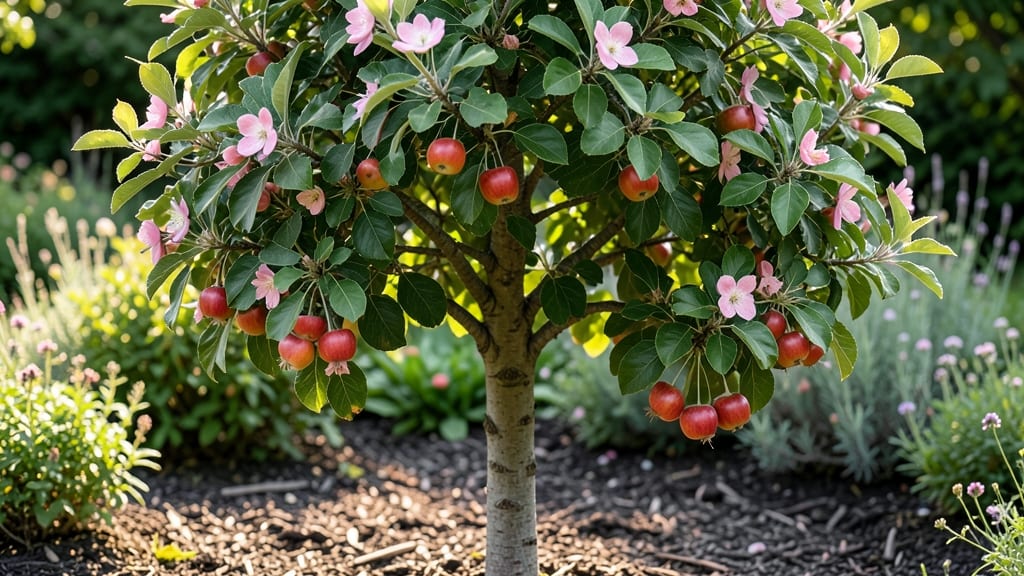
Planting a crabapple fruit tree isn't just about pretty blossoms—it's about year-round interest from fragrant spring flowers to bold fall color and persistent berries that feed birds. 🌿 I've watched mine transform from a bare sapling into a multi-season showpiece that neighbors admire, all thanks to smart planting and regular pruning.
The key starts with location: crabapples thrive in full sun with 6+ hours of direct light daily, and they're surprisingly adaptable to soil types—just avoid heavy clay unless amended.
Varieties like 'Dolgo' or 'Adams' produce edible (though tart) fruit, while others like 'Sargent' focus on ornamental value with stunning foliage. Most mature at 15-25 feet tall, so plan spacing accordingly. What makes these trees special is their low-maintenance nature once established.
Water deeply once a week during the first year, then taper to monthly soakings. The real magic happens in pruning—strategic cuts in late winter remove dead wood while shaping the tree for better airflow and fruit production.
For best results, focus on 3 types of cuts: thinning (opening the canopy), heading (encouraging bushier growth), and cleanup (removing dead/diseased branches). Even a basic pruning schedule keeps your tree healthy for decades, with minimal effort after the first few years.
📚 In This Guide
- What you need
- Instructions
- Tips and common mistakes
- Wrapping up and next steps
What you need
- ● Pruning shears: Bypass pruners with sharp, clean blades (for cuts up to ½ inch thick). Quantity: 1 pair.
- ● Loppers: For thicker branches (½ to 1½ inches). Quantity: 1 pair.
- ● Pruning saw: For branches over 1½ inches in diameter. Quantity: 1.
- ● Disinfectant: 70% isopropyl alcohol or a 10% bleach solution (to sterilize tools between cuts). Quantity: Small bottle or spray.
- ● Garden gloves: Heavy-duty, cut-resistant (to protect hands from thorns and sap). Quantity: 1 pair.
- ○ Tarp or drop cloth: To collect debris (optional but helpful for cleanup). Size: 4’x6’ or larger.
- ○ Pruning sealant: (Optional but recommended for larger wounds) to prevent disease. Quantity: Small tube.
- ● A clear day with temperatures between 50°F–75°F (avoid pruning in wet or freezing conditions).
- ● Knowledge of your tree’s age and health (young trees need lighter cuts; mature trees may require rejuvenation pruning).
- ● Access to a hose or bucket of water (for cleaning tools and rinsing sap off cuts).
- ● Ladder (if tree is over 6 feet tall).
- ● Marking spray paint (to tag branches for removal).
- ● Sharpie or label tags (to track pruning notes).
- ● Compost bin (to recycle pruned branches as mulch).
How to prune a crabapple tree for year-round health
Here’s the pruning strategy I’ve used for over a decade to keep crabapples thriving—clean cuts, seasonal timing, and disease prevention built right in.
✂️ Step 1: Assess and Plan Your Cuts in Late Winter
Start in late winter (just before buds swell) when the tree is dormant but you can still see its structure clearly. Grab your sharp pruning shears and sterilized saw (for thicker branches) and scan the canopy for dead, crossing, or diseased branches—these are your top priorities. I always sketch a rough map of the tree’s shape before cutting, marking branches to remove and those to keep for structure.
Look for suckers (shoots growing from the base or trunk) and water sprouts (vertical shoots growing from the trunk or branches)—these drain energy from fruit production. Remove these first, as they rarely bear fruit and compete with your main branches. Use the branch collar method: cut just outside the branch collar (the swollen area where the branch meets the trunk) to prevent damage to the tree’s healing tissues.
✂️ Step 2: Thin the Canopy for Light and Airflow in Early Spring
Once the tree has leafed out in early spring, focus on thinning rather than just removing. The goal here is to open up the canopy so light and air circulate freely—this prevents fungal diseases like apple scab, which thrives in damp, shaded conditions. Aim to remove 20-30% of the canopy by selecting branches that cross or rub against each other, as well as those growing inward.
Make cuts just above an outward-facing bud or branch to encourage outward growth. If you’re unsure which bud to target, look for one that’s facing the outside of the tree—this ensures the new growth will fill gaps rather than crowd the center. Avoid cutting back to stubs; always leave a small collar or lateral branch to promote faster healing.
☀️ Step 3: Summer Pruning to Control Growth and Shape
In mid-to-late summer, after the tree has finished flowering, do a lighter round of pruning to shape the tree and encourage fruiting spurs (the small, stubby branches where most crabapple fruit forms). Focus on trimming back overly vigorous shoots that are growing too fast or in the wrong direction. These shoots often steal energy from fruit production and can make the tree look unkempt.
Use hand pruners for branches up to ½ inch thick and a pruning saw for anything larger. After each cut, sterilize your tools with rubbing alcohol to prevent spreading disease. Summer pruning is also the time to remove any suckers or water sprouts that may have appeared since your winter cuts. Keep cuts clean and angled slightly away from the branch collar to prevent water from pooling.
⏰ Step 4: Light Cleanup in Early Fall
As the growing season winds down in early fall, do a final walkthrough to remove any dead, diseased, or damaged branches that may have appeared over the summer. This is also the time to thin out any overcrowded areas in the canopy to ensure next year’s fruit has room to develop. Avoid heavy pruning in fall, as it can stimulate new growth that won’t harden off before winter.
Pay special attention to fruit-bearing branches—these are often the smaller, older wood. If you notice any branches with mummified fruit (dried-up apples from last season), remove them entirely to reduce the risk of fungal spores overwintering on the tree. After pruning, rake up and dispose of all debris from under the tree to keep the area clean and reduce pest habitat.
🌱 Step 5: Post-Pruning Care for a Healthy Tree
After your final pruning session, water the tree deeply to help it recover, especially if the season has been dry. Apply a 2-3 inch layer of mulch (but keep it 6 inches away from the trunk) to retain moisture and suppress weeds. This is also a great time to fertilize lightly with a balanced, slow-release fertilizer to support new growth. Monitor the tree over the next few weeks for any signs of stress, like wilting or yellowing leaves, which could indicate over-pruning or disease.
Here’s the thing—consistency is key. Stick to this seasonal schedule, and your crabapple will reward you with healthier growth, better fruit production, and fewer pests and diseases. Real talk: the first year might feel overwhelming, but after a few cycles, you’ll recognize the tree’s natural shape and know exactly where to cut. Trust the process!
Tips & tricks for pruning your crabapple tree
These seasoned strategies will help you maintain your crabapple tree's health year after year without the guesswork.
Seasonal Timing is Everything: The late winter timing in Step 1 is crucial because dormant trees handle stress better. I've seen trees recover poorly when pruned too early—buds can swell while the tree is still vulnerable. Mark your calendar for just before buds begin to plump up; this window ensures clean cuts while the tree has maximum energy reserves. For the 20-30% canopy reduction in Step 2, I recommend doing this in early spring when you can see the tree's natural shape forming through new leaves.
Tool Preparation Prevents Problems: Sterilizing your tools between cuts (as mentioned in Step 3) isn't just about disease prevention—it's about giving your tree the best chance to heal properly. I keep a small bottle of rubbing alcohol in my pruning kit and wipe down blades after every 3-4 cuts, especially when dealing with diseased branches. For the branch collar method in Step 1, I find it helpful to practice on smaller branches first to get comfortable with the precise angle—just outside the collar but not too far.
Visual Cues for Better Cuts: When thinning in Step 2, look for branches that form a "V" shape with their neighbors—these are prime candidates for removal as they create weak points where disease can enter. For summer pruning in Step 3, focus on shoots growing at angles greater than 45 degrees from the main branch; these are typically the vigorous ones stealing energy. I've found that making cuts at a slight downward angle (about 45 degrees) helps water run off cleanly, preventing rot at the cut site.
Post-Pruning Recovery Matters: The deep watering and mulching in Step 5 aren't just afterthoughts—they're essential for recovery. I've seen trees stressed by pruning bounce back beautifully with proper aftercare, while others struggled when these steps were skipped. Keep that 6-inch clearance around the trunk when applying mulch; it prevents moisture buildup that can attract pests. For fertilizer, I recommend waiting until you see new growth emerging in spring before applying anything.
Pro Tips for Crabapple Fruit Tree
- These seasoned strategies will help you maintain your crabapple tree's health year after year without the guesswork.
- Seasonal Timing is Everything: The late winter timing in Step 1 is crucial because dormant trees handle stress better...
- Tool Preparation Prevents Problems: Sterilizing your tools between cuts (as mentioned in Step 3) isn't just about dis...
Frequently asked questions
Got questions about growing and maintaining a crabapple fruit tree? You’re not alone!
Here are answers to the most common queries—from pruning tips to troubleshooting—so you can keep your tree thriving year-round.
When is the best time to prune a crabapple tree?
Prune your crabapple tree in late winter or early spring (before buds swell) to avoid disease spread. Light pruning can also occur in summer to shape the tree. Avoid heavy cuts in fall, as wounds may not heal before winter. Always use clean, sharp tools for the best results!
Do crabapples produce fruit that’s safe to eat?
Most crabapples are too tart and astringent for fresh eating, but they’re perfect for jams, jellies, or baking! Some cultivated varieties (like ‘Dolgo’ or ‘Adams’) are sweeter. Always cook them first—raw crabapples can cause stomach upset.
Why are my crabapple tree’s leaves turning yellow or dropping?
Yellow leaves often signal nutrient deficiencies (like iron or nitrogen) or fungal diseases (e.g., apple scab). Check for pests like aphids or mites too. Improve soil with compost, prune for airflow, and apply fungicide if needed. If the issue persists, consult a local arborist.
Can I grow a crabapple tree in a container?
Yes! Dwarf varieties (like ‘Sargent’ or ‘Centennial’) thrive in containers (15–20 gallons). Use well-draining soil, a large pot, and repot every 2–3 years. Place it in full sun and water regularly. Just remember: container-grown trees may produce smaller fruit and need more frequent pruning.
Are crabapple trees good for pollinators?
Absolutely!
Crabapple blossoms are a pollinator magnet, attracting bees, butterflies, and birds. Planting one supports local ecosystems. For extra benefits, choose native varieties like ‘Donald Wyman’ or ‘Red Sentinel’—they’re hardy and wildlife-friendly.
What’s a good alternative if I don’t want to deal with fruit?
If you love crabapples’ ornamental value but not the fruit, opt for flowering crabapple varieties like ‘Royalty’ or ‘Adirondack.’ These focus on stunning blooms and disease resistance. They’re low-maintenance and still add beauty to your landscape!
Wrapping up and next steps
Growing a crabapple fruit tree is a rewarding journey that blends beauty, functionality, and health—especially when you master the art of strategic pruning! 🌿 From shaping your tree for optimal fruit production to ensuring its long-term vitality, the right cuts make all the difference.
Whether you're a seasoned gardener or just starting, these insights will help you cultivate a thriving tree year after year.
Ready to take the next step? Grab your pruning shears, mark your calendar for the best pruning seasons, and watch your crabapple tree flourish! With patience and care, you’ll enjoy a bountiful harvest and a stunning addition to your landscape for decades to come. 🍏✨