
Light Requirements
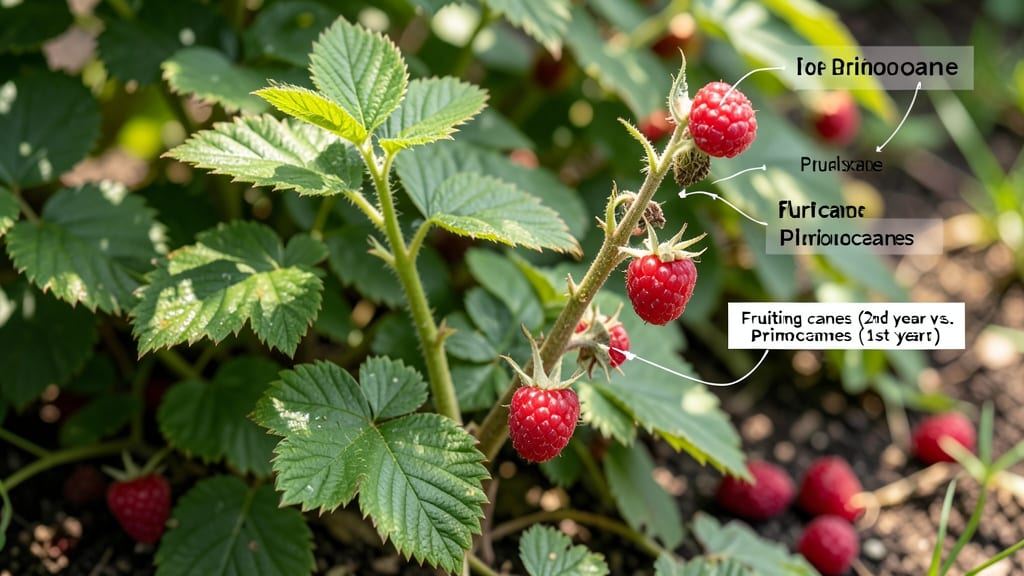
You need two raspberry bushes to get fruit only if growing summer-bearing varieties, as they require cross-pollination between different plants. Ever-bearing types can self-pollinate but produce more with multiple bushes. Plant at least two for better yields and genetic diversity.
Whether you're growing raspberries for the first time or expanding your garden, understanding pollination needs makes all the difference. 🌱 Summer-bearing varieties absolutely require two plants because their flowers produce both male and female parts but need another plant's pollen for successful fruit set.
Ever-bearing types can produce berries alone, but planting two bushes still boosts your harvest by up to 30% through natural cross-pollination. This also helps prevent genetic bottlenecks that can make your crop more vulnerable to diseases.
For best results, pair varieties with complementary flowering times—like 'Boyne' (summer-bearing) with 'Heritage' (ever-bearing)—to extend your harvest season. In small spaces, container gardening works well with two dwarf varieties planted side by side.
The key is ensuring flowers from different bushes can easily access each other's pollen through wind or insects.
💡 In This Article
- Cross-Pollination Rules for Summer vs Ever-Bearing Raspberries
- Best Raspberry Bush Pairings for Maximum Fruit Production
Cross-pollination rules for summer vs ever-bearing raspberries
Summer-bearing raspberries have a fascinating biological quirk: their flowers are perfect (containing both male and female reproductive parts), but they're not self-fertile. This means pollen from one flower must travel to another flower on a different plant to trigger fruit development.
The process relies on wind or pollinators like bees, which transfer pollen between bushes within a 50-100 foot radius. Ever-bearing varieties, however, produce flowers that can self-pollinate—though they still benefit from cross-pollination for larger berries.
The difference lies in their flower structure and timing. Summer-bearing bushes produce flowers on primocanes (first-year canes) that develop into fruit-bearing floricanes the following year. Each floricanes produces a single flush of flowers in early summer, creating a 3-4 week window for successful pollination.
Ever-bearing types, meanwhile, flower on both primocanes and floricanes throughout the growing season, giving them more flexibility in fruit production. 🌸 This is why ever-bearing bushes can produce fruit alone, but their yields double when planted with another variety.
Genetic diversity plays a crucial role in disease resistance and yield. When you plant two different summer-bearing varieties, their combined pollen creates stronger, more resilient fruit.
For example, pairing 'Boyne' (a popular summer-bearing variety) with 'Nova' introduces genetic variation that can help resist common diseases like cane blight or gray mold. The result? Healthier plants and more consistent fruit production year after year.
This principle applies to ever-bearing types too—though they're more forgiving, multiple bushes still improve fruit size and quality.
Here’s what happens when pollination fails: flowers drop off without setting fruit, leaving you with empty canes. In extreme cases, this can reduce yields by up to 70% in summer-bearing varieties. Ever-bearing types won’t suffer as severely, but they’ll still produce smaller, less flavorful berries.
The solution? Plant at least two bushes of different varieties within 10 feet of each other to ensure adequate pollen transfer. 🌿 This distance maximizes the chances of wind or insects carrying pollen effectively.
Temperature and weather also influence pollination success. Raspberry flowers thrive in 55-75°F conditions, with bees most active on sunny days. Cold snaps or heavy rain during the flowering period can disrupt pollinators, leading to poor fruit set.
To mitigate this, choose varieties with staggered flowering times—like 'Heritage' (ever-bearing) and 'Dormanred' (summer-bearing)—to extend your pollination window and increase the likelihood of successful fruit development.
For gardeners with limited space, dwarf varieties like 'Tulameen' (ever-bearing) or 'Caroline' (summer-bearing) are excellent choices. These can be planted in containers or small garden beds, with two bushes placed side by side to ensure cross-pollination.
The key is maintaining a 3-4 foot spacing between plants to allow airflow and easy access for pollinators. This setup not only maximizes fruit production but also makes harvesting easier and more efficient.
Understanding these rules transforms raspberry growing from a gamble into a predictable, rewarding process. Whether you're working with summer-bearing or ever-bearing types, planting two bushes—especially of different varieties—sets you up for a bountiful harvest while building resilience against pests and diseases.
The effort pays off in bigger, sweeter berries and fewer disappointments at harvest time. 🍓