
Pruning
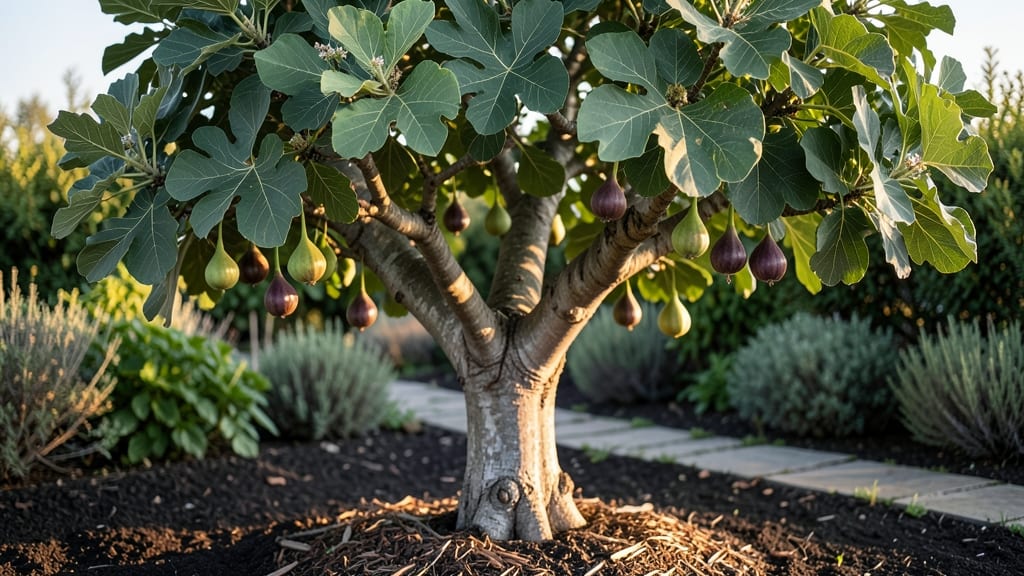
Understanding your fig tree's fruit cycle 🍈 is the secret to turning a sporadic harvest into a reliable, year-round supply of sweet figs—if you know when and how to guide each stage.
If you’ve ever wondered why your fig tree produces fruit at different times—or why some years it seems to fail entirely—it’s not just luck. The fig tree fruit cycle follows a predictable pattern, but climate, pruning, and care can throw it off if you’re not paying attention.
From the first buds in spring to the final harvest in fall, each phase of the cycle depends on the right conditions. Get it wrong, and you might end up with fewer figs or even no fruit at all.
But get it right, and you’ll enjoy a tree that rewards you with abundant harvests for years to come.
Here’s what happens during each stage—plus the pro tips to maximize your yield, no matter where you live in USDA Zone 6a or beyond.
The 4 distinct phases of a fig tree’s annual fruit cycle
Fig trees follow a unique annual fruit cycle that differs dramatically between temperate and Mediterranean climates. Unlike many fruit trees, figs can produce two harvests per year in warm regions, while cooler zones often see just one.
Understanding these four key phases—dormancy, budding, fruiting, and rest—helps you time care tasks perfectly for maximum yield.
In Mediterranean climates, fig trees may fruit twice annually, with spring crops from winter buds and fall crops from summer growth. Meanwhile, temperate zone trees typically produce one main harvest in late summer or fall, relying on warmth accumulation to trigger fruiting.
Let’s break down each phase with visual cues and climate-specific timing.
📋 Visual Identification Tip: Always check for bud swell (early spring), tiny green figs (summer), and leaf color shifts (fall) to spot each phase accurately.
| Phase | Climate Timing | Visual Cues | Key Care Tasks |
|---|---|---|---|
| Dormancy | Late fall to early spring (USDA Zones 7-9) | Dropped leaves, bare branches, no buds | Prune dead wood, mulch base |
| Budding | Spring (March-April) or Fall (Sept-Oct) | Swollen buds, new leaf growth | Fertilize lightly, monitor pests |
| Fruiting | Summer (June-August) or Fall (Sept-Nov) | Green figs appear, leaves thicken | Water deeply, avoid over-fertilizing |
| Rest | Late fall to winter (Zones 7-9) | Leaf drop, no active growth | Reduce water, protect from frost |
🌱 Note: Mediterranean climates may skip dormancy entirely, fruiting year-round.
The dormancy phase is critical for temperate zone figs, where cold temperatures reset the tree’s cycle. Look for completely bare branches—this signals it’s time to prune out dead wood and apply mulch to protect roots.
In Mediterranean climates, dormancy may be minimal or nonexistent, with trees producing continuous crops if conditions stay warm.
During budding, fig trees in cooler climates wake up in late spring (March-April), while Mediterranean varieties may bud twice—once in spring and again in fall. Spot swollen buds along branches as your first clue.
This is the perfect time to apply balanced fertilizer (6-6-6 NPK) to encourage robust growth without overloading the tree.
The fruiting phase begins when you see tiny green figs forming—this can happen as early as June in warm zones or as late as August in cooler areas. Leaf thickness and fruit firmness are key indicators.
Avoid heavy watering now; deep, infrequent watering prevents fruit split and maintains sweetness. In Mediterranean climates, some varieties produce two crops per year from the same buds!
Finally, the rest phase in temperate zones prepares the tree for winter. Look for leaf drop and reduced activity by late fall. While Mediterranean figs may not fully rest, all varieties benefit from reduced watering and frost protection if temperatures dip below 20°F.
This phase is ideal for soil aeration and root zone checks to ensure next year’s success.
Pro tip: Container-grown figs often follow a shorter cycle due to limited root space. Move pots to protected areas in winter and prune more aggressively to stimulate new growth. Regular monitoring of bud development and fruit set will help you predict harvest times with precision.
Understanding these phases lets you sync care tasks with your fig tree’s natural rhythm. Whether you’re in California’s Mediterranean climate or Zone 7’s cooler conditions, timing pruning, fertilizing, and watering to each phase will maximize your harvest year after year. 🌿
How to maximize fruit production during each stage of the cycle
Understanding the fig tree fruit cycle lets you tailor care to each stage—boosting yields dramatically. During dormancy, your tree stores energy for next year’s growth, while budding signals the start of fruit formation. Each phase demands specific actions to avoid reducing harvests.
Start with winter pruning while the tree is dormant. Remove dead or crossing branches to improve airflow and sunlight penetration. This isn’t just about aesthetics—it’s critical for fruit development later.
Aim to keep the tree’s shape open, as dense foliage can block light from reaching inner branches where fruit often forms.
⚠️ WARNING: Common Mistake Alert!
Cutting back more than 25% of the canopy during dormancy stresses the tree and delays budding. This can lead to reduced fruit set or even skipped fruiting cycles. Always prioritize structural branches over aggressive thinning.
🌿 Pro Tip: Use sterilized pruners to prevent disease spread, and avoid pruning in wet conditions.
As spring arrives and buds swell, shift focus to fertilization. Apply a balanced 6-6-6 NPK fertilizer when buds appear, then again at full bloom. This supports flower formation and early fruit growth. Organic options like composted manure work well too, but avoid heavy nitrogen—it promotes leaves over fruit.
During the fruiting stage, consistent deep watering is non-negotiable. Figs need 15-20 gallons per tree weekly during hot months, delivered at the base, not the leaves.
Morning watering prevents fungal issues and ensures roots absorb moisture before evaporation. Hand-pollination may help in low-wind areas—gently shake branches to distribute pollen.
Finally, as temperatures drop and leaves yellow, your tree enters rest. This isn’t a time to neglect it—soil prep now ensures next year’s success. Add 2-3 inches of compost and a light mulch to retain moisture and regulate soil temperature.
Avoid heavy fertilizers; the tree’s focus should be on root strengthening, not new growth.
By aligning your care with the fig tree fruit cycle, you’ll break the cycle of inconsistent harvests. Small adjustments—like precise pruning, targeted feeding, and strategic watering—can transform a sparse yield into a bountiful, reliable crop year after year. 🍈