
Pruning
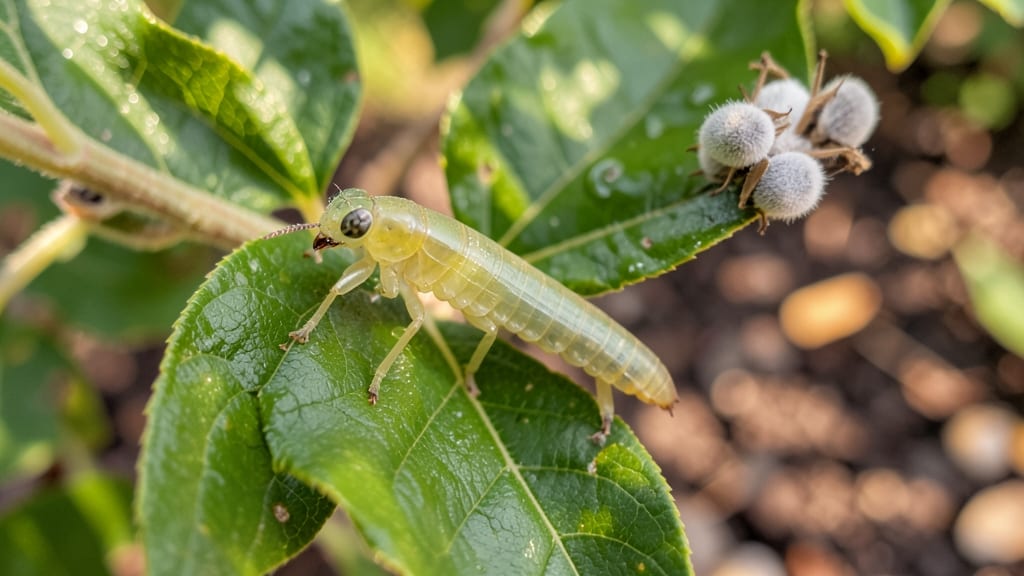
Most problems start with weak trees—poor soil, overwatering, or lack of pruning make them easy targets. I’ve found neem oil sprays work best for aphids, while pheromone traps stop codling moths before they lay eggs. The secret? Consistency—check trees weekly during bloom and harvest seasons.
You’ll see results in just 2-3 weeks: fewer holes in fruit, fewer sticky leaves, and trees that bounce back stronger. The best part? These methods protect pollinators and keep your harvest naturally healthy—no residue, no guesswork.
Works for apples, peaches, cherries, and more—just adjust timing based on your local pest cycles. Let’s get those trees thriving again without chemicals.
Root Causes Of Tree Pests
Fruit trees are a gardener’s pride—but they also attract unwanted guests. Understanding why these critters show up is the first step to keeping your harvest safe. Below, we break down the science behind the most common triggers, so you can address the problem at its source.
Trees that grow too densely or lack proper spacing create the perfect hiding spot for pests like aphids, scale insects, and mites. Here’s why:
- Humidity buildup: Thick foliage traps moisture, creating a damp microclimate that invites fungal diseases (e.g., powdery mildew) and soft-bodied insects that thrive in high humidity.
- Shade & cool spots: Dark, shaded areas slow down natural predators (like ladybugs) that would otherwise eat pests. Many fruit tree bugs prefer cooler, protected environments.
- Stress signals: Overcrowded trees struggle to photosynthesize efficiently, weakening their defenses. Pests detect these stress signals and target vulnerable trees first.
Actionable fix: Prune regularly to open the canopy, ensuring 12–15 inches of space between branches and 6–10 feet between trees, depending on the variety.
When fruit trees lack essential nutrients, their immune systems weaken—making them easy prey for pests. Here’s the breakdown:
| Deficiency | Pest Attraction | Signs to Watch For |
|---|---|---|
| Nitrogen (N) | Sap-sucking insects (aphids, mealybugs) thrive on stressed, yellowing leaves. | Pale green or yellow leaves, stunted growth. |
| Potassium (K) | Weak wood attracts borers and bark-eating beetles. | Brown leaf edges, weak stems, poor fruit set. |
| Calcium (Ca) | Coddling moths and fruit flies target soft, underdeveloped fruit. | Blossom end rot, small or misshapen fruit. |
Actionable fix: Conduct a soil test every 2–3 years and amend with compost, worm castings, or organic fertilizers (like fish emulsion for nitrogen or greensand for potassium). Avoid over-fertilizing—too much nitrogen can attract more pests!
Incorrect pruning doesn’t just shape your tree—it invites pests. Here’s how:
- Open wounds: Jagged cuts expose the tree to bacterial and fungal infections, which attract bark beetles and borers.
- Water sprouts & suckers: These fast-growing, weak shoots are magnets for aphids and mites because they’re high in sugars.
- Over-pruning: Removing too many branches stresses the tree, making it more attractive to fruit flies and scale insects.
Actionable fix:
- ✂️ Use sharp, clean tools and make cuts at a 45-degree angle just outside the branch collar.
- 🌿 Remove only dead, diseased, or crossing branches—never more than 25% of the canopy in one season.
- 🚫 Avoid pruning during wet weather to prevent fungal spread.
Healthy ecosystems keep pests in check—but modern gardening often disrupts this balance. Here’s how:
- Pesticide overuse: Chemical sprays kill both pests AND their predators (like lacewings, parasitic wasps, and birds).
- Monoculture planting: Growing only one type of fruit tree removes habitat diversity, reducing beneficial insect populations.
- Urban/suburban isolation: Birds and bats (key pest controllers) are often absent in backyards, leaving trees defenseless.
Actionable fix:
- 🐞 Plant companion flowers (like dill, fennel, or alyssum) to attract predatory insects.
- 🐦 Install birdhouses or bat boxes near your orchard.
- 🌿 Use organic sprays sparingly—opt for neem oil or insecticidal soap only when necessary.
By tackling these root causes, you’ll create an environment where pests struggle to take hold—and your fruit trees stay strong and productive. Next up: How to spot early signs of infestation before it’s too late! 🚨
Natural Ways to Outsmart Tree Pests
Now that you know what’s munching on your fruit trees, let’s tackle those critters the organic way—without harsh chemicals. Below are practical, step-by-step solutions tailored to common culprits, plus prevention tips to keep your trees thriving long-term.
---
Cause: Clusters of tiny, sap-sucking pests that weaken leaves and fruit. Fix: - Blast them off 💦: Use a strong stream of water from a hose to dislodge aphids from leaves and stems. Repeat every 3–4 days until gone. - Neem oil spray 🌿: Mix 1 tbsp neem oil + 1 tsp mild soap in 1 quart of water. Spray undersides of leaves (where aphids hide) in the evening to avoid harming bees. - Introduce predators 🐞: Ladybugs, lacewings, and parasitic wasps love aphids. Buy them online or attract them with native plants like dill or yarrow.
Prevent: Plant garlic, chives, or marigolds nearby—their strong scents repel aphids. Prune regularly to improve airflow and reduce hiding spots.
---
Cause: Sticky, armored pests that drain sap, causing yellowing leaves and stunted growth. Fix: - Scrape them off 🧼: Use a soft brush dipped in rubbing alcohol (70% isopropyl) to wipe away visible bugs. Focus on stems, branches, and leaf undersides. - Horticultural oil 🛢️: Apply dormant oil (like neem or refined mineral oil) in early spring or fall when pests are dormant. Reapply every 7–10 days for 2–3 weeks. - Beneficial insects 🐝: Release cryptolaemus beetles (sold online) or encourage parasitic wasps—they’re scale insect specialists.
Prevent: Inspect new plants before bringing them home. Quarantine them for 2 weeks to catch hitchhikers early.
---
Cause: Larvae tunneling into bark/trunks, causing wilting, sawdust-like frass, or oozing sap. Fix: - Manual removal 🪓: Use a screwdriver or ice pick to pry out larvae from tunnels. Seal holes with pruning sealant or beeswax to prevent reinfestation. - Beneficial nematodes 🐛⚔️: Apply heterorhabditis bacteriophora nematodes to soil (they seek out and kill borer larvae). Water deeply after application. - Traps & pheromones 🎣: Hang peach tree borer traps (with pheromone lures) in early spring to disrupt mating cycles.
Prevent: Wound dressings on pruning cuts and avoid over-fertilizing nitrogen (attracts borers). Plant companion herbs like rosemary near the base—their scent deters some species.
---
Cause: Larvae burrowing into fruit, making it unmarketable. Fix: - Protective covers 🛡️: Drape fine mesh netting (like Tanglefoot bags) over fruit clusters before they ripen. Remove when harvest time arrives. - Fermentation traps 🍺: For fruit flies, set out wine traps (red wine + dish soap in a jar) or apple cider vinegar traps near trees. Replace every 3–4 days. - Kaolin clay spray 🏺: Mix Surround WP (food-grade clay) with water and spray on fruit. Creates a barrier that deters egg-laying.
Prevent: Remove fallen fruit immediately—they’re breeding grounds! Prune for sunlight penetration (dry fruit = less attractive to flies).
--- - Strengthen trees naturally 💪: Compost tea or fish emulsion boosts tree resilience. Healthy trees fend off pests better! - Rotate methods 🔄: Pests adapt—switch between neem, oil, and nematodes seasonally. - Monitor regularly 👀: Check trees weekly (especially leaf undersides and fruit). Early action = easier fixes!
--- Pro Tip: 💡 DIY spray recipe for stubborn pests: - 1 quart water - 1 tbsp castile soap - 1 tsp cayenne pepper (adds a natural irritant) - 10 drops citrus oil (repels many insects) Shake well and spray evenly (avoid direct sun to prevent leaf burn).
By combining prevention, manual removal, and organic sprays, you’ll keep your fruit trees bug-free and bountiful—without a single chemical in sight! 🍏🌳
Frequently asked questions
What are the most common signs that my fruit trees have bugs?
Look for sticky leaves (aphid honeydew), tiny holes in fruit (codling moths), or yellowing leaves (scale insects). Check leaf undersides for clusters of tiny pests—this is where many bugs hide. Also watch for sawdust-like frass near the trunk (borers) or chewed fruit (fruit flies).
Can I use neem oil on all types of fruit trees?
Yes, neem oil is safe for most fruit trees when used correctly. Dilute it properly (1 tbsp per quart of water) and apply in the evening to avoid harming bees. Avoid using it during bloom time (when trees are flowering) as it may affect pollinators. Always test a small area first.
How often should I inspect my fruit trees for bugs?
Check your trees weekly during bloom season and harvest season—these are peak times for pests. In early spring and fall, a monthly inspection is sufficient. Focus on leaf undersides, new growth, and fruit clusters where bugs love to hide.
Will birdhouses near my fruit trees help with pest control?
Birdhouses attract insect-eating birds like chickadees and wrens, which naturally control many fruit tree pests. Place them at least 15 feet from trees and use bird-friendly nesting material. Pair with bat boxes for even better pest management—bats eat thousands of insects each night!
What should I do if I find borers in my fruit tree?
Act fast! Use a screwdriver or ice pick to remove visible larvae from tunnels, then seal holes with pruning sealant. For prevention, apply beneficial nematodes to the soil and avoid over-fertilizing with nitrogen. If the infestation is severe, consider consulting a local arborist for professional treatment.