
Propagation
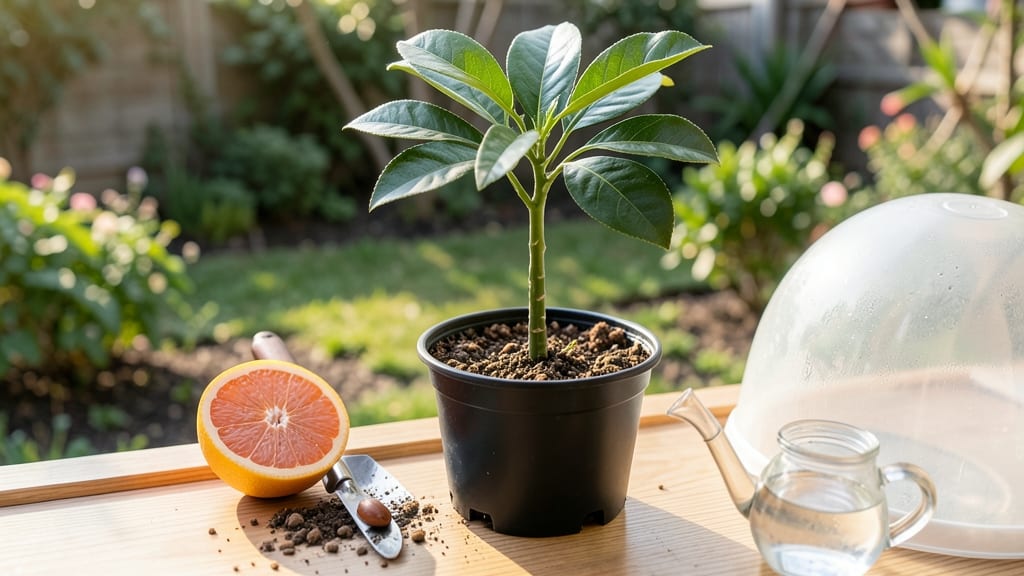
Growing a grapefruit tree from seed feels like holding a tiny piece of sunshine in your hands. 🌱 The journey starts with a single seed that could one day produce fruit—but the first 6 months are all about patience, not harvests.
I’ve grown citrus from seed before, and while the trees rarely match the parent’s flavor, there’s something magical about watching a tropical plant thrive in your own yard.
You’ll need just three things to begin: a fresh grapefruit seed, a small pot with drainage, and a sunny spot. The soil should be a mix of potting soil and perlite to keep roots happy, and a spray bottle for gentle watering.
Most seeds sprout within 2-4 weeks if kept warm (around 70°F), though some take longer—don’t rush it. The real test comes when the seedling develops its first true leaves, signaling it’s ready for a slightly larger home.
By month six, your seedling might stand a foot tall, but it’s still years from bearing fruit. That’s okay—focus on keeping it alive through winter (citrus hates cold drafts) and giving it bright, indirect light. The reward?
A lush, evergreen tree that smells like summer, even if the fruit never tastes like store-bought. Plus, you’ll learn exactly how citrus grows, which helps when you eventually plant a grafted tree for real harvests.
This method works best in zones 9-11, but container growers in colder areas can bring their tree indoors for winter. The key is consistency: water when the top inch of soil dries, fertilize lightly in spring, and protect from pests like aphids.
Slow growth is normal—citrus trees take their time. What you won’t get is a fruit tree overnight, but you will get a living piece of the tropics on your windowsill or patio.
📚 In This Guide
- What you need
- Instructions
- Tips and common mistakes
- Wrapping up and next steps
What you need
- ● Grapefruit seeds: 3–5 fresh, plump seeds (harvested from a ripe grapefruit). Pro tip: 💡 Use seeds from organic or seedless grapefruits for better germination.
- ○ Small pots or seed trays: 4–6 (4–6 inches deep) with drainage holes. Optional: Biodegradable pots for easy transplanting.
- ● Well-draining potting mix: A blend of 50% peat moss or coconut coir, 30% perlite or vermiculite, and 20% sand (sterilized).
- ● Spray bottle: For gentle watering.
- ● Plastic wrap or humidity dome: To retain moisture during germination.
- ○ Clear plastic bag or greenhouse: Optional, for creating a mini greenhouse effect.
- ● Grow lights or sunny windowsill: A south-facing window or LED grow lights (12–16 hours/day).
- ● Fertilizer (balanced, water-soluble): 10-10-10 NPK ratio (diluted to half-strength). Wait until seedlings have 2–3 true leaves!
- ● Pruning shears: Small, sharp pair for future trimming.
- ● Larger container (1–2 gallons): For transplanting seedlings after 3–4 months.
- ○ Seed germination aid: Like Rooting Hormone (optional but can speed up sprouting).
- ● Soil moisture meter: To monitor humidity levels.
- ● Citrus-specific fertilizer: Once the tree is established (6+ months old).
- ● Mulch (e.g., straw or bark): For insulating mature plants in cooler climates.
- ● Support stake: If your grapefruit tree grows tall indoors.
How to grow a grapefruit tree from seed
Here's the straightforward method I've used to grow strong citrus seedlings—no fancy tools needed.
🌱 Step 1: Extract and Prepare the Seed
Start with a fresh grapefruit—pick one with seeds that aren't shriveled or dried out. Cut the fruit in half and scoop out the seeds, then rinse them under cool water to remove any pulp. Place the seeds in a small bowl and cover them with lukewarm water for 24 hours. This softens the outer coating and speeds up germination.
After soaking, drain the water and let the seeds air-dry on a paper towel for 30 minutes. You'll notice the outer skin starts to wrinkle slightly—that's perfect. If the seeds feel damp but not soggy, they're ready for planting. I like to plant them within 6 hours of drying to avoid mold.
🪴 Step 2: Plant Seeds in a Well-Draining Mix
Fill a small pot—about 4-6 inches deep—with a mix of 50% potting soil and 50% perlite or coarse sand. This ensures excellent drainage, which citrus trees crave. Press the mix down lightly so it's firm but not compacted. Use your finger to make a hole about ½ inch deep for each seed.
Place one seed in each hole and cover it with a thin layer of soil, just enough to hide it completely. Gently pat the soil around the seed to secure it. Water lightly until the soil feels evenly moist but not soggy. You'll know it's right when water runs out the drainage hole but doesn't pool on the saucer.
☀️ Step 3: Provide Warmth and Indirect Light
Place the pot in a warm spot with bright, indirect light—think under a grow light or near a south-facing window with sheer curtain coverage. Citrus seeds need warmth to germinate, so if your home is cooler than 70°F, consider using a seedling heat mat. Germination usually takes 2-4 weeks, so patience is key.
Keep the soil consistently moist by watering every 2-3 days until you see the first signs of sprouting. Avoid letting the soil dry out completely, but don't overwater—citrus seeds rot easily in soggy conditions. Once the seedling emerges, remove any plastic wrap or dome you might have used to retain moisture.
🌿 Step 4: Transplant and Encourage Growth
When the seedling reaches about 4-6 inches tall and has developed 3-4 true leaves, it's time to transplant it into a slightly larger pot—around 6-8 inches deep. Use the same well-draining mix to fill the new pot. Gently remove the seedling from its original container, keeping as much of the root ball intact as possible, and place it in the center of the new pot.
Fill in around the roots with soil, pressing lightly to eliminate air pockets. Water thoroughly after transplanting and place the pot in a location with full sun for at least 6 hours a day. You'll notice new growth within 2-3 weeks if the conditions are right. This is the moment that matters: consistent sunlight and proper watering will determine how strong your grapefruit tree becomes.
⏰ Step 5: Maintain and Care for Your Seedling
Water your grapefruit seedling when the top 1-2 inches of soil feel dry to the touch. Citrus trees are drought-tolerant once established, but seedlings need steady moisture. Use room-temperature water to avoid shocking the roots. Fertilize lightly with a balanced citrus fertilizer every 4-6 weeks once the seedling is a few months old.
Watch for pests like aphids or spider mites, which love tender new growth. If you spot any, wipe the leaves with a damp cloth or use a mild insecticidal soap. With proper care, your grapefruit tree will grow into a sturdy plant ready for its first fruit in 5-7 years. Real talk: it won't produce fruit as quickly as a grafted tree, but the satisfaction of growing it from seed is worth the wait.
Tips & tricks for growing a grapefruit tree from seed
Here's what I've learned after growing several citrus trees from seed—these small details make all the difference.
The Soaking Secret: The 24-hour soak in lukewarm water is non-negotiable for breaking the seed's dormancy. I've tried shorter soaks, and germination rates drop dramatically. After soaking, I double-check the seeds feel damp but not wet—this prevents mold while keeping the outer coating pliable for planting. The wrinkling you see after 30 minutes of drying is your signal that the seed's ready to go in the soil.
Drainage is Everything: That 50/50 soil-perlite mix isn't just about drainage—it's about preventing root rot, which is the #1 killer of citrus seedlings. I always test my mix by squeezing a handful: if water drips out immediately, it's perfect. Pro tip: Add a handful of coarse sand to the bottom of your pot first to create an extra drainage layer before adding your soil mix.
Germination Timing: Those 2-4 weeks for germination can feel like forever, but here's what nobody tells you—the first sign of life often appears during the night. I keep a small flashlight by my growing setup so I can check without disturbing the seeds. Once you see that first tiny shoot, remove any plastic wrap immediately—condensation creates the perfect environment for mold.
Lighting Hacks: If you don't have a south-facing window, grow lights are your best friend. I use a simple LED bulb on a timer (12 hours on/off) placed about 6 inches above the seedlings. The key is keeping the light intensity consistent—citrus seedlings are sensitive to sudden changes in light exposure, which can cause leggy growth. Rotate your pot every few days to ensure even growth all around.
Pro Tips for Grapefruit Tree From Seed
- Here's what I've learned after growing several citrus trees from seed—these small details make all the difference.
- The Soaking Secret: The 24-hour soak in lukewarm water is non-negotiable for breaking the seed's dormancy. I've tried...
- Drainage is Everything: That 50/50 soil-perlite mix isn't just about drainage—it's about preventing root rot, which i...
Frequently asked questions
Got questions about growing a grapefruit tree from seed?
You’re not alone! Here are answers to the most common concerns—from patience to pitfalls—so you can turn that tiny seed into a thriving tropical treasure.
How long does it really take for a grapefruit seed to sprout?
A grapefruit seed typically sprouts within 1 to 3 weeks if kept in warm, moist conditions. Keep the soil consistently damp (not soggy) and place the pot in a sunny spot. Patience is key—some seeds take longer, especially if stored improperly before planting.
Will my seedling actually produce fruit, or is it just for decoration?
While it’s possible for a seed-grown grapefruit tree to bear fruit, it may take 5 to 10 years (or longer) and the fruit won’t match the parent’s quality. Seedlings are unpredictable—expect variations in size, color, and taste. For reliable fruit, grafted trees are the better bet!
What’s the best temperature for growing grapefruit from seed?
Grapefruit seeds thrive in warmth (70–90°F). If your climate dips below 50°F, grow your seedling indoors near a sunny window or under grow lights. Once established, young trees need protection from frost—consider a greenhouse or moving pots indoors during winter.
Can I use store-bought grapefruit seeds, or do I need organic ones?
Store-bought seeds work fine—just rinse them to remove any residue before planting. Organic seeds aren’t necessary unless you’re concerned about pesticides (unlikely for fruit seeds). The key is freshness: older seeds may take longer to sprout or not germinate at all.
What if my seedling grows tall but weak? How do I fix leggy stems?
Leggy seedlings mean they’re stretching for light. Move the pot closer to a bright window or use a grow light (12–16 hours/day). Pinch back the top growth to encourage bushier growth, and ensure the soil stays moist but well-draining. A little fertilizer (like diluted fish emulsion) can also help!
Should I transplant my seedling right away, or wait?
Wait until the seedling has 3–4 true leaves (not just the initial seed leaves) and is at least 6 inches tall. Transplant into a slightly larger pot with well-draining soil. Avoid disturbing the roots too soon—waiting ensures a stronger, more resilient plant for future moves.
Wrapping up and next steps
Growing a grapefruit tree from seed is a rewarding journey that blends patience, care, and a touch of tropical magic! 🌱 While it may take years to bear fruit, the process itself is a thrilling adventure in nurturing life from something as small as a seed.
Once you’ve mastered the basics—from germination to transplanting—you’re well on your way to cultivating your own citrus treasure.
Ready to take the next step? Start by potting your seedlings and giving them the love they deserve. Before you know it, you’ll be harvesting sweet, homegrown grapefruits—and maybe even sharing the joy with friends and family! 🍊✨