
Vegetables
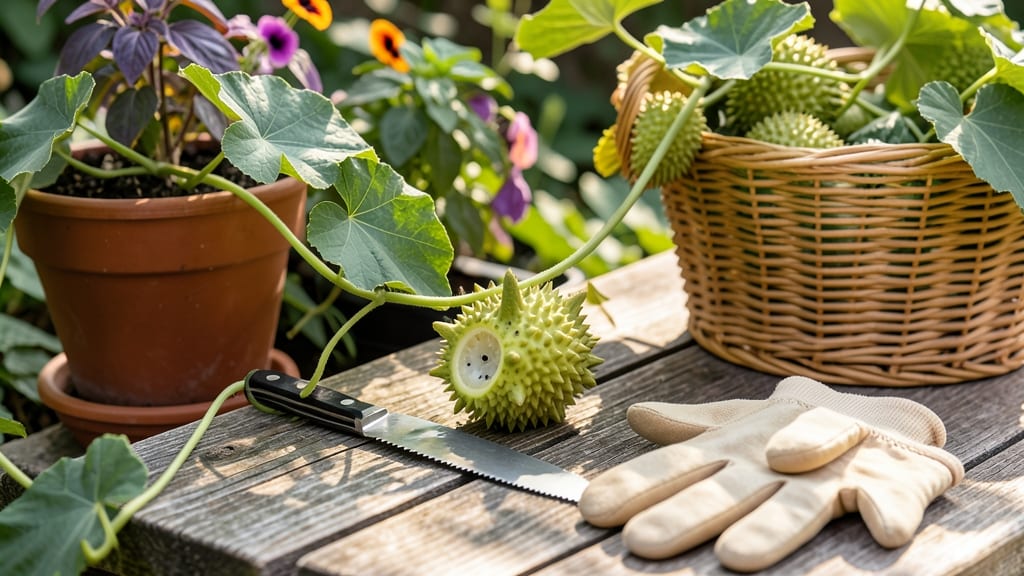
Those crisp green fruit with white inside and black seeds are the holy grail of backyard growing—kiwi vines produce them with the right care. 🌱 I’ve wrestled with these finicky plants for years, and now I’m sharing the exact tricks that finally gave me pound after pound of sweet, fuzzy-skinned kiwis—even in cooler climates.
The secret starts with sunlight: 6-8 hours of direct sun daily is non-negotiable, but kiwis also tolerate partial shade better than most tropical fruits.
Your soil needs to drain like a dream—amend heavy clay with compost and sand—and the vines crave rich, slightly acidic conditions (think 6.0-6.5 pH). Plant in early spring after the last frost, spacing vines 8-10 feet apart (they’ll sprawl like overenthusiastic toddlers).
Once established, these vines reward patience with vibrant green fruit that ripens in late fall to winter. Harvest when the skin softens slightly and the seeds darken—cut stems with pruners to avoid bruising.
The real magic? A single healthy vine can produce 50+ pounds of fruit per season if you prune aggressively in late winter to encourage new growth.
Common pitfalls? Birds stealing fruit (netting helps), powdery mildew (spray with neem oil), and poor pollination (hand-pollinate with a paintbrush if bees are scarce). With these fixes, you’ll go from “Why isn’t this working?” to “I’ve got more kiwis than I know what to do with.”
What Triggers Unripe Kiwi Traits
Understanding why some kiwi fruits remain green inside with white flesh and black seeds can help gardeners adjust their growing techniques for a sweeter, riper harvest. Several key factors contribute to this issue, often tied to the plant’s biology, environmental conditions, or cultivation mistakes.
Kiwi vines (Actinidia deliciosa or Actinidia chinensis) take 60–90 days from flowering to reach full ripeness, depending on the variety. Picking too early is the most common reason for green, underripe fruit.
- Why it happens: Kiwis rely on ethylene gas (a natural plant hormone) to trigger ripening.
If harvested before ethylene production peaks, the fruit lacks the sugars and soft texture needed for full maturity. - Actionable fix: - Wait until the fruit’s skin turns brown or golden (for fuzzy kiwi) or yellowish-green (for smooth kiwi). - Gently squeeze—ripe kiwis yield slightly to pressure (like a ripe avocado). - Use a refractometer (measures sugar content) to confirm ripeness; ideal Brix levels are 6–8% for sweetness.
Kiwi vines are cool-climate plants and require 200–600 chill hours (temperatures between 32–45°F/0–7°C) during dormancy to set fruit properly. Without enough sunlight or cold exposure, fruit development stalls.
- Why it happens:
- Low sunlight → Poor photosynthesis = less energy for sugar production.
- Inadequate chill hours → Disrupts flowering and fruit set, leading to small, underdeveloped fruit.
- Actionable fix:
- Plant kiwis in full sun (6+ hours/day) in zones 5–9 (or use greenhouses in warmer climates).
- If your region lacks chill hours, choose tropical kiwi varieties (Actinidia arguta) or use artificial chilling (e.g., refrigeration for 4–6 weeks in winter).
Kiwi vines are heavy feeders and need consistent moisture and nutrients to produce ripe fruit. Fluctuations in water or soil nutrients directly impact fruit quality.
- Why it happens:
- Underwatering → Fruit shrivels or stays hard and green.
- Overwatering → Root rot prevents nutrient uptake, leading to poor sugar development.
- Nitrogen-heavy soil → Encourages leafy growth but delays fruit ripening.
- Potassium or magnesium deficiency → Weakens cell walls, keeping fruit firm and unripe-tasting.
- Actionable fix:
- Water deeply 1–2 times per week (1–1.5 inches per week), keeping soil moist but not soggy.
- Test soil pH (ideal: 5.5–6.5) and amend with compost or well-rotted manure.
- Fertilize in stages:
- Spring (flowering): High-phosphorus (e.g., 5-10-10) to support fruit set.
- Summer (fruit development): Balanced NPK (e.g., 10-10-10) + potassium-rich supplements (like banana peel tea).
Kiwi vines are dioecious, meaning male and female flowers grow on separate plants. Without cross-pollination (usually by bees or wind), female vines produce small, seedless, or underdeveloped fruit.
- Why it happens:
- No male vine nearby → Female flowers drop or produce sterile fruit.
- Poor bee activity (e.g., pesticide use, early/late blooms) → Low fruit set.
- Actionable fix:
- Plant one male vine for every 5–6 female vines (e.g., ‘Tomuri’ male for ‘Hayward’ females).
- Avoid broad-spectrum pesticides during bloom (use neem oil or insecticidal soap instead).
- Hand-pollinate if bees are scarce: Use a soft paintbrush to transfer pollen from male to female flowers in the morning.
Kiwi vines thrive in moderate climates (60–80°F/15–27°C). Heatwaves or late frosts can disrupt fruit development, leading to green, astringent fruit.
- Why it happens:
- Heat stress (>90°F/32°C) → Ethylene production slows, sugars don’t develop.
- Late frost damage → Kills flowers or young fruit, reducing yield.
- Actionable fix:
- Mulch heavily (straw or wood chips) to regulate soil temperature.
- Provide shade cloth (30–50%) during peak summer if in a hot zone.
- Protect from frost with row covers or drip irrigation (releases heat as water freezes).
Fixing Kiwi Growth Issues
Now that you understand why your kiwi vines might be producing small, green fruits with white interiors and black seeds, it’s time to take action! The good news is that most of these issues are fixable with the right adjustments.
Below, we’ll map out practical solutions based on the root causes—plus prevention tips to keep your kiwi harvest thriving.
If your kiwis stay small and underdeveloped, pollination might be the culprit. Kiwi plants are either male or female, and even self-pollinating varieties need a little help sometimes.
How to Fix It:
✅ Hand-Pollinate Your Vines
- Use a soft paintbrush or cotton swab to transfer pollen from male flowers to female flowers.
- Best time: Morning, when flowers are open and pollen is fresh.
- Focus on young flowers (they’re more receptive).
✅ Plant a Male Kiwi Vine Nearby
- If you only have female vines, add a male kiwi plant (like Actinidia arguta or Actinidia deliciosa ‘Tomuri’).
- Distance matters: Plant males within 30–50 feet of females for optimal cross-pollination.
✅ Encourage Natural Pollinators
- Plant bee-friendly flowers (lavender, sunflowers, or borage) near your kiwi vines.
- Avoid pesticides—they can harm pollinators like bees and butterflies.
💡 Pro Tip: If you’re growing ‘Issai’ kiwis (self-fertile), hand-pollination still helps—especially in cool or rainy springs when bees are less active.
Kiwi vines need full sun (6–8 hours daily) to produce large, flavorful fruits. Shady spots lead to small, pale kiwis with poor development.
How to Fix It:
🔥 Prune Overhanging Branches
- Trim back trees, fences, or structures blocking sunlight.
- Aim for unobstructed sunlight from early morning to mid-afternoon.
🌿 Choose the Right Location
- If relocating isn’t an option, train vines on a trellis and position them to face south (in the Northern Hemisphere) or north (Southern Hemisphere).
🌡️ Use Reflective Surfaces (Temporary Fix)
- Place white plastic sheeting or mirrors near vines to bounce extra light onto leaves.
⚠️ Warning: Avoid plastic mulch—it can overheat roots. Stick to organic mulch (straw or wood chips) to retain moisture without burning plants.
Kiwi vines have deep roots but still need consistent moisture, especially during fruit development (summer to early fall).
How to Fix It:
👨🍳 Deep Watering Schedule
- Water deeply 1–2 times per week (instead of shallow daily watering).
- Soak the root zone (first 12–18 inches of soil) to encourage deep root growth.
💧 Drip Irrigation > Sprinklers
- Drip systems deliver water directly to roots, reducing evaporation and fungal risks.
- Water early morning to prevent fungal diseases.
🌧️ Mulch to Retain Moisture
- Apply 3–4 inches of organic mulch (straw, wood chips, or leaves) around the base.
- Keeps soil cool and moist while suppressing weeds.
🔥 Signs of Over/Under-Watering
- Too little water? Leaves curl, yellow, or wilt in heat.
- Too much water? Roots rot (check for mushy, dark soil).
Kiwi vines are heavy feeders, especially during flowering and fruiting. A lack of nitrogen, potassium, or zinc can stunt fruit growth.
How to Fix It:
📊 Soil Test First!
- Test your soil’s pH (6.0–7.0 ideal) and nutrient levels before fertilizing.
- Adjust lime (for acidic soil) or sulfur (for alkaline soil) as needed.
🌱 Balanced Fertilizer Plan
| Stage | What to Apply | When |
|---|---|---|
| Early Spring | 10-10-10 or 5-10-10 fertilizer | After pruning |
| Flowering | High-potassium (5-10-15) + Epsom salt | When buds appear |
| Fruiting | Compost or well-rotted manure | Every 4–6 weeks |
💡 Pro Tip: Kiwis love zinc—if leaves show interveinal chlorosis (yellow between veins), spray with zinc sulfate (1 tbsp per gallon of water).
Pests like kiwi vine borers, aphids, or fungal diseases (like powdery mildew) can weaken vines and reduce fruit quality.
How to Fix It:
🔪 Mechanical Pest Control
- Handpick aphids or spray with soapy water (1 tsp mild soap + 1 quart water).
- Remove damaged leaves to prevent borer infestations.
🌿 Natural Fungicide Sprays
- Neem oil (1 tsp + 1 quart water) – prevents mildew and soft rot.
- Baking soda spray (1 tbsp baking soda + 1 quart water + drop of soap) for powdery mildew.
✨ Preventative Care
- Prune for airflow (thin vines to reduce humidity).
- Rotate crops if growing kiwis in containers (avoids soil-borne diseases).
Once you’ve fixed the current issues, keep these habits to ensure large, juicy kiwis year after year:
- Plant in full sun (minimum 6 hours daily).
- Mulch heavily to retain moisture and regulate soil temp.
- Fertilize in stages (spring, flowering, fruiting).
- Hand-pollinate if needed (especially in cool climates).
- Monitor for pests early—act fast to avoid infestations.
- Prune annually to improve airflow and sunlight penetration.
By addressing these common kiwi growth issues with targeted fixes, you’ll be well on your way to harvesting plump, sweet kiwis with vibrant green flesh and plump black seeds—just as nature intended! 🍈✨
Frequently asked questions
What other fruits besides kiwi have green skin, white flesh, and black seeds?
If you’re looking for fruits that match this description, consider custard apples (like sugar apple or soursop) or cherimoya. Both have creamy white interiors, small black seeds, and a tropical green exterior. Another option is the sapodilla, though its seeds are brown. For a milder taste, try miracle fruit—it’s red but has white pulp and tiny black seeds!
Why do my kiwi fruits have white flesh instead of green?
Kiwi flesh turns white when it’s underripe or exposed to low light during growth. The vibrant green color comes from chlorophyll, which fades as the fruit ripens. If your kiwis lack sunlight (6+ hours daily) or are harvested too early, the flesh stays pale. For sweeter, green-fleshed kiwis, ensure full sun and wait until the skin softens slightly before picking.
Can I grow kiwi vines in containers? How big should the pot be?
Yes! Kiwi vines thrive in containers if given enough space. Use a pot at least 15–20 gallons (20+ inches deep) with drainage holes. Dwarf varieties like ‘Issai’ work best, as they stay compact (8–10 feet tall). Place the pot in full sun and fertilize monthly during growing season. Just be prepared to prune aggressively to control sprawl.
How do I know when kiwi fruit is ripe enough to eat?
Ripe kiwis yield slightly to gentle pressure (like a ripe avocado) and have a sweet, floral scent near the stem. The skin should soften and turn brown or golden (for fuzzy kiwi) or yellowish-green (for smooth kiwi). If picked too early, store them at room temperature for 1–2 weeks to ripen—never refrigerate until fully ripe.
Are kiwi seeds edible? Can I plant them to grow new vines?
Kiwi seeds are non-toxic but bitter—best to spit them out! While you can plant them, they’re slow to germinate (6–12 months) and may not grow true to the parent plant. For reliable vines, buy rooted cuttings or young plants from nurseries. If experimenting, soak seeds in water for 24 hours before planting in well-draining soil.