
Vegetables
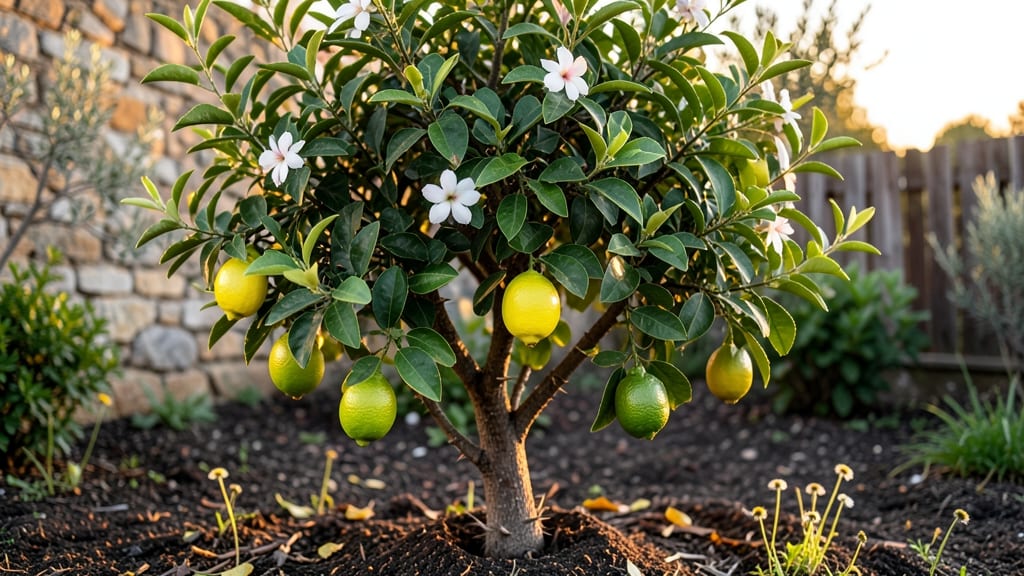
Growing green lemons at home means fresh, tangy fruit straight from your tree year-round. 🌿 I've learned that the key isn't just sunlight—it's the right balance of soil, water, and a little patience to coax those bright green fruits to stay productive.
My first tree took two years to bear, but now it's loaded with fruit that tastes better than anything from the store. The secret starts with well-draining soil and a sunny spot—at least 6 hours of direct light daily.
Most people overwater, which leads to root rot and dropped fruit. I water deeply every 3-4 days in summer, letting the top inch dry out between sessions. A balanced citrus fertilizer every 6-8 weeks keeps the tree happy and fruiting consistently.
You'll know they're ready to harvest when they're 3-4 inches wide and still firm to the touch. Green lemons stay fresh for weeks in the fridge, perfect for marinades, garnishes, or even baking.
The first harvest is the most exciting—it's like having your own mini orchard in a pot or the ground. Even experienced gardeners hit snags with pests like aphids or scale. I've found that neem oil and hose-down sprays keep them at bay without chemicals. The real magic?
A healthy tree will keep producing green lemons for decades with minimal effort. Let's get yours thriving!
📚 In This Guide
- What you need
- Instructions
- Tips and common mistakes
- Wrapping up and next steps
What you need
- ● Green lemon tree (Citrus limon 'Meyer' or 'Eureka' variety) – 1-3 plants (choose dwarf varieties for containers)
- ● Well-draining potting mix – 5-10 gallons (for containers) or enriched garden soil (for in-ground planting)
- ● Organic citrus fertilizer – Balanced (10-10-10) or citrus-specific (e.g., Espoma Citrus-Tone)
- ○ Slow-release fertilizer pellets – Optional but helpful for steady nutrition
- ● Mulch (straw or wood chips) – 2-3 inches to retain moisture and regulate soil temp
- ● Containers (if growing indoors/outdoors) – 15-25 gallon pots with drainage holes (for mature trees)
- ● Garden trowel or shovel – For planting and soil prep
- ● Pruning shears – Sharp, sterilized tools for shaping and harvesting
- ● Watering can or hose with gentle spray nozzle – Avoid over-saturating roots
- ○ pH testing kit – Optional but ideal (citrus thrives in 6.0–7.0 pH)
- ● Grow lights (LED, full-spectrum) – If growing indoors (12–16 hours/day)
- ● Sunlight access – 6+ hours of direct sunlight daily (south-facing window or greenhouse for indoor setups)
- ● Warm climate (zones 9–11) or controlled indoor environment – Green lemons hate frost (below 28°F/-2°C)
- ● Patience! – Trees take 2–5 years to bear fruit (dwarf varieties mature faster)
Step-by-step instructions for growing green lemon fruit trees
Here's how to nurture a thriving lemon tree that produces vibrant green fruit year-round.
🪴 Step 1: Select the Right Container and Soil Mix
Choose a 5-gallon pot with drainage holes for each tree—this gives roots room to establish while keeping the tree manageable. I use a blend of 60% premium potting mix and 40% coarse sand or perlite to prevent compaction. The sand keeps roots aerated, which lemons love.
Fill the pot halfway, then add a layer of orchid bark or coconut coir at the bottom. This improves drainage and mimics the tree's natural habitat. Press the mix down gently but don't compact it—you want fluffy soil that holds moisture without suffocating roots.
☀️ Step 2: Plant and Position for Optimal Light
Remove the lemon tree from its nursery pot and loosen the roots slightly if they're circling. Place it in the prepared container, ensuring the graft union (the bump where the top and rootstock meet) sits 1 inch above soil level. This prevents rot while allowing the tree to develop strong roots.
Set the pot in a spot with 6-8 hours of direct sunlight daily. A south-facing window works, but supplement with a grow light if natural light is weak. Watch for leaves turning yellow—this means too much water or not enough light. Adjust placement until leaves stay deep green and glossy.
💧 Step 3: Water and Fertilize for Consistent Growth
Water deeply once a week, letting 1 inch of water drain out the bottom. Stick your finger 2 inches into the soil—if it feels dry, water again. Overwatering is the #1 killer of lemon trees, so let the top 1-2 inches dry out between waterings.
Start fertilizing every 4-6 weeks with a balanced citrus fertilizer (10-10-10 or similar). I mix it into the top inch of soil rather than watering it in—this prevents root burn. You'll know it's working when new leaves appear every 2-3 weeks and the tree grows 6-12 inches per year.
✂️ Step 4: Prune and Encourage Fruit Production
Prune in late winter or early spring before new growth starts. Remove any dead, diseased, or crossing branches with clean, sharp pruners. Cut just above a leaf node at a 45-degree angle to encourage healing. This opens the canopy to sunlight, which is crucial for fruit development.
If your tree isn't fruiting after a year, try hand-pollinating flowers with a small brush. Dust the stamens of one bloom onto the pistil of another. Keep the tree in 65-85°F temperatures—cool drafts or sudden temperature drops can cause flowers to drop before fruiting.
🌱 Step 5: Harvest and Maintain for Year-Round Fruit
Green lemons are ready to pick when they're 2-3 inches wide and firm to the touch. Twist gently to avoid damaging the tree—if the fruit doesn't budge, wait another week. Harvest every 2-4 weeks as they ripen, and you'll encourage more production.
In winter, move the tree near a sunny window or under grow lights to maintain 12 hours of light daily. Reduce watering slightly but keep the soil slightly moist. With consistent care, your tree will keep producing luscious green lemons even in colder months.
Tips & tricks for growing vibrant green lemon trees
A few simple tricks that'll help your lemon tree thrive and produce fruit year after year.
Soil Mix Matters: The 60/40 blend of premium potting mix to coarse sand or perlite is crucial for healthy roots. I've found that adding a handful of worm castings to the mix gives your tree an extra nutrient boost right from the start. This improves drainage while providing essential microbes that help roots absorb nutrients more efficiently.
Graft Union Positioning: Keeping that graft union 1 inch above soil level might seem like a small detail, but it's vital for preventing rot. I once buried a graft too deep and lost my entire tree within weeks. The graft needs to stay dry and exposed to air to heal properly—this is where the tree's top growth connects to its root system.
Light Requirements: Those 6-8 hours of direct sunlight are non-negotiable for green lemon trees. If you notice leaves turning yellow, it's usually a sign of either too much water or insufficient light. I keep my trees on a rotating schedule near my south-facing windows, moving them every few weeks to ensure even exposure on all sides. In winter, supplement with grow lights to maintain that crucial 12-hour light cycle.
Pruning Secrets: When pruning in late winter, focus on creating an open canopy that lets sunlight reach all parts of the tree. I like to cut branches at a 45-degree angle just above a leaf node—this encourages new growth while preventing disease entry points. The goal is to shape the tree into a rounded form that maximizes sunlight exposure for fruit development.
Pro Tips for Green Lemon Fruit
- A few simple tricks that'll help your lemon tree thrive and produce fruit year after year.
- Soil Mix Matters: The 60/40 blend of premium potting mix to coarse sand or perlite is crucial for healthy roots. I've...
- Graft Union Positioning: Keeping that graft union 1 inch above soil level might seem like a small detail, but it's vi...
Frequently asked questions
Got questions about growing and using green lemon fruit? You’re not alone!
Here are answers to the most common queries—from timing to troubleshooting—so you can enjoy a bountiful harvest year-round.
When can I harvest green lemons, and how do I know they’re ready?
Green lemons are typically ready for harvest 8–12 months after planting, depending on your climate. Look for firm, glossy fruit that’s about the size of a golf ball—they’ll ripen further off the tree. For best flavor, harvest when they’re still slightly firm but yield to gentle pressure. Pro tip: Use a sharp knife to avoid damaging the tree, and leave a small stem attached to extend shelf life.
Can I grow green lemons indoors, or do they need outdoor conditions?
Yes! Green lemons thrive indoors with bright, indirect light (south-facing windows or grow lights work best). Place them near a sunny window or supplement with 12–14 hours of light daily. Keep temperatures between 60–80°F and ensure good airflow to prevent fungal issues. Troubleshooting: If leaves yellow, it’s often due to overwatering—let the top inch of soil dry out before watering again.
What’s the difference between green lemons and regular lemons?
Green lemons are simply unripe lemons—they’re tangier, less acidic, and have a sweeter, herbal note compared to fully yellow lemons. They’re perfect for salads, marinades, or cocktails where a milder flavor is desired. Let them ripen on the counter (1–2 weeks) for a brighter yellow hue and classic lemon taste. Fun fact: Many chefs prefer green lemons for their complex flavor!
How do I protect my green lemon tree in cold weather?
Green lemon trees (Citrus × limon) are tender perennials and can’t handle frost. If temps drop below 30°F, move potted trees indoors near a sunny window. For outdoor trees, mulch the base and wrap the trunk in burlap. In extreme cold, consider container growing so you can relocate the tree easily. Warning: Avoid sudden temperature swings, which stress the plant.
What are some easy alternatives if my green lemon tree isn’t producing fruit?
If your tree isn’t fruiting, check these common issues:
- Age: Young trees (under 3 years) may not produce fruit yet—be patient!
- Pollination: Hand-pollinate with a small brush if bees aren’t visiting.
- Light: Insufficient light stunts growth—move to a sunnier spot or add grow lights.
- Fertilizer: Use a citrus-specific fertilizer high in nitrogen (for leaves) and phosphorus (for fruit).
Quick fix: Try grafting a lemon variety onto your tree for faster results!
Wrapping up and next steps
Growing your own green lemon fruit is a rewarding journey that brings fresh, zesty flavors straight to your kitchen—and your table! With the right care, patience, and a dash of creativity, you can enjoy a year-round harvest of vibrant, tangy lemons.
Whether you’re a beginner or a seasoned gardener, the key is consistency, proper pruning, and a little love for your citrus tree.
Now that you’re armed with the secrets to thriving green lemon trees, why not take the next step? Start small—plant a single tree in a pot or your garden—and watch your citrus dreams bloom! Happy growing, and may your harvest be bountiful! 🌱🍋