
Propagation
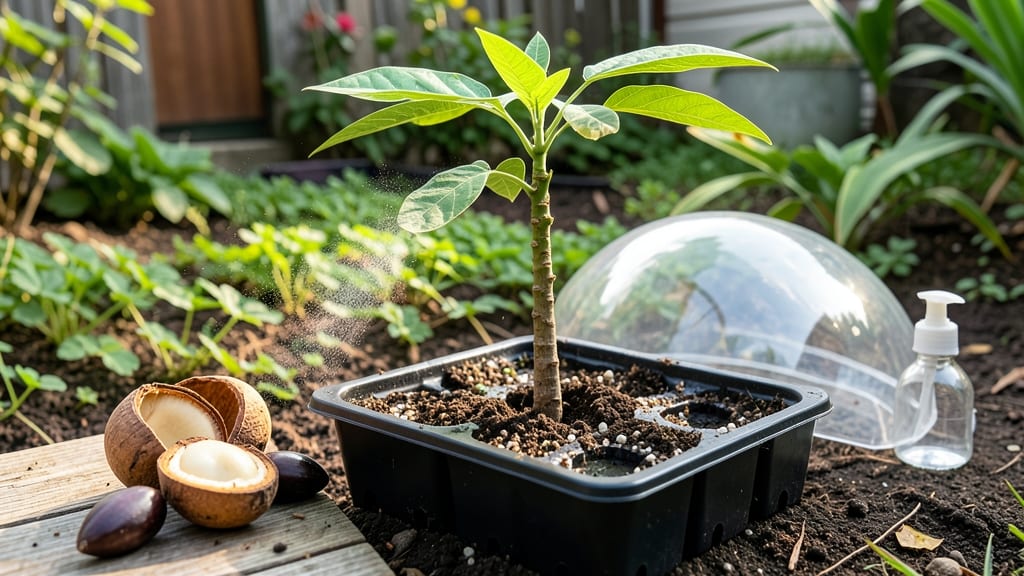
Growing a jackfruit tree from seed unlocks a tropical fruit future right in your yard. 🌿 I still remember the first time I cracked open a ripe jackfruit and thought, "Why not grow my own?"—now my backyard hosts a thriving young tree that’s already attracting curious neighbors with its massive leaves.
The secret starts with patience: these seeds can take 3-6 months to sprout, and the tree grows slowly at first. But once established, it rewards you with fragrant flowers and—eventually—those sweet, custard-like fruits.
The key is mimicking its tropical roots: warm soil, high humidity, and bright, indirect light from the start. You’ll know you’re doing it right when those first glossy leaves unfurl, signaling healthy growth.
Early on, watch for rot (too much water) or leggy seedlings (not enough light), but with consistent care, your jackfruit will outpace those challenges. By year three, you’ll be talking to your tree like I do—it’s that rewarding.
This isn’t just a plant; it’s a long-term project that turns your yard into a taste of the tropics. Let’s get those seeds started right!
📚 In This Guide
- What you need
- Instructions
- Tips and common mistakes
- Wrapping up and next steps
What you need
- ● Fresh jackfruit seeds – 1–3 (preferably from a ripe, organic fruit; avoid treated seeds).
- ● Well-draining potting mix – 1–2 gallons (use a blend of coconut coir, perlite, and compost for airflow).
- ● Small pots or seed trays – 3–4" diameter (biodegradable pots work too!).
- ● Spray bottle – For gentle watering (avoid over-saturating seeds).
- ● Clear plastic wrap or humidity dome – To create a mini greenhouse effect.
- ● Grow lights or sunny windowsill – 6+ hours of bright, indirect light daily.
- ● Fertilizer (balanced, water-soluble) – 10-10-10 NPK ratio (diluted to half-strength).
- ● Pruning shears – For shaping as your tree grows (sterilize with rubbing alcohol).
- ● Seed germination kit – Speeds up the process with heat mats (70–85°F ideal).
- ● pH testing kit – Ensures soil pH stays in the 6.0–7.0 range (jackfruit loves slightly acidic soil).
- ● Mulch (wood chips or straw) – Retains moisture and mimics tropical forest floors.
- ● Support stakes – For young trees (3–4 ft tall) to prevent toppling in wind.
- ● Humidifier – Boosts humidity if your climate is dry (jackfruit is a tropical diva!).
Step-by-step instructions for growing a jackfruit tree from seed
Here's how to turn a single seed into a thriving tropical tree with sweet, edible fruit.
🌱 Step 1: Select and Prepare the Seed
Jackfruit seeds are large and woody, so start with fresh seeds from a ripe fruit. Rinse the seed thoroughly under running water to remove any remaining fruit pulp, then let it dry completely for 24 hours. This prevents mold and rot during germination. I like to soak the seed in lukewarm water for 12 hours afterward—this softens the outer shell and speeds up sprouting.
Place the seed between two paper towels and wrap it loosely. Store it in a sealed plastic bag and keep it in a warm spot, like on top of your fridge. Check daily for moisture—you want the towels damp but not soggy. Germination usually takes 3-6 weeks, but be patient; some seeds take longer. You'll know it's ready when a small white root emerges from one end and a tiny sprout appears at the other.
🪴 Step 2: Plant the Germinated Seed
Fill a 6-inch diameter pot with well-draining potting mix—jackfruit hates soggy roots. Make a small hole in the center, about 1 inch deep, and place the germinated seed with the root pointing downward. Cover it lightly with soil, leaving the sprout above the surface. Gently press the soil around the seed to secure it without compacting it too tightly.
Water the pot until water drains from the bottom, then place it in a warm, sunny spot. Jackfruit seedlings need 70-80°F temperatures to thrive, so if your home runs cooler, consider using a seedling heat mat. Keep the soil consistently moist but never waterlogged—stick your finger in the soil up to your first knuckle; if it feels dry, it's time to water.
☀️ Step 3: Provide Optimal Light and Care
Once the seedling has its first true leaves (not the initial seed leaves), move it to a location with bright, indirect light. A south-facing window works well, but if your light is weak, supplement with a grow light for 12-14 hours daily. Jackfruit trees love humidity, so mist the leaves lightly every few days or place the pot on a tray filled with pebbles and water to create a humid microclimate.
Fertilize the seedling lightly every 4-6 weeks with a balanced, water-soluble fertilizer diluted to half strength. Avoid over-fertilizing—young jackfruit trees are sensitive to salt buildup. Watch for yellowing leaves, which can signal overwatering or nutrient issues. If you notice this, adjust your watering schedule and check the soil drainage.
🌿 Step 4: Transplant and Encourage Growth
When the seedling reaches 12-18 inches tall and has a sturdy stem, it's time to transplant it into a larger 10-inch pot. Choose a pot with drainage holes and fill it with a mix of potting soil and perlite or sand for better drainage. Gently remove the seedling from its current pot, loosen the roots if they’re circling, and place it in the new pot at the same depth it was growing before.
After transplanting, water thoroughly and place the pot in a spot with full sun exposure. If you're growing outdoors in a warm climate, you can plant it directly in the ground once it's at least 2 feet tall. Jackfruit trees grow fast, so give it plenty of space—mature trees can reach 60-100 feet tall in ideal conditions. Prune any leggy growth to encourage a bushier shape and stronger structure.
⏰ Step 5: Prepare for Long-Term Care
Jackfruit trees are tropical and need protection from frost. If you live in a cooler climate, grow it in a container and bring it indoors during winter or plant it in a sheltered microclimate. Water deeply when the top 2 inches of soil feel dry, but reduce watering in winter when growth slows. Fertilize monthly during the growing season with a balanced fertilizer to support its rapid growth.
With patience, your jackfruit tree can produce fruit in 5-7 years, though it may take longer depending on growing conditions. Keep an eye out for pests like aphids or scale insects, and treat them promptly with neem oil or insecticidal soap. The journey from seed to fruit is long, but the reward of harvesting your own tropical fruit makes it worth every step.
Tips & tricks for growing a thriving jackfruit tree from seed
Here's what I learned the hard way after struggling with my first few attempts—these tricks help you skip the common pitfalls.
The Seed Prep Secret: Don't rush the drying process after rinsing your seed. That 24-hour drying time is crucial for preventing mold, especially in humid conditions. I used to skip this step and ended up with moldy seeds every time. Pro tip: Place your seed on a paper towel in a warm, well-ventilated spot to speed up drying without risking moisture buildup.
Germination Boost: The 12-hour lukewarm soak is your best friend for breaking through that tough outer shell. I've found that using distilled water instead of tap water reduces mineral buildup that can inhibit sprouting. After soaking, give the seed a gentle rub with sandpaper on the more rounded side—this mimics natural wear and helps the sprout emerge faster.
Temperature Matters: Those 70-80°F requirements aren't just numbers—they're critical for consistent growth. If your home runs cooler, invest in a seedling heat mat ($10 at garden stores) for the germination stage. I've seen seeds take twice as long to sprout when kept below 70°F. Once your seedling has true leaves, maintain that warmth for at least 12-14 hours daily using a grow light if needed—this mimics tropical daylight conditions.
Transplanting Wisdom: When moving your seedling to that 10-inch pot, be gentle with the roots. I learned this after seeing my first transplant's roots break during removal. Use the "fluff and loosen" method: Gently squeeze the sides of the original pot to release the root ball, then separate any circling roots with your fingers. This prevents root shock and encourages faster establishment in the new pot.
Pro Tips for Growing Jackfruit Tree From Seed
- Here's what I learned the hard way after struggling with my first few attempts—these tricks help you skip the common pitfalls.
- The Seed Prep Secret: Don't rush the drying process after rinsing your seed.
- Germination Boost: The 12-hour lukewarm soak is your best friend for breaking through that tough outer shell.
Frequently asked questions
Got questions about growing a jackfruit tree from seed? You’re not alone—this tropical fruit is exciting but comes with unique challenges! Below, we’ve rounded up the most common questions (and answers) to help you grow with confidence.
How long does it take for a jackfruit seed to germinate?
A jackfruit seed typically germinates in 2–4 weeks if kept in warm, moist conditions (70–85°F). Patience is key—some seeds take up to 6 weeks, especially if stored or chilled. Soak seeds overnight before planting and maintain humidity with a plastic bag or propagator to speed things up!
Can I grow a jackfruit tree indoors?
While possible, jackfruit trees thrive outdoors in tropical or subtropical climates (USDA Zones 10–11). Indoors, they’ll grow slowly and may never fruit due to limited sunlight (6+ hours daily) and space. If you must try it, place near a south-facing window or under grow lights, but expect a dwarf, decorative plant.
When will my jackfruit tree produce fruit?
Jackfruit trees grown from seed are slow to bear fruit—expect 5–10 years (or longer) before harvesting. For faster results, graft a fruiting variety onto your seedling. Even then, climate, care, and luck play a role! Patience pays off with huge, sweet rewards—think 80+ pounds of fruit!
What if my jackfruit seed sprouts but the seedling dies?
Seedling death is common due to overwatering, pests, or transplant shock. Keep soil moist but well-draining, avoid cold drafts, and use a fungicide if mold appears. If the stem rots or wilts suddenly, check for root rot or aphids. Start over—jackfruit seeds are cheap, and success improves with practice!
Are there faster alternatives to growing from seed?
Yes! For faster fruiting, buy a grafted jackfruit tree (2–3 years to fruit) or propagate from air layering a branch from a mature tree. Seed-grown trees are fun for experimentation but take decades to match the productivity of grafted varieties. Consider your goals—patience vs. speed!
Wrapping up and next steps
Growing a jackfruit tree from seed is a rewarding journey that brings a taste of the tropics right to your backyard!
With patience, the right conditions, and a little care, you’ll soon enjoy the sweet, versatile fruit of your labor. Start small—plant that seed today—and watch your tropical dream take root!
Ready to take the next step? Research local climate zones to ensure your young tree thrives, or explore grafting techniques for faster fruiting. Happy growing! 🌱✨