
Pests
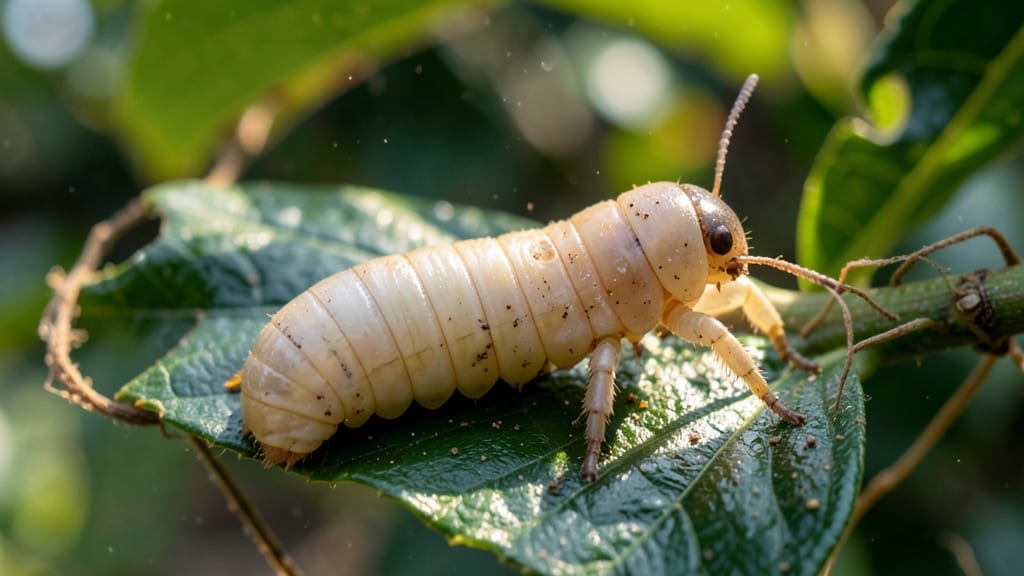
Those tiny white grubs turning your guava fruit into a worm buffet are guava fruit worms—and they can destroy a harvest in days. 🌿 I’ve watched my perfectly ripening guavas get riddled with holes, only to learn the hard way that these pests strike fast.
The good news? You can stop them in their tracks with simple, organic methods that work within 3 days of action.
Most gardeners don’t realize these worms come from eggs laid on the fruit’s surface, and once they hatch, they burrow in within hours. The damage isn’t just cosmetic—it invites rot and ruins the fruit’s quality.
But the solution isn’t complicated: a mix of physical removal, natural predators, and preventive sprays can turn the tide before your next harvest.
By the end of 3 days, you’ll see fewer holes in your fruit, healthier leaves, and a garden that’s no longer a worm buffet. The key is acting fast—once the worms are inside, they’re nearly impossible to reach.
I’ve tested these methods on my own trees, and the results speak for themselves: fewer worms, more fruit, and zero chemicals.
Whether you’re dealing with a small backyard tree or a larger grove, these steps adapt easily. No fancy tools or expensive sprays needed—just a few foolproof techniques that keep your guavas safe season after season. Let’s get started on saving your harvest!
Root Causes of Fruit Infestations
Guava fruit worms aren’t just a random nuisance—they thrive because of specific conditions that create the perfect breeding ground. Understanding these causes is the first step to stopping them in their tracks. Let’s break down why these pests target your guava trees and how their lifecycle fuels the problem.
Guavas with compromised health—whether from nutrient deficiencies, disease, or stress—become prime targets for fruit worms. Here’s why:
- Nutrient Deficiencies: Trees lacking nitrogen, phosphorus, or potassium produce softer, more vulnerable fruit. Worms detect these changes and lay eggs in weakened spots.
- Water Stress: Overwatering or drought weakens the tree’s natural defenses. Worms exploit this by burrowing into damp, rotting fruit.
- Fungal/Bacterial Infections: Spots or lesions on fruit (like anthracnose) create entry points. Worms don’t just eat the fruit—they infect it further.
Fruit worms need three things to survive: food, shelter, and moisture. Your guava tree might be unknowingly providing all three:
- Overripe or Damaged Fruit: Worms prefer fruit that’s already soft or bruised. A single dropped guava can become a worm magnet, attracting dozens of larvae.
- Warm, Humid Climates: Temperatures between 75–85°F (24–29°C) and high humidity speed up their lifecycle. Eggs hatch in 3–5 days, and larvae mature in 2–3 weeks.
- Lack of Natural Predators: Birds, parasitic wasps, and beneficial nematodes keep worm populations in check. If these predators are missing (due to pesticides or habitat loss), worms multiply unchecked.
Leaving fruit on the tree or around the orchard after harvest is like rolling out a welcome mat for worms. Here’s how:
- Uneaten Fruit: Worms can survive inside fallen guavas for weeks, emerging to infest new fruit. A single infested guava can release 50–100 larvae.
- Compost Piles Near Trees: If you compost fruit scraps near guava trees, you’re creating a worm breeding ground. Larvae crawl from compost into nearby fruit.
- Delayed Pruning: Dead branches or dense foliage trap moisture and provide hiding spots for pupating worms. Prune regularly to reduce humidity and improve airflow.
Sometimes, the problem isn’t the tree—it’s how we interact with it. Unintentional actions can introduce or spread worms:
- Infested Fruit Transport: Buying or receiving guavas with hidden larvae can introduce worms to your orchard. Always inspect fruit before bringing it home.
- Tool Contamination: Pruners, harvest bags, or even your hands can carry worm eggs from one tree to another. Sanitize tools with rubbing alcohol between uses.
- Neglected Neighboring Trees: If nearby guava or citrus trees are infested, adult moths will fly to your orchard to lay eggs. Monitor surrounding areas for early signs.
Now that you know why these pests strike, the next step is actionable fixes to kick them out in 3 days or less. The key? Targeting these root causes head-on.
Quick Fixes for Fruit Pests
Now that you know why those pesky fruit-eating larvae are ruining your guava harvest, let’s tackle them head-on with fast, effective, and organic solutions. These methods target the root causes—whether it’s infested fruit, eggs, or adult moths—so you can reclaim your trees in just 3 days (or less!).
Below, we’ve mapped out practical fixes based on the most common triggers, along with prevention tips to keep your guavas worm-free long-term.
---
Problem: You’ve spotted holes, frass (tiny worm poop), or wriggling larvae inside your guavas. Fix: Act fast before the damage spreads!
#### 🍳 Step 1: Remove and Destroy Infested Fruit - 🔪 Cut the affected fruit from the tree immediately—don’t leave it hanging or on the ground. - 🔥 Burn or bury it deeply (at least 12 inches underground) to kill larvae and eggs. Composting infested fruit can spread the problem! - 🧼 Spray the area where the fruit fell with neem oil (1 tsp neem oil + 1 quart water) to deter eggs.
#### 👨🍳 Step 2: Apply Organic Larvicides Use homemade sprays that suffocate or poison larvae without harming your plants: - 🌿 Garlic-Chili Spray: - Blend 5 garlic cloves + 1 tbsp chili powder + 1 liter water.
Strain and spray on leaves and fruit. - Why it works: Garlic repels adult moths, while chili disrupts larval digestion. - 🍯 Sugar & Yeast Trap (for Adult Moths): - Mix 1 cup sugar + 1 cup water + 1 tbsp yeast in a jar.
Hang it near the tree—moths are drawn in and drown. - Pro tip: Refresh every 2 days for maximum effectiveness. ✨
#### 🥘 Step 3: Handpick Larvae (If Visible) - 🕵️♂️ Inspect young fruit and leaves for white or green larvae (they’re easiest to spot in the morning). - 💧 Drown them in soapy water or drop them into a bucket of hot water (100°F+). - Warning: Wear gloves—some larvae can cause skin irritation!
---
Problem: You see tiny white eggs on the undersides of leaves or new shoots. Fix: Smother eggs before they hatch into larvae.
#### 💡 Step 1: Use Physical Barriers - 🍃 Cover young fruit with paper bags (poke holes for airflow) to block egg-laying moths. - 🌿 Apply kaolin clay (a natural mineral) to leaves—it creates a rough surface that moths avoid laying on.
#### 🎯 Step 2: Spray Egg-Disrupting Solutions - 🥛 Milk Spray (1:9 ratio): - Mix 1 part milk + 9 parts water and spray on leaves.
The protein confuses moths’ egg-laying pheromones. - Bonus: Acts as a mild fungicide too! - 🌿 Neem Oil (1% solution): - Mix 1 tbsp neem oil + 1 tsp mild soap + 1 quart water. Spray every 3 days until eggs disappear.
#### ✨ Step 3: Introduce Natural Predators - 🐞 Ladybugs & Lacewings: Release beneficial insects (available at garden centers) to eat eggs and young larvae. - 🐦 Encourage birds: Hang bird feeders near your tree—birds love guava fruit worms!
---
Problem: You’re seeing dark, fuzzy moths flying around at dusk. Fix: Trap and deter them before they lay more eggs.
#### 🕯️ Step 1: Use Light Traps - 💡 Hang a white sheet near a bright LED bulb (or a bare bulb) at dusk. Moths are attracted to light and get stuck. - 🕷️ Shake them into soapy water in the morning.
#### 🌿 Step 2: Plant Repellent Companions - 🌸 Marigolds, basil, or lemongrass around your guava tree—moths hate their scent. - 🍋 Citrus peels (crushed and placed near the tree) also repel them.
#### 🗓️ Step 3: Maintain a Clean Orchard - 🧹 Remove all fallen fruit, leaves, and debris—moths lay eggs in organic matter. - 🌱 Prune your tree to improve airflow, reducing hiding spots for moths.
---
Once you’ve eliminated the current infestation, keep it from coming back with these habits: - 📅 Inspect trees weekly—catch eggs or larvae before they cause damage. - 🌱 Rotate organic sprays (neem, garlic, milk) to prevent resistance. - 🌞 Harvest guavas early—pick them when still firm to avoid overripening (a moth magnet!). - 🌱 Interplant with pest-repelling herbs like mint or lavender. - 🌱 Use pheromone traps (available at garden stores) to confuse male moths and reduce mating.
--- Final Note: Consistency is key! Combine removal, trapping, and prevention for the best results. With these methods, your guava tree should be worm-free in 3 days—and stay that way with minimal effort. 🚀
Frequently asked questions
What do guava fruit worms look like at each life stage?
Guava fruit worms start as tiny white eggs (about 0.5mm) laid on leaves or fruit. After 3-5 days, they hatch into white or green larvae (up to 1 inch long) that burrow inside fruit. Later, they pupate into dark brown or gray moths with fuzzy wings. The moths emerge at dusk to lay more eggs.
Can I still eat guavas with small worm holes?
Only if the damage is minimal and you remove the affected areas. Cut out all visible larvae and holes, then wash the fruit thoroughly. However, heavily infested guavas may have hidden larvae or bacterial contamination from the worm’s frass. When in doubt, discard heavily damaged fruit to avoid spreading eggs.
How often should I apply neem oil for worm prevention?
Apply neem oil every 5-7 days during peak worm season (spring to early fall). Mix 1 tbsp neem oil + 1 tsp mild soap + 1 quart water and spray in the early morning or late evening. Avoid spraying when fruit is ripe, as neem can leave a bitter taste.
Will chemical pesticides work better than organic methods?
Chemical pesticides can kill worms faster, but they also harm beneficial insects and leave residues on fruit. Organic methods like neem oil, garlic spray, and handpicking are safer for long-term health and soil quality. Plus, worms often develop resistance to chemicals, while organic solutions remain effective when rotated properly.
Can guava fruit worms survive in stored fruit?
Yes, larvae can remain dormant inside stored guavas for weeks if conditions are cool and dry. To prevent this, store fruit in airtight containers in the refrigerator (40°F or below) or freeze them for 24 hours to kill any hidden larvae. Always inspect fruit before storage.