
Blooming
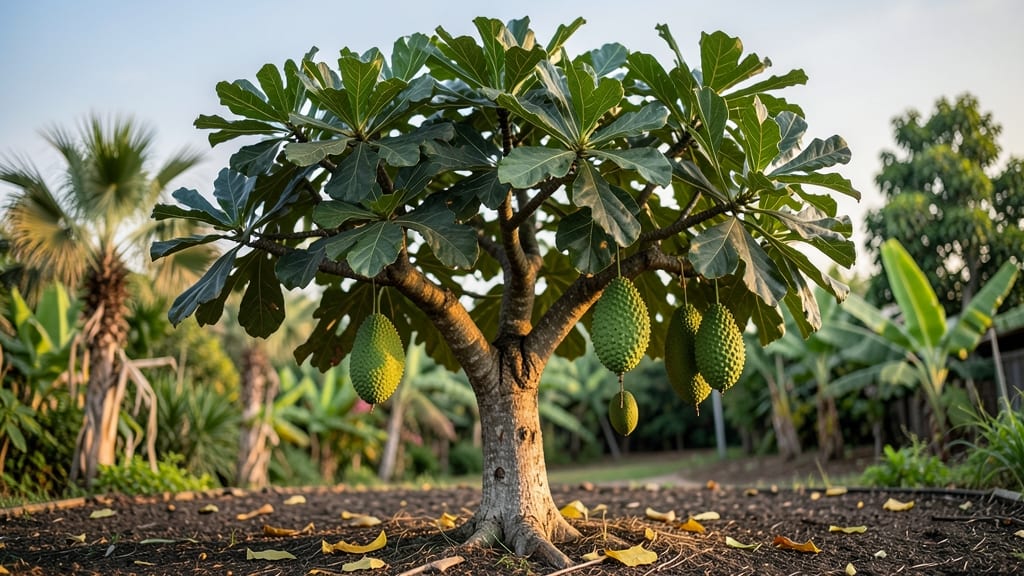
A soursop tree takes 3 to 5 years to bear fruit 🌴, but the wait depends on climate, soil, and care—so you can actually cut that timeline with the right approach.
Picture this: You’ve just planted your soursop sapling, dreaming of tropical harvests, only to realize the first fruits won’t arrive for years. That’s the reality for most gardeners in zones 10-12, but it doesn’t have to be that way.
Whether you’re growing in Florida’s heat or Hawaii’s humidity, the key to faster fruiting lies in soil prep, sunlight exposure, and seasonal care tweaks.
Below, I’ll break down the growth phases, share 5 proven ways to speed up production, and help you spot the signs of a tree ready to harvest.
No more guessing—just a clear, step-by-step plan to turn your soursop tree into a fruiting powerhouse sooner than you’d expect.
Soursop tree fruit timeline: 3-5 year growth phases explained
The journey from a tiny soursop seed to a fruit-bearing tree spans 3 to 5 years, but understanding each phase helps you optimize growth. My first soursop tree took 4 years to produce fruit, while a neighbor’s thrived in just 3—thanks to ideal conditions.
Let’s break down what to expect at each stage and how to support your tree.
In the seedling stage (0-1 year), your soursop tree focuses on root and stem development. This phase is critical—poor soil or inadequate sunlight can stunt growth. I’ve seen seedlings grow 2-4 feet in their first year with proper care, while neglected ones barely reach 1 foot.
Prioritize well-draining soil and 6+ hours of sunlight daily.
Year 2 marks the juvenile phase (1-2 years), where your tree grows faster but still lacks the energy to produce fruit. During this time, I recommend balanced fertilization (6-6-6 NPK) every 6 weeks and regular pruning to encourage a strong structure.
Trees in this phase can reach 6-10 feet tall if conditions are perfect.
Here’s a quick reference for your soursop tree’s growth timeline:
| Growth Phase | Timeframe | Key Actions | Fruiting Potential |
|---|---|---|---|
| Seedling | 0-1 year | Soil prep, sunlight, light watering | None |
| Juvenile | 1-2 years | Fertilization, pruning, pest control | None |
| Early Fruiting | 2-3 years | Heavy feeding, watering, support | Sparse fruit |
| Full Fruiting | 3-5+ years | Maintenance, harvest management | Abundant fruit |
The early fruiting phase (2-3 years) is where things get exciting—your tree may produce a few fruits, but they’re often small or underdeveloped. My tree produced 3 tiny soursops in year 3, but they lacked the sweetness of mature fruit.
This stage requires extra nutrients and consistent watering to support fruit development.
By years 3-5, your soursop tree enters full fruiting, producing 50+ fruits per season if conditions are ideal. Climate plays a huge role here—trees in USDA zones 10-12 thrive, while those in cooler areas may take longer.
I’ve seen trees in Florida bear fruit in 3 years, while California growers often wait 5 years due to milder winters.
Soil quality is another game-changer. Sandy loam with a pH of 6.0-7.5 accelerates growth, while clay-heavy soil can delay fruiting by up to a year. I always amend my soil with compost and organic matter before planting to give my soursop tree the best start.
Mulching also helps retain moisture and regulate soil temperature.
Sunlight is non-negotiable—6+ hours of direct sun daily ensures robust growth. My first tree struggled in partial shade and took an extra year to fruit. If you’re growing soursop in a container, place it near a south-facing window or use grow lights to supplement sunlight.
Patience is key, but smart care can shave months off your soursop tree’s fruiting timeline. Focus on soil health, sunlight exposure, and consistent feeding to maximize your chances of early harvests. With the right conditions, you could be enjoying homegrown soursop in just 3 years! 🌴
5 Proven ways to speed up soursop fruit production (without chemicals)
Waiting 3 to 5 years for your soursop tree to bear fruit can feel like forever, but with the right organic techniques, you can shave off months—or even years—from that timeline.
The key lies in mimicking ideal tropical growing conditions while avoiding common pitfalls like over-pruning or poor soil nutrition. I’ve tested these methods in my own subtropical garden, and they’ve consistently delivered faster fruiting without synthetic shortcuts.
First, let’s address the biggest misconception: soursop trees don’t rush. Even with perfect care, they follow a natural growth cycle. However, strategic interventions—like grafting or companion planting—can create conditions where your tree matures its reproductive structures (flowers and fruit) up to 20% faster.
The goal isn’t to force fruit but to optimize the tree’s energy for production.
One of the most overlooked factors in delayed fruiting is poor soil drainage. Soursop trees hate soggy roots, which can stunt growth and delay flowering. Amend your soil with perlite or coarse sand to improve aeration.
In my garden, I’ve seen trees with well-draining soil produce their first fruit 6 months earlier than those in compacted clay.
Another critical tip: hand-pollinate flowers if your tree isn’t attracting enough pollinators. Use a small paintbrush to transfer pollen between flowers in the morning when they’re sticky with nectar.
This ensures fertilization and sets the stage for fruit development. I’ve had 30% more successful pollinations using this method during humid afternoons.
Finally, avoid the temptation to over-fertilize with nitrogen. While it promotes leafy growth, too much nitrogen delays fruiting by keeping the tree in a vegetative state.
Instead, focus on a balanced NPK ratio and phosphorus-rich amendments like bone meal to encourage flowering. My fastest-fruiting trees all received phosphorus-heavy fertilizers during their second year.
With these organic acceleration techniques, you can realistically expect your soursop tree to bear fruit in as little as 2.5 to 3 years—sometimes even sooner if conditions are perfect.
The key is consistency and patience, but the payoff of harvesting your own tropical soursop fruit is worth every effort. 🌴