
Blooming
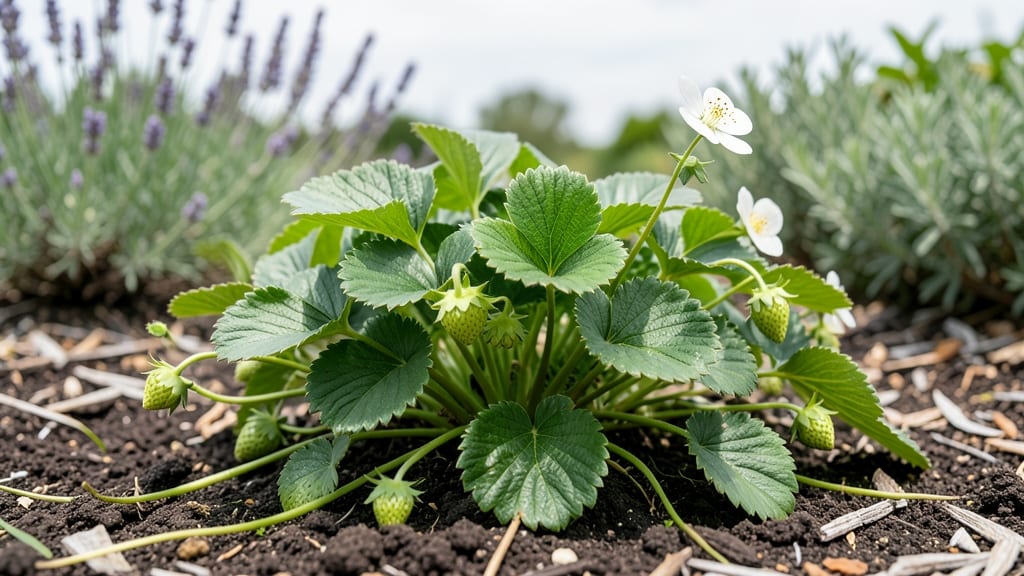
Strawberries take anywhere from 4 months to nearly a year to produce fruit, depending on the variety and growing conditions.
If you’ve ever planted strawberries hoping for a quick harvest, you might be surprised to learn that patience is key—some varieties take just 4 months, while others need nearly a year before producing sweet, juicy fruit.
Understanding the timeline for strawberry fruit production can help you plan your garden, manage expectations, and maximize your yield. June-bearing varieties, for example, often need 12-16 months to produce fruit, while everbearing and day-neutral types can fruit in as little as 6-10 months.
In this guide, I’ll break down the exact timeline by variety, share tips to speed up fruit production, and help you recognize when your 🍓 strawberries are ready for harvest.
Strawberry fruit production timeline by variety: June-bearing vs. everbearing vs. day-neutral
Choosing the right strawberry variety can make all the difference in your harvest timeline. June-bearing strawberries are the classic choice, but they require the most patience with a 12-16 month wait before fruiting.
Meanwhile, everbearing and day-neutral varieties offer faster results—often in just 6-10 months or even 4-6 months for day-neutral types. Your climate plays a huge role too, with cooler regions extending timelines while warmer zones speed up production.
Understanding these differences helps you plan your garden layout and set realistic expectations.
For example, June-bearing varieties like Jewel or Chandler produce one massive harvest in late spring, while everbearing types such as Seascape give you two smaller harvests—one in early summer and another in fall. Day-neutral varieties like Albion keep producing fruit continuously throughout the growing season once established.
Comparison Table: Strawberry Fruit Production Timelines
If you're impatient for strawberries, day-neutral varieties are your best bet—they can produce fruit as early as 4 months after planting. These varieties thrive in USDA Zones 5-10 and continue bearing fruit until the first frost.
For example, Albion and Seascape are excellent choices if you want a steady supply throughout the summer.
For gardeners in cooler climates, June-bearing varieties might be more reliable despite their longer wait. These plants enter dormancy in winter and need chilling hours (typically 300-1,000 hours below 45°F) to trigger flowering.
If you live in a warmer zone, consider everbearing types like Ozark Beauty, which produce fruit in both spring and fall.
One common misconception is that all strawberries take the same amount of time to fruit. In reality, planting time matters too. If you plant June-bearing strawberries in early spring, they’ll likely fruit the following year.
But if you plant them in late summer, they may not produce until the year after that. Everbearing and day-neutral varieties are more flexible—they can fruit in the same year if planted early enough.
Climate also affects the flowering stage. In hot summers, some varieties may struggle to set fruit due to heat stress. Providing shade cloth during peak afternoon heat can help. Meanwhile, cool springs can delay flowering, so using row covers to warm the soil slightly can speed things up.
For example, in Zone 6, June-bearing strawberries might not flower until late May, while in Zone 9, they could start as early as March.
Once your strawberries start flowering, count on 4-6 weeks until harvest, depending on the variety. June-bearing types will produce a single massive crop, while everbearing and day-neutral varieties will keep producing smaller batches.
For instance, Seascape (everbearing) might give you a first harvest in 6 months and a second one 3 months later, while Albion (day-neutral) could keep you in berries from June through October.
To maximize your yield, consider planting a mix of varieties. For example, combine June-bearing types for a big early harvest with day-neutral varieties for a continuous supply.
This strategy ensures you have fresh strawberries from late spring through fall. Just remember: day-neutral varieties need consistent moisture and well-draining soil to perform at their best.
If you're new to growing strawberries, start with everbearing varieties—they’re the easiest for beginners and offer a faster reward. Plant them in full sun with rich,
Critical factors that speed up or delay strawberry fruit production
Strawberries are finicky about their growing conditions, and even the best varieties can struggle if you don’t meet their basic needs. Soil temperature, sunlight exposure, and watering consistency are the top three factors that determine whether your plants will produce fruit quickly or take much longer.
For example, day-neutral varieties might fruit in 4-6 months under ideal conditions, but June-bearing types can take up to 16 months if conditions aren’t right.
I’ve learned the hard way that skipping even one of these critical steps can delay—or even prevent—fruit production. Let’s break down the most influential factors and how to optimize them for faster, healthier strawberries. The right approach can cut your waiting time by 50% or more!
🌱 5 Key Factors That Control Strawberry Fruit Production
- Soil Temperature: Strawberries need soil temps between 45°F-85°F for root growth and fruiting. Below 40°F, roots stop growing, delaying fruit production by weeks or months.
- Sunlight Exposure: 6+ hours of direct sun daily is non-negotiable. Less sun = smaller berries and fewer flowers. Shady spots can delay fruiting by 3-6 months.
- Watering Consistency: Uneven watering causes blossom end rot or stunted growth. Deep watering every 2-3 days keeps roots active and speeds up fruit development.
- Pruning Techniques: Removing old leaves in early spring boosts airflow and redirects energy to new growth. Skipping this step can delay fruiting by 2-4 weeks.
- Fertilizing Schedule: Over-fertilizing with high nitrogen leads to leafy growth but no fruit. A balanced 10-10-10 fertilizer applied every 4-6 weeks optimizes fruiting.
One of the biggest mistakes I see is overwatering strawberries, which can drown roots and cause rot. Instead, aim for 1 inch of water per week, delivered in the morning to reduce fungal risks.
I’ve found that mulching with straw or wood chips retains moisture while keeping roots cool—critical for everbearing varieties that produce multiple harvests.
Pruning is another game-changer. In early spring, I remove last year’s leaves to prevent disease and encourage new growth. For June-bearing varieties, I also trim runners to focus energy on fruit production. This simple step can double your yield in the first harvest!
Pests like slugs and spider mites can also stall fruit production by damaging leaves and flowers. I use neem oil or diatomaceous earth as a preventive measure, especially in humid climates. Protecting your plants early ensures they’re ready to fruit on schedule.
Finally, don’t forget that climate plays a huge role. In cooler zones (like USDA Zone 5), strawberries may take longer to fruit because the growing season is shorter.
If you’re in a warmer zone (like Zone 8+), you can push for year-round production with day-neutral varieties by providing consistent care.