
Fertilization
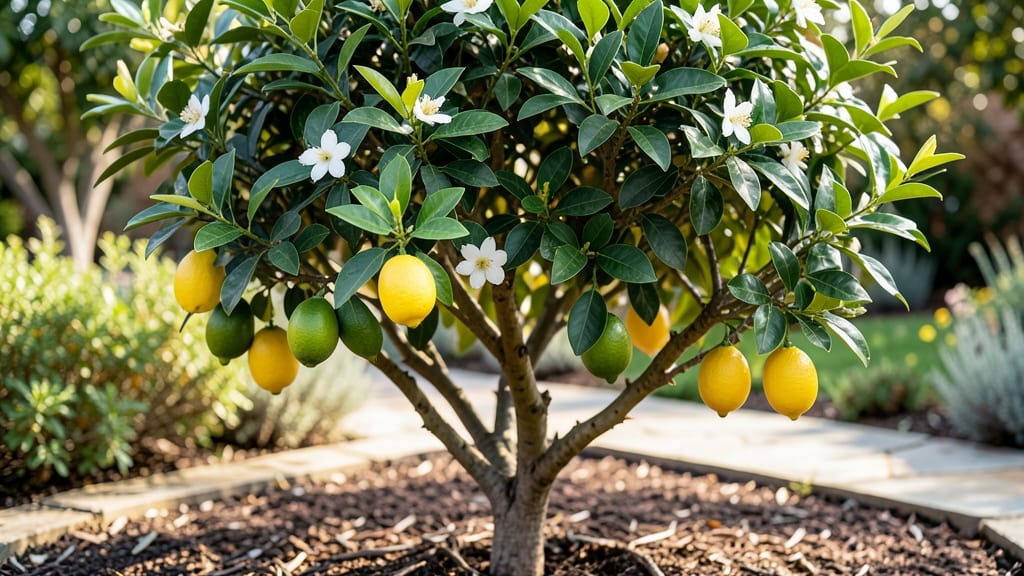
Bananas are not citrus fruits—they belong to the Musa genus in the Musaceae family, while citrus fruits fall under the Rutaceae family. Their sweet flavor and tropical origins often lead to confusion, but botanically, they share no direct relation to oranges, lemons, or grapefruits.
This confusion stems from their shared tropical origins and similar sweet profiles, but their botanical families couldn't be more different. 🌱 Bananas develop from a single flower cluster with seeds embedded in the flesh (though most commercial varieties are seedless), while citrus fruits grow from multiple flowers and contain segmented, juicy vesicles.
The Musaceae family also includes plantains, which are closer botanical relatives to bananas than citrus trees ever could be.
What's even more interesting is how marketing and grocery store layouts reinforce this mix-up. Many people assume bananas belong in the produce section near oranges and lemons because of their similar storage needs—both thrive in warm, humid conditions.
However, botanists classify them separately because their genetic makeup, growth patterns, and even their nutritional profiles differ significantly. For example, bananas are packed with potassium and vitamin B6, while citrus fruits are rich in vitamin C and flavonoids.
💡 In This Article
- Botanical Classification: Bananas vs Citrus Fruits
- Why People Confuse Bananas with Citrus Fruits
Botanical classification: bananas vs citrus fruits
At the core, bananas and citrus fruits belong to entirely different plant families, a distinction rooted in their genetic makeup and evolutionary paths. Bananas are part of the Musaceae family, specifically the Musa genus, which also includes plantains.
This family is characterized by large, elongated leaves and a unique flower structure called an inflorescence, where the fruit develops from a single flower cluster. Citrus fruits, on the other hand, belong to the Rutaceae family, which encompasses over 1,600 species, including oranges, lemons, and grapefruits.
The Rutaceae family is known for its compound leaves and distinctive oil glands in the leaves and fruit rind. 🌱
The differences extend to their reproductive structures. Bananas develop from a single flower that produces a fruit with seeds embedded in the flesh (though most commercial varieties are seedless due to selective breeding).
In contrast, citrus fruits grow from multiple flowers that form a compound fruit with segmented, juicy vesicles filled with juice sacs. For example, an orange contains hundreds of tiny juice sacs, each originating from a separate flower ovary.
This structural difference is a key botanical marker that separates the two families entirely.
Another critical distinction lies in their growth habits and environmental needs. Bananas thrive in tropical climates with high humidity and grow on large herbaceous plants that can reach up to 25 feet tall. Citrus trees, however, are woody perennials that require well-drained soil and can tolerate slightly cooler temperatures.
The banana plant's rapid growth and massive leaves create a stark contrast to the slow-growing, evergreen citrus trees that produce fragrant white or pink flowers. These differences highlight how their botanical classifications reflect their unique adaptations to their environments.
Nutritionally, bananas and citrus fruits also diverge significantly. Bananas are renowned for their high potassium content (422 mg per medium banana) and vitamin B6, which supports brain health and metabolism.
Citrus fruits, meanwhile, are powerhouses of vitamin C (70 mg per orange) and flavonoids, which contribute to their antioxidant properties. While both fruits offer essential nutrients, their profiles cater to different dietary needs, further emphasizing their distinct botanical and functional roles. 🍌
Even their seeds tell a different story. Bananas typically contain small, hard seeds that are often removed during cultivation, while citrus fruits have a central core filled with numerous tiny seeds. This difference in seed structure is another clear indicator of their separate evolutionary paths.
For instance, a single grapefruit can contain up to 500 seeds, whereas a banana might have just a few scattered seeds in its flesh, depending on the variety.
Understanding these botanical differences helps clarify why bananas and citrus fruits, despite their shared tropical origins, are classified in entirely separate families. Their distinct genetic, structural, and nutritional traits underscore the importance of taxonomy in distinguishing between plant families. 🔬