
Trees
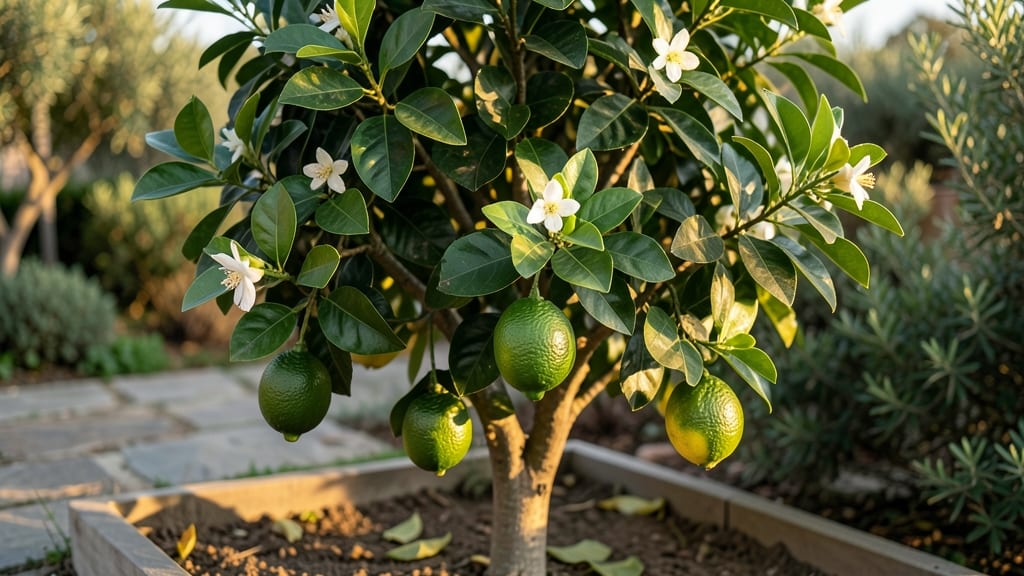
Growing lime fruit trees in containers brings that zesty citrus aroma right to your patio—even in chilly climates. 🌿 I started with a single Key lime cutting years ago, and now my balcony produces more limes than I can use.
The secret? Mimicking their tropical roots with the right soil, sunlight, and winter care.
You’ll need a 15-gallon container (minimum), well-draining soil mix, and a sunny spot that gets 6+ hours of light daily. Persian limes thrive in pots, while Key limes stay compact but need slightly more heat.
Most nurseries sell dwarf varieties perfect for containers, cutting your wait time from years to just 1-2 seasons.
By summer, you’ll be harvesting bright green fruits that taste sweeter than store-bought. The first harvest arrives around 12-18 months after planting, and with proper pruning, your tree keeps producing for decades. Just watch for aphids and overwatering—both are common pitfalls.
Works in apartments, patios, or even greenhouses. The key is consistency: water when the top inch of soil dries, feed monthly with citrus fertilizer, and bring potted trees indoors before frost. Your first harvest will change how you think about growing citrus!
📚 In This Guide
- What you need
- Instructions
- Tips and common mistakes
- Wrapping up and next steps
What you need
- ● Lime Tree Seedlings or Saplings: Choose dwarf varieties (like ‘Meyer’ or ‘Bearss’) for containers. Buy 1-3 plants depending on space.
- ● Containers: 15–25 gallon pots (minimum 18" diameter) with drainage holes. Terracotta or fabric pots work best.
- ● High-Quality Potting Mix: 3-5 bags of well-draining soil blend (e.g., 60% cactus/succulent mix + 40% perlite/pumice).
- ● Fertilizer: Slow-release citrus fertilizer (e.g., Osmocote) or liquid feed (like Miracle-Gro Citrus).
- ● Mulch: Wood chips or straw to retain moisture and regulate temperature.
- ● Drip Irrigation or Hose: For consistent watering (avoid overhead sprinklers).
- ● Pruning Tools: Sharp bypass pruners and sterilizing solution (rubbing alcohol).
- ○ Support Stakes: (Optional) For windy areas or tall varieties.
- ● Sunlight: 6–8+ hours of direct sun daily (south-facing windows or grow lights for indoors).
- ● Temperature: Ideal range: 65–90°F. Protect from frost (<32°F kills lime trees!).
- ● Humidity: 50–70% (use a humidifier or pebble tray indoors).
- ● Water Access: Regular, deep watering (let top 1–2" of soil dry between waterings).
- ● Location Permits: Check local regulations if growing outdoors (some areas restrict citrus trees).
- ● 🌡️ Heat Lovers: Lime trees thrive in warmth—consider a greenhouse or indoor grow tent in colder climates.
- ● ✨ Container Upgrades: Add a heating mat (for indoor pots) to extend growing seasons.
- ● 🔥 Pollination Help: Hand-pollinate flowers with a small brush if bees are scarce.
Step-by-step guide to growing lime trees in containers
Here's how I've successfully cultivated limes in pots for years—no greenhouse needed.
🌱 Step 1: Select and Prepare the Right Container
Lime trees need 12-18 inches of depth for root development, so choose a 5-gallon or larger pot with drainage holes. I prefer unglazed ceramic because it breathes and helps regulate moisture. Add a 2-inch layer of gravel at the bottom to prevent root rot from water pooling.
Use a well-draining citrus potting mix—never regular garden soil. The mix should contain perlite or sand to improve aeration. Fill the pot ¾ full with this mix, leaving room for root growth. Tap the pot gently to settle the soil without compacting it too tightly.
☀️ Step 2: Position for Maximum Sunlight and Warmth
Limes thrive in full sun (6-8 hours daily) and temperatures above 60°F. Place your pot near a south-facing window or under grow lights if indoors. If outdoors, move it to a protected patio or balcony where it won’t face harsh winds or frost.
Rotate the pot quarter-turn weekly to ensure even growth. You’ll notice new leaves forming on all sides—that’s your sign the tree is getting balanced light. In winter, keep it near a sunny window or use a heat mat to maintain soil warmth.
💧 Step 3: Water Deeply and Maintain Consistent Moisture
Water when the top 2 inches of soil feel dry—lime trees hate soggy roots but need steady moisture. I water deeply 2-3 times per week in summer, reducing to once weekly in winter. Use room-temperature water to avoid shocking the roots.
Check drainage after watering—if water pools in the saucer for more than 30 minutes, your pot needs better drainage. Empty saucers immediately to prevent root suffocation. Overwatering is the #1 killer of container-grown limes, so always let excess water drain away.
✂️ Step 4: Prune and Fertilize for Healthy Growth
Prune in early spring to shape the tree and remove dead or crossing branches. Use sterilized pruning shears and cut just above a leaf node. This encourages bushier growth and better fruit production. Never prune more than ⅓ of the tree at once.
Fertilize every 4-6 weeks with a citrus-specific fertilizer (high in nitrogen early, then balanced for fruit). I mix in compost tea monthly for extra micronutrients. Stop fertilizing in late summer to let the tree focus on ripening fruit.
🍋 Step 5: Harvest and Care for Fruit Through the Seasons
Limes ripen 6-12 months after flowering, depending on variety. They’ll turn bright yellow or green-yellow when ready. Gently twist the fruit—it should come off easily. If it resists, it’s not ripe yet.
In winter, reduce watering and move the tree to a bright, cool spot (55-65°F). If indoors, increase humidity with a pebble tray or misting to prevent leaf drop. With proper care, your container lime tree can produce fruit year after year.
Tips & tricks for perfect lime tree cultivation in containers
Between us, these small details make all the difference when growing container lime trees.
Container Selection: While a 5-gallon pot meets the minimum requirements, I upgrade to 7-10 gallon containers for mature trees—this prevents root-bound stress and allows for more soil volume. Look for pots with at least 4 drainage holes, and consider adding a cache pot (outer pot with drainage gap) if your space has temperature fluctuations. The extra insulation helps maintain root zone warmth during cooler months.
Light Optimization: That 6-8 hours of daily sunlight is non-negotiable, but here's what nobody tells you: supplement with a full-spectrum LED grow light if your windows can't provide enough. Position lights 6-12 inches above the tree and keep them on for 12-14 hours daily during winter months. You'll notice new leaf growth within 2-3 weeks of proper supplementation—this is your sign the tree is getting the light it needs.
Watering Wisdom: The 2-inch soil dryness test works, but I've found a better method: insert a chopstick vertically into the soil. If it comes out clean (no moisture), it's time to water. This prevents overwatering while ensuring roots get consistent moisture. For summer watering, I divide each watering into two sessions—morning and evening—to reduce evaporation loss and prevent root suffocation.
Seasonal Transition Strategy: When moving your lime tree indoors for winter, quarantine it for 2 weeks away from other plants. This prevents introducing pests to your indoor garden. Also, increase humidity by placing the pot on a tray of pebbles with water (keep pebbles above water line). You'll see fewer brown leaf tips and healthier overall growth during the winter months.
Pro Tips for Lime Fruit Trees Growing
- Between us, these small details make all the difference when growing container lime trees.
- Container Selection: While a 5-gallon pot meets the minimum requirements, I upgrade to 7-10 gallon containers for mat...
- Light Optimization: That 6-8 hours of daily sunlight is non-negotiable, but here's what nobody tells you: supplement ...
Frequently asked questions
Got questions about growing lime trees in containers? You’re not alone! Here are some of the most common queries—and their simple, actionable answers—to help you cultivate a thriving tropical harvest year-round.
What’s the best climate for growing lime trees in containers?
Lime trees thrive in USDA Hardiness Zones 9-11, but with containers, you can grow them in cooler zones (8 and below) by bringing them indoors during winter. Aim for warmth (70–90°F) and full sun (6+ hours daily). If you’re in a frosty zone, a greenhouse or sunny patio works—just avoid drafts!
How long does it take for a lime tree to bear fruit in a container?
Patience is key! Dwarf varieties (like ‘Meyer’ or ‘Tahiti’) may produce fruit in 3–5 years, while standard trees can take 5–10 years. Speed up fruiting by ensuring full sun, regular watering, and balanced fertilizer (high in nitrogen for young trees, then phosphorus/potassium for blooms). Prune dead branches to redirect energy!
How often should I water my container lime tree?
Containers dry out fast—check soil moisture daily in summer and every 2–3 days in winter. Water deeply until it drains from the bottom, but avoid soggy soil (lime trees hate “wet feet”). Mulch the top to retain moisture, and use a saucer to catch runoff. Yellow leaves? You’re overwatering. Crispy edges? Time to hydrate!
Can I grow more than one lime tree in a container?
Yes, but space matters! Lime trees need room to spread—opt for large containers (15+ gallons) and plant trees 3–4 feet apart. If cross-pollination is needed (like for ‘Bearss’ limes), include one male and one female tree. For dwarf varieties, 2–3 trees can share a 5-gallon+ pot, but monitor for crowding.
What pests or diseases should I watch for in container lime trees?
Common culprits include aphids, scale insects, and spider mites (wipe leaves with soapy water ). Root rot from overwatering and citrus canker (brown lesions) are risks—prune infected areas immediately. Use neem oil or insecticidal soap for pests, and ensure good drainage to prevent rot. Act fast to keep your tree healthy!
Are there lime tree alternatives for smaller spaces?
If space is tight, try dwarf citrus varieties like:
- ‘Meyer’ lime (sweet, cold-hardy, 6–10 ft tall)
- ‘Tahiti’ lime (seedless, 6–8 ft tall)
- Calamondin orange (small, fragrant, dual-purpose for cooking/juice)
Wrapping up and next steps
Growing lime trees in containers is a rewarding journey that brings tropical flair and fresh fruit right to your doorstep—no matter where you live! 🌿 With the right soil, sunlight, and care, you’ll enjoy fragrant blossoms and tangy harvests year-round.
Whether you’re a beginner or a seasoned gardener, the key is patience and consistency.
Ready to turn your balcony or patio into a lime orchard? Start small—pick a healthy young tree, gather your supplies, and dive in! Soon, you’ll be savoring homegrown limes in cocktails, desserts, or fresh dishes. Your tropical harvest awaits—what’s stopping you?