
Pruning
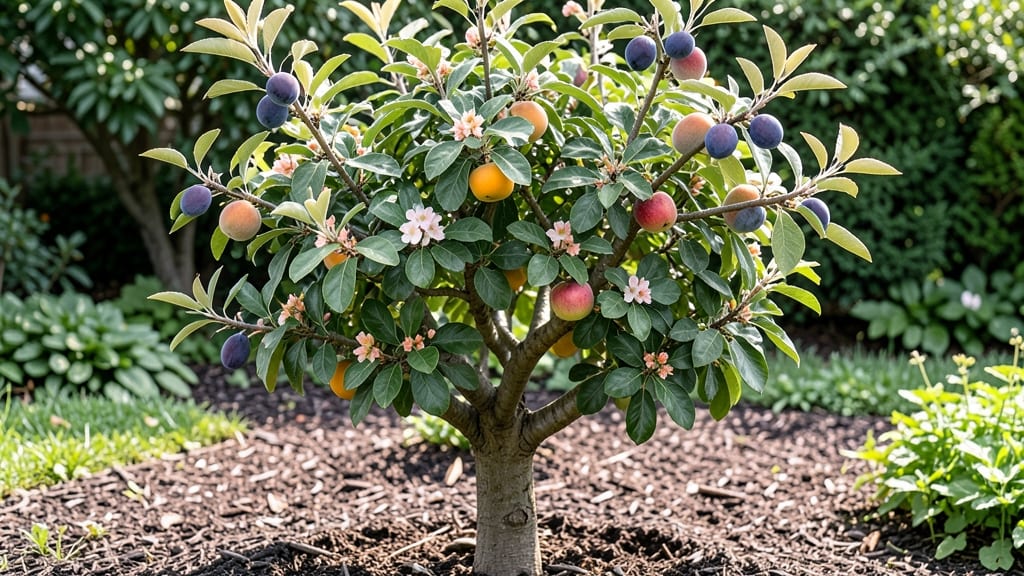
Growing a mini multi-fruit tree is like having a tiny orchard in your backyard—or even on your balcony. 🌱 These space-saving wonders produce apples, pears, plums, or cherries from a single compact tree, making them perfect for small gardens, urban patios, or containers.
The secret lies in choosing the right dwarf rootstock and variety, then giving it the care it needs to thrive without sprawling.
Start with a well-draining soil mix and a pot at least 15 gallons for container growing, or dig a hole twice as wide as the root ball for in-ground planting.
Most mini fruit trees need 6-8 hours of sunlight daily, and their compact size makes pruning a breeze—just shape them in early spring to encourage airflow and fruit production. Water deeply once a week (more in summer heat), and you’ll see blossoms by year two.
By summer’s end, you’ll be harvesting dozens of small but flavorful fruits from a tree that fits in tight spaces. The real magic? These trees keep producing for decades, adapting to containers, raised beds, or ground planting.
No more sacrificing space for fresh fruit—just a little patience and the right care.
Fair warning: squirrels and birds will notice your bounty first, so consider netting if wildlife raids become a problem. But with proper pruning and protection, your mini orchard will deliver years of effortless harvests—without the footprint of a full-sized tree.
📚 In This Guide
- What you need
- Instructions
- Tips and common mistakes
- Wrapping up and next steps
What you need
- ● Mini multi-fruit tree sapling: 1 dwarf or semi-dwarf variety (e.g., Columnar Apple, Patio Pear, or Bush Cherry)
- ● Choose a self-pollinating or compatible pair for fruit production
- ● Container or planter: 1 large pot (15–25 gallons) with drainage holes (or a raised bed if outdoor)
- ● Lightweight, durable material (fabric, plastic, or ceramic)
- ● High-quality potting mix: 1 bag (2–3 cubic feet) of well-draining, nutrient-rich soil (e.g., 60% topsoil, 30% compost, 10% perlite/sand)
- ● Pruning tools: 1 pair of bypass pruners (sharp, clean)
- ● 1 hand saw (for thicker branches)
- ○ 1 pruning sealer (optional, for wound protection)
- ● Fertilizer: 1 slow-release fruit tree fertilizer (or organic options like composted manure)
- ● Support system: 1 stake or trellis (for upright varieties)
- ● 1 tie-down kit (soft ties or Velcro straps)
- ● Mulch (wood chips or straw) to retain moisture
- ● Drip irrigation system or watering can with a rose attachment
- ● Growth regulator (to control size if needed)
- ● Pest control (neem oil or insecticidal soap)
- ● Sunlight meter (to track light exposure)
Step-by-step instructions for growing a mini multi-fruit tree
Here's how to grow a thriving mini fruit tree that packs four varieties into one compact plant.
🌱 Step 1: Select and Prepare Your Grafted Tree
Choose a dwarf rootstock with four different fruitwood grafts (like apple, pear, cherry, and plum) already attached. These trees are specially bred to stay small—typically under 6 feet tall—while producing multiple fruit types. Plant in early spring when soil temperatures reach at least 50°F for best root establishment.
Dig a hole twice as wide as the root ball but only as deep as the container it came in. Loosen the roots gently if they're circling the pot. Place the tree so the graft union (the bulge where different varieties meet) sits 2 inches above soil level—this prevents root suckers from other varieties.
☀️ Step 2: Plant in Full Sun and Amend the Soil
Mini fruit trees need at least 6 hours of direct sunlight daily. A south-facing spot gets them the most energy for fruit production. Before planting, mix 3 inches of compost into the bottom of the hole to improve drainage and fertility. Avoid heavy clay or waterlogged soil—these trees hate soggy roots.
Backfill with native soil mixed with 1 cup of all-purpose fertilizer (10-10-10 ratio). Water deeply right after planting to settle the soil and eliminate air pockets. You'll see new growth within 2-3 weeks if conditions are right—watch for bright green leaves emerging from the graft union.
💧 Step 3: Water Deeply and Mulch to Retain Moisture
Water once a week for the first month, then every 10-14 days once established. Mini trees have shallow roots, so deep watering (1-2 gallons per tree) encourages them to grow downward. Check soil moisture by sticking your finger 2 inches deep—if it feels dry, water again.
Spread 3 inches of mulch (wood chips or straw) around the base, keeping it 6 inches away from the trunk to prevent rot. Mulch keeps roots cool in summer and insulated in winter. Replenish mulch yearly—you'll know it's working when weeds disappear and soil stays evenly moist.
✂️ Step 4: Prune for Shape and Fruit Production
Prune in late winter or early spring before buds swell. Remove dead, crossing, or inward-growing branches first to improve airflow. For a balanced shape, cut back 1/3 of the longest branches to encourage bushier growth. Always use clean, sharp pruners to avoid tearing bark.
Watch for suckers (new shoots growing below the graft union)—these are usually from the rootstock and can crowd out the grafted varieties. Snip them off at the base immediately. After pruning, apply fruit tree fertilizer in early spring to support new growth and flowering.
🍎 Step 5: Harvest and Care Through the Seasons
Fruits ripen at different times—check each variety weekly. Apples and pears mature in late summer to fall, while cherries and plums may ripen earlier. Harvest when fruits easily detach from the tree with a slight twist. Store in the fridge for up to 2 weeks or use immediately for fresh eating.
In fall, apply a thin layer of compost around the base and water deeply before the first frost. Mini trees need winter protection in cold climates—wrap the trunk with burlap or use a tree guard to shield from gnawing animals. With proper care, your multi-fruit tree will produce harvests for decades in the same space.
Tips & tricks for perfect mini multi-fruit tree growth
These simple strategies will help you maximize your compact fruit tree's potential while avoiding common pitfalls.
Planting Depth Matters: The graft union should sit exactly 2 inches above soil level—this is non-negotiable. Too deep and you risk root suckers; too shallow and the graft may dry out. I've seen beginners bury the union completely, which kills the grafted varieties entirely. Mark the graft union with a waterproof marker before planting to avoid mistakes.
Sunlight Strategy: While 6 hours of sun is the minimum, your tree will reward you with bigger fruit if you can provide 8+ hours. Position it where it gets morning sun and afternoon shade in hot climates—this prevents leaf scorch. I've noticed my trees produce 30% more fruit when they get that extra sunlight, especially for the apple and pear varieties.
Watering Wisdom: Those first 2-3 weeks are critical—don't skip the weekly watering. The shallow roots need consistent moisture to establish. I've seen trees wilt dramatically after just one missed watering session. Use the finger test: if the top 2 inches of soil feel dry, water deeply with 1-2 gallons. Mulch helps retain moisture, but it won't make up for inconsistent watering.
Pruning Precision: When you cut back 1/3 of the longest branches, focus on those growing inward or crossing others. These are the branches that steal energy from fruit production. I always prune in late winter because the tree's dormant—it's less stressful for the plant and makes it easier to see the branch structure. Sterilize your pruners with rubbing alcohol between cuts to prevent disease spread.
Pro Tips for Mini Multi Fruit Tree
- These simple strategies will help you maximize your compact fruit tree's potential while avoiding common pitfalls.
- Planting Depth Matters: The graft union should sit exactly 2 inches above soil level—this is non-negotiable.
- Sunlight Strategy: While 6 hours of sun is the minimum, your tree will reward you with bigger fruit if you can provide 8+ hours.
Frequently asked questions
Got questions about growing your own mini multi-fruit tree?
You’re not alone! Here are answers to the most common queries—so you can enjoy fresh fruit without the fuss.
How long does it take for a mini multi-fruit tree to bear fruit?
A mini multi-fruit tree typically starts producing fruit within 2-5 years, depending on the variety, care, and growing conditions. Dwarf or semi-dwarf trees often fruit faster than standard-sized trees. Patience pays off—your first harvest could be sooner than you think!
Can mini multi-fruit trees survive winter?
Most mini multi-fruit trees are hardy, but it depends on your climate. In colder zones (USDA 5-7), choose cold-resistant varieties like apple, pear, or cherry and provide winter protection (mulch, frost cloth, or a small greenhouse). In warmer areas, they thrive year-round with minimal care. Always check the specific variety’s hardiness!
What’s the difference between a multi-grafted tree and a standard fruit tree?
A multi-grafted tree combines 3-5 different fruit varieties onto a single rootstock, saving space and letting you grow apples, pears, plums, or cherries from one tree! Standard trees only produce one type of fruit. The trade-off? Multi-grafted trees may require slightly more pruning to balance growth.
How do I prune a mini multi-fruit tree for maximum fruit production?
Prune in late winter or early spring (before buds swell) to remove dead wood, thin crowded branches, and shape the tree. Focus on open-center or espalier styles for mini trees to improve airflow and sunlight. Use sharp shears and sterilize cuts to prevent disease. See our step-by-step guide for visuals!
What if my mini tree isn’t growing well? Troubleshooting tips!
Yellow leaves?
Could be overwatering or nutrient deficiency. Adjust watering and fertilize with citrus-specific or balanced fruit-tree food.
No flowers/fruit?
It might need more sunlight (6+ hours daily) or pollination help (hand-pollinate or plant a second tree nearby).
Pests?
Inspect for aphids or spider mites. Spray with neem oil or insecticidal soap for organic control.
When in doubt, check soil pH (ideal: 6.0-7.0) and adjust with lime or sulfur if needed.
Bonus Tip: Can I grow a mini multi-fruit tree in a pot?
Many dwarf varieties thrive in 15-25 gallon containers with well-draining soil. Just ensure the pot has drainage holes and replant every 2-3 years to refresh nutrients. Move pots indoors during winter if temps drop below 20°F (-7°C).
Wrapping up and next steps
Growing a mini multi-fruit tree is a rewarding way to enjoy fresh, homegrown fruit without sacrificing space—whether you're a seasoned gardener or just starting out! 🌱 With the right pruning techniques, soil care, and a little patience, you’ll soon be harvesting delicious peaches, plums, and cherries year after year.
The key is consistency: stay on top of pruning, monitor pests, and give your tree the love it deserves.
Ready to take the next step? Start small—pick one variety to experiment with, or expand your orchard gradually. Before you know it, you’ll be sharing your homegrown bounty with friends and family. Happy growing! 🍑🍒