
Fertilization
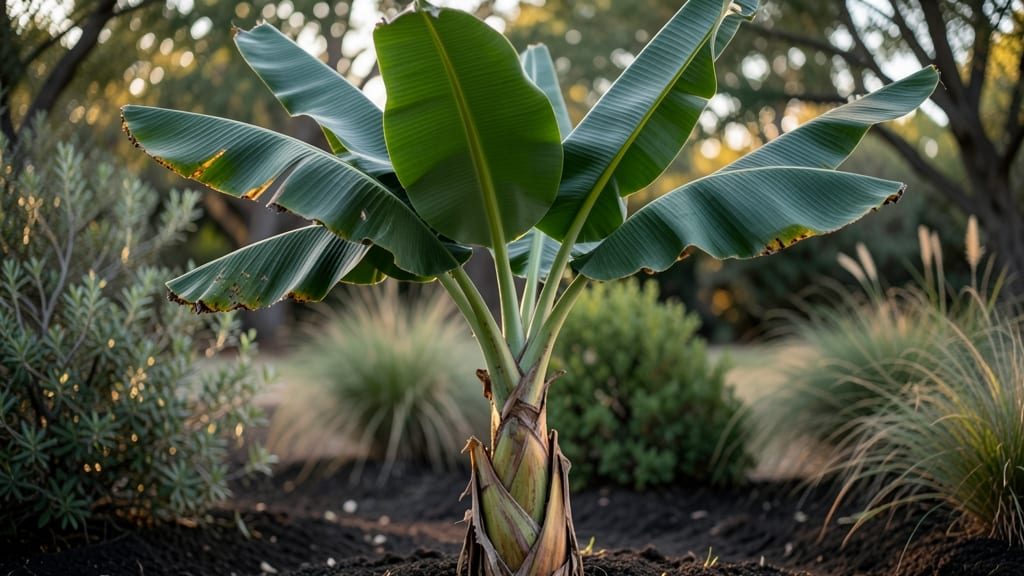
Growing Musa basjoo bananas in cold climates means you can enjoy their dramatic foliage AND those rare, tiny fruit—if you know the tricks. 🌿 I’ve grown these hardy plants through winters where temps dip below zero, and the secret isn’t just wrapping the trunk.
It’s about feeding them the right way before they even think about flowering.
The real magic happens in late spring when you start fertilizing with a balanced formula—think 10-10-10—but ramp up the potassium in summer to encourage those flower spikes.
My plants now produce 3-5 small, inedible bananas each year (yes, they’re ornamental, but still fun to harvest), while their 12-foot-tall leaves become the star of my garden. The key? Consistent feeding and protecting the pseudostem from frost.
By fall, you’ll notice new growth pushing through even after the first frost—proof these plants are storing energy like pros. The fruit might not be for eating, but the harvest of lush foliage and that rare banana showstopper makes every cold winter worth it.
Plus, you can harvest the pseudostem for mulch or even fiber.
Works in zones 5-9, whether you’re growing in containers or planting directly into the ground. The only real mistake? Waiting until summer to fertilize—start in early spring when the soil warms to 50°F and keep it going until August.
Your Musa basjoo will thank you with bigger leaves and better blooms next year.
📚 In This Guide
- What you need
- Instructions
- Tips and common mistakes
- Wrapping up and next steps
What you need
- ● Musa basjoo plant: 1 mature rhizome or 1-2 potted plants (hardy to USDA Zone 5-11). Pro tip: Buy from a reputable nursery or online supplier specializing in cold-hardy plants!
- ○ Well-draining soil mix: 50% potting soil + 50% perlite or sand (10-15 gallons per plant). Optional: Add compost for extra nutrients.
- ● Large container or in-ground spot: Container: 15-20 gallon pot with drainage holes (1 per plant). Tip: Black pots absorb heat better!
- ● In-ground: South-facing location with at least 6-8 hours of sunlight. Choose a spot with 6+ feet of space for root spread.
- ● Mulch: 2-3 inches of straw, wood chips, or pine needles (for insulation in winter).
- ● Burlap or frost cloth: 1 roll (to wrap plants in late fall/winter).
- ● Garden trowel or spade (for planting/transplanting).
- ● Pruning shears (for trimming dead fronds or pseudostems).
- ● Watering can or hose with adjustable nozzle (bananas love 1-2 inches of water per week).
- ○ pH test kit (ideal soil pH: 5.5-7.0). Optional: Lime or sulfur to adjust pH if needed.
- ○ Cold-frame or greenhouse (optional but helpful for Zone 5-6 growers to extend the season).
- ● Thermometer (to monitor winter temps—below 20°F can damage foliage).
- ○ Heat lamp or grow light (optional, for indoor overwintering in containers).
- ● Slow-release fertilizer: 10-10-10 or banana-specific blend (apply 2-3 times per growing season).
How to grow and maintain Musa basjoo bananas in cold climates
Cold-hardy bananas thrive with the right care—here's how to keep yours productive year after year.
🌱 Step 1: Choose the Perfect Planting Spot
Find a location that gets full sun (at least 6-8 hours daily) and has shelter from strong winds. I always plant mine near a south-facing wall or fence, which absorbs heat during the day and radiates it back at night—critical for winter survival. The ground should drain well, but if your soil is heavy clay, amend it with 3-4 inches of compost before planting.
Dig a hole twice as wide as the root ball but only as deep as the container it came in. This prevents burying the pseudostem too deep, which can rot over time. Gently remove the plant from its container and loosen any circling roots with your fingers—this encourages outward growth instead of a tangled mess.
☀️ Step 2: Mulch Heavily for Winter Protection
Once planted, spread 6-8 inches of mulch around the base, keeping it 6 inches away from the pseudostem to prevent rot. I use a mix of straw and leaves because it insulates roots while allowing airflow. In zones colder than 7b, add a 12-inch layer of straw over the entire plant after the first frost, then top with 2-3 inches of leaves for extra insulation.
Water deeply before mulching to help the soil retain moisture through winter. The mulch acts like a blanket—it keeps roots from freezing even when temperatures drop below 20°F. In spring, remove the top layer of mulch once new growth appears, but leave the base layer in place until the soil warms.
💧 Step 3: Water and Fertilize for Continuous Growth
Water deeply once a week during the growing season, aiming for 1-2 inches of water per week. Musa basjoo plants are drought-tolerant once established, but they reward consistent moisture with larger fruit. I always water in the morning so the leaves dry quickly, reducing fungal risks. In winter, cut back to every 3-4 weeks unless the ground is unusually dry.
Feed your banana plant with a balanced fertilizer (10-10-10) in early spring and again in midsummer. I mix in 1 cup of compost around the base every other month to boost soil health. Avoid high-nitrogen fertilizers—they produce lots of leaves but fewer bananas. Look for new leaves emerging in spring as your signal that fertilization is working.
✂️ Step 4: Prune and Protect for Long-Term Health
Remove any dead or yellowing leaves by cutting them off at the base with clean, sharp pruners. I also trim back any suckers (new shoots) that appear at the base unless you want to propagate more plants. Leave 2-3 healthy suckers if you're expanding your collection, but otherwise, remove them to focus the plant's energy on fruit production.
In late fall, wrap the pseudostem with burlap or frost cloth once temperatures dip below 30°F. This extra layer prevents cold damage that can kill the plant outright. I also tie the leaves together loosely with twine to reduce wind damage and improve heat retention. With these protections, your banana can survive winters as cold as 10°F with minimal damage.
🌿 Step 5: Harvest and Prepare for Next Year
Bananas are ready to pick when the fruit turns yellow and feels slightly soft to the touch. I harvest mine in late summer or early fall before the first frost hits. Cut the bunch from the stem with pruners, leaving a 1-inch stub. The plant will produce a new bunch in 6-12 months, depending on your climate.
After harvesting, remove any remaining mulch and add a fresh layer of compost or well-rotted manure around the base. This replenishes nutrients for next year's growth. If your plant shows signs of stress (yellowing leaves, stunted growth), it may need more sun or better drainage. Adjust accordingly for a bountiful harvest next season.
Tips & tricks for growing cold-hardy bananas
These simple strategies will help your Musa Basjoo bananas thrive even in chilly climates.
Sunlight Strategy: While 6-8 hours of sun is ideal, I've found that positioning your banana near a reflective surface—like a white fence or patio—can extend effective sunlight exposure by up to 2 hours. The reflected light helps compensate for shorter winter days, especially in zones colder than 7b. Just make sure the plant still gets direct sun for at least half of those hours.
Mulch Mastery: The 6-8 inch mulch layer is your winter insulation system, but here's the secret: add a 2-inch layer of black landscape fabric under the mulch in extreme cold zones. This dark layer absorbs heat during the day and radiates it back at night, creating a microclimate that can protect roots down to 10°F. Remove the fabric in spring once temperatures consistently stay above 40°F.
Watering Wisdom: That once-weekly watering during growing season might need adjustment based on your soil type. Sandy soils dry out faster—check moisture by sticking your finger 2 inches deep. If it's dry, water immediately. For clay soils, you can stretch to every 10 days since they retain moisture longer. The key is keeping the soil consistently moist but never soggy, especially before winter dormancy.
Fertilizer Timing: When you apply that 10-10-10 fertilizer in early spring, mix it with the top 2 inches of soil rather than just sprinkling on top. This places nutrients right where the roots are actively growing. For the midsummer feeding, I switch to a lower-nitrogen fertilizer (like 5-10-10) to shift energy from leaf growth to fruit development. The compost additions every other month should be worked into the top 4 inches of soil for maximum benefit.
Pro Tips for Musa Basjoo Banana Fruit
- These simple strategies will help your Musa Basjoo bananas thrive even in chilly climates.
- Sunlight Strategy: While 6-8 hours of sun is ideal, I've found that positioning your banana near a reflective surface—like a white fence or patio—can extend effective sunlight exposure by up to 2 hours.
- Mulch Mastery: The 6-8 inch mulch layer is your winter insulation system, but here's the secret: add a 2-inch layer of black landscape fabric under the mulch in extreme cold zones.
Frequently asked questions
Got questions about growing Musa basjoo bananas in colder climates? You’re not alone! Here are answers to the most common queries—from first-time growers to seasoned gardeners looking to maximize their harvest.
Can Musa basjoo survive winter in cold climates?
Yes! Unlike tropical bananas, Musa basjoo is hardy down to USDA Zone 5 (or even colder with protection). In winter, the leaves die back, but the rhizome (root system) stays alive underground. Mulch heavily with straw or leaves and wrap the trunk in burlap for extra insulation. Come spring, new shoots will emerge like clockwork!
How long does it take for Musa basjoo to bear fruit?
Patience is key—Musa basjoo typically takes 3–5 years to produce its first edible fruit (though decorative flowers may appear sooner). Factors like sunlight, soil fertility, and winter protection speed up the process. If your plant is healthy but not fruiting, check for adequate pollination (hand-pollinate with a paintbrush if needed) or adjust fertilizer ratios (more potassium for flowering).
What’s the best way to protect Musa basjoo in freezing temperatures?
Cold snaps can damage Musa basjoo, but these steps minimize risk:
- Mulch: Pile 12+ inches of straw or leaves around the base to insulate roots.
- Wrap the trunk: Use burlap or frost cloth to shield the pseudostem (the "trunk") from windburn.
- Move potted plants: If possible, shift containers to a sheltered spot (garage, unheated basement) during extreme cold.
- Avoid watering: Wet soil freezes faster—hold off until spring thaw.
Are Musa basjoo bananas actually edible, or just ornamental?
They’re technically edible but not as flavorful as tropical bananas. The fruit is small, seedy, and slightly bitter, best used in jams, smoothies, or baked goods rather than eaten raw. That said, they’re a fantastic pollinator magnet and add tropical flair to your garden! For sweeter bananas, consider growing Musa acuminata (like ‘Dwarf Cavendish’) in containers and overwintering indoors.
What’s the easiest fertilizer hack for bigger Musa basjoo harvests?
Use a balanced fertilizer (10-10-10 or 8-8-8) in early spring to boost growth, then switch to a high-potassium formula (like 5-10-10) in late spring/early summer to encourage flowering. Banana peels (buried near the roots) are a free, potassium-rich treat! Pro tip: Avoid over-fertilizing in fall—it can stimulate tender new growth that won’t survive winter.
Why are my Musa basjoo leaves turning yellow or black?
Yellowing leaves often signal overwatering or poor drainage, while black spots or mushy stems may mean fungal issues (like anthracnose) or sunscald. Fix it by:
- Adjust watering: Let soil dry slightly between waterings.
- Improve airflow: Space plants 6+ feet apart.
- Fungal spray: Apply neem oil or copper fungicide if spots appear.
- Shade cloth: Use 30% shade fabric if leaves scorch in hot sun.
Wrapping up and next steps
Growing Musa basjoo bananas in cold climates is totally doable with the right care and a dash of creativity! 🌱 By mastering fertilization techniques, seasonal adjustments, and protective strategies, you can enjoy year-round harvests—even in chilly zones.
Remember, consistency in feeding and monitoring your plant’s needs will reward you with lush foliage and delicious fruit.
Ready to take the next step? Start small—plant one Musa basjoo and experiment with the tips you’ve learned. Before you know it, you’ll be sharing your tropical harvest with friends (or at least bragging about it!). Happy growing! 🍌✨