
Fertilization
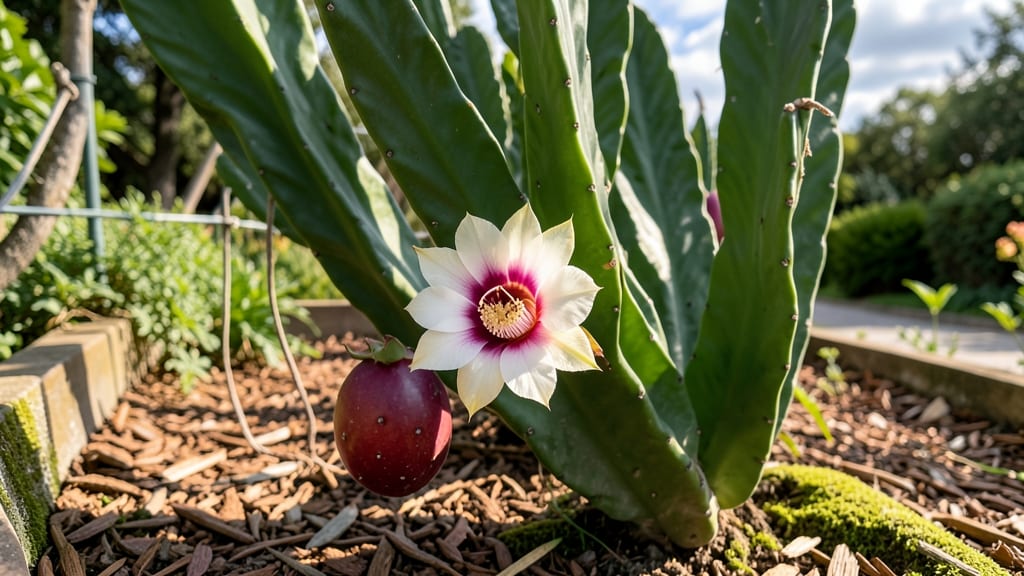
Growing Nicaraguan dragon fruit in containers is like cultivating a piece of the tropics on your patio. 🌱 This variety thrives where temperatures stay between 75-95°F, making it perfect for Nicaragua's coastal regions or greenhouses in cooler climates.
The key lies in mimicking its natural habitat—bright, indirect light and well-draining soil that prevents root rot.
You'll need a 5-gallon container for each vine, filled with a mix of cactus soil and perlite to ensure proper drainage. These vines grow aggressively, so plan for trellises or sturdy supports to guide their sprawling growth.
Water when the top inch of soil feels dry, but avoid soggy conditions—the dragon fruit's thick stems store moisture, so overwatering is the fastest way to kill it.
By summer, you'll see those iconic pink or yellow night-blooming flowers appear, followed by the sweet, crunchy fruit within 4-6 months. The real magic happens when you pollinate by hand—use a small brush to transfer pollen between flowers, as natural pollinators may not visit container plants.
With proper care, you'll harvest fruit year after year, even in small spaces.
For those in Nicaragua, this variety adapts beautifully to the humid, warm climate, while gardeners in cooler regions can grow it in greenhouses or move containers indoors during winter. The secret to success?
Patience and consistency—these vines take time to establish, but once they do, they reward you with easy-to-grow, high-value fruit that's a conversation starter at any gathering.
📚 In This Guide
- What you need
- Instructions
- Tips and common mistakes
- Wrapping up and next steps
What you need
- ● Dragon fruit cuttings: 3–5 healthy, 12–18" long cuttings with 2–3 nodes (ensure they’re from a Nicaraguan or Hylocereus variety).
- ● Well-draining potting mix: 5–10 gallons of a blend of 50% cactus/succulent mix + 30% perlite/pumice + 20% compost (sterilized to prevent pests).
- ● Containers: 2–3 large pots (12–18" diameter) with drainage holes, or a single 20"+ pot for multiple cuttings.
- ○ Rooting hormone (optional but helpful): A small bottle (e.g., Rootone) to boost root growth.
- ● Pruning shears: Sharp, sterilized shears for cutting and trimming.
- ● Spray bottle: For misting cuttings during rooting (16 oz size).
- ● pH test kit: To ensure soil pH is 6.0–7.0 (dragon fruit loves slightly acidic to neutral soil!).
- ● Slow-release fertilizer: A balanced 10-10-10 or organic compost tea (1–2 tbsp per plant, monthly during growing season).
- ○ Support trellis or stakes: 4–6 ft tall bamboo or metal stakes for vining (optional but encourages faster growth!).
- ● Grow lights (LED full-spectrum) if natural light is <10 hours/day.
- ● Mulch (gravel or bark chips) to retain moisture and regulate temperature.
- ● Humidity dome or plastic wrap for cuttings during rooting (1–2 weeks).
Step-by-step instructions for cultivating Nicaraguan dragon fruit in containers
Mastering this tropical vine is easier than you think—just follow my container-specific approach.
🪴 Step 1: Select and Prepare Your Container System
Nicaraguan dragon fruit thrives in 5-gallon containers with multiple drainage holes—these plants hate soggy roots. I use fabric grow bags because they allow excess moisture to evaporate while still providing excellent aeration. Choose a container at least 18 inches deep to accommodate the vine's extensive root system, which can grow 6-10 feet long over time.
Line the bottom with 2 inches of gravel or broken pottery to improve drainage further. This prevents root rot, which is the number one killer of container-grown dragon fruit. Place your container in a location where the vine can climb—either a trellis, sturdy bamboo stake, or overhead wire system. The vine will need something to grip as it grows, so ensure your support structure is at least 8 feet tall.
🌱 Step 2: Plant Your Dragon Fruit Offsets or Seeds
Nicaraguan dragon fruit is typically propagated from pups (offsets) rather than seeds, as they produce fruit much faster. Plant 2-3 pups per container to ensure a strong, productive vine. Dig a hole 2 inches deeper than the pup's root ball and place it gently, then cover with sterile potting mix enriched with compost or worm castings. Press lightly to remove air pockets but avoid compacting the soil.
Water thoroughly until moisture runs out the drainage holes. You'll know it's right when the soil surface looks evenly damp but not soggy. Here's the thing—dragon fruit pups are delicate when young, so avoid overwatering for the first 2 weeks. Let the top 1-2 inches of soil dry out between waterings, then resume a consistent moisture schedule.
☀️ Step 3: Provide Optimal Light and Temperature
Dragon fruit is a sun-worshipper—place your container in a spot with full sun exposure (6+ hours daily). A south-facing window or balcony works, but if you're growing indoors, supplement with a 10,000-lux grow light positioned 12-18 inches above the plant. You'll notice the leaves darken and thicken when light conditions are ideal.
Maintain temperatures between 70-95°F—this vine cannot tolerate frost and will die if exposed to temperatures below 40°F. If you live in a cooler climate, bring the container indoors during winter or use a space heater with a thermostat to keep the roots warm. Dragon fruit is tropical through and through, so consistent warmth is non-negotiable.
💧 Step 4: Fertilize and Train the Vine
Feed your dragon fruit vine with a balanced liquid fertilizer (10-10-10) every 4-6 weeks during the growing season. I switch to an organic fish emulsion in late summer to boost flowering. The key is moderation—over-fertilizing leads to lush foliage but fewer flowers and fruit. You'll see buds forming along the vine's tips when fertilization is balanced.
Train the vine to climb by gently tying the main stem to the trellis or stake with soft plant ties every 2-3 feet. This prevents the vine from flopping and encourages upward growth. Once the vine reaches the top of the support, prune the tip to encourage branching. This creates more areas for flowers and fruit to develop. Dragon fruit vines are fast growers, so keep an eye on them—they can double in length within a season.
✂️ Step 5: Prune and Harvest for Maximum Yield
Prune dead or yellowing leaves regularly to improve airflow and reduce disease risk. In late winter, cut back any weak or overcrowded growth to redirect the plant's energy into new, vigorous shoots. You'll know it's time to prune when you see multiple stems competing for space—this is a sign the vine needs shaping.
Harvest dragon fruit when the outer skin turns bright pink and the fruit feels slightly soft when gently squeezed. Cut the fruit from the vine with clean pruning shears, leaving a small stem attached. Nicaraguan dragon fruit is self-pollinating, so you won’t need to manually pollinate—just ensure the vine has plenty of bees or other pollinators visiting. Store harvested fruit in the fridge for up to 2 weeks to extend freshness.
Tips & tricks for cultivating Nicaraguan dragon fruit in containers
Here's what I've learned after years of growing this stunning tropical vine—these details make all the difference.
The Container Depth Factor: While 5-gallon containers work perfectly, I've found that adding 2-3 inches of extra depth (up to 21 inches total) gives roots more room to establish before needing pruning. This is especially helpful if you're growing in cooler climates where root development slows. The extra space prevents the vine from becoming root-bound too quickly, which can stress the plant and reduce flowering.
Drainage Layer Upgrade: That 2-inch gravel layer is non-negotiable, but I've discovered a game-changer: mix in perlite or pumice stones (about 20% of the gravel volume) for even better aeration. These porous materials help prevent compaction over time while maintaining that critical drainage. The key is to keep the total drainage layer at 2 inches—just replace some of the gravel with these alternatives.
Light Supplement Strategy: For indoor growers, I recommend positioning your 10,000-lux grow light on a timer for 12-14 hours daily to mimic tropical daylight. The 12-18 inch distance is perfect, but if you notice leaves stretching toward the light (a condition called etiolation), lower it to 10-12 inches temporarily. This prevents weak, leggy growth while still providing the full spectrum needed for photosynthesis.
Winter Survival Hack: When temperatures drop below 50°F, move your container to a sunny indoor spot near a south-facing window and place it on a thermostatically-controlled heat mat set to 70°F. This mimics the vine's natural tropical environment without requiring a full greenhouse setup. The heat mat prevents root shock from temperature fluctuations, which is particularly important during the 70-95°F range this vine thrives in.
Pro Tips for Nicaraguan Dragon Fruit
- Here's what I've learned after years of growing this stunning tropical vine—these details make all the difference.
- The Container Depth Factor: While 5-gallon containers work perfectly, I've found that adding 2-3 inches of extra dept...
- Drainage Layer Upgrade: That 2-inch gravel layer is non-negotiable, but I've discovered a game-changer: mix in perlit...
Frequently asked questions
How often should I fertilize my Nicaraguan dragon fruit vine?
Feed your vine every 4-6 weeks during active growth (spring to fall) using a balanced, water-soluble fertilizer (like 10-10-10). In winter, reduce to once every 2-3 months or pause if growth slows. Over-fertilizing can harm roots—always dilute to half-strength for container plants!
Can I fertilize dragon fruit in winter?
Yes, but lightly! Winter dormancy (Dec-Feb) means minimal growth, so cut back to 1-2 feedings max with a low-nitrogen fertilizer (e.g., 5-10-10). Skip fertilizing if temps drop below 50°F (10°C)—focus on watering sparingly instead. Resume normal feeding when buds sprout in early spring.
What if my dragon fruit leaves turn yellow?
Yellow leaves often signal over- or under-fertilization. Flush the soil with water to remove excess salts, then adjust your routine:
Too much fertilizer? Reduce to half-strength and water thoroughly.
Not enough nutrients? Switch to a low-nitrogen, high-potassium fertilizer (like 2-4-4) and repot if roots are cramped.
Check for pests (like spider mites) too—they can mimic nutrient issues!Are there organic fertilizer alternatives for dragon fruit?
Try these organic options:
- Compost tea (weekly during growth)
- Fish emulsion (diluted 1:10, every 6 weeks)
- Banana peel tea (for potassium—steep peels in water for 2 days)
- Worm castings (mix into soil 2x/year)
Why isn’t my dragon fruit vine flowering?
Dragon fruit needs 12+ hours of daylight and a winter chill period (50-60°F / 10-15°C for 4-6 weeks) to trigger blooms. If indoors, supplement with grow lights or move plants outside in cooler months. Also check:
- Fertilizer: Switch to a low-nitrogen, high-phosphorus blend (e.g., 2-10-10) when buds form.
- Pot size: Roots need space—repot if circling the container.
- Stress: Occasional drought (let soil dry slightly) can encourage flowering.
Wrapping up and next steps
Mastering the art of growing Nicaraguan dragon fruit in containers is a rewarding journey that brings a taste of the tropics to your home! With the right fertilization techniques, soil mix, and patience, you’ll soon enjoy vibrant blooms and sweet, exotic fruit.
Whether you’re a beginner or a seasoned gardener, this tropical vine thrives with care—and your green thumb is all it takes to turn your balcony or patio into a mini oasis. 🌱
Ready to take the next step? Start small—plant your dragon fruit cutting today and watch it flourish! For even better results, join a gardening community to share tips and celebrate your progress. Happy growing! 🌟