
Fertilization
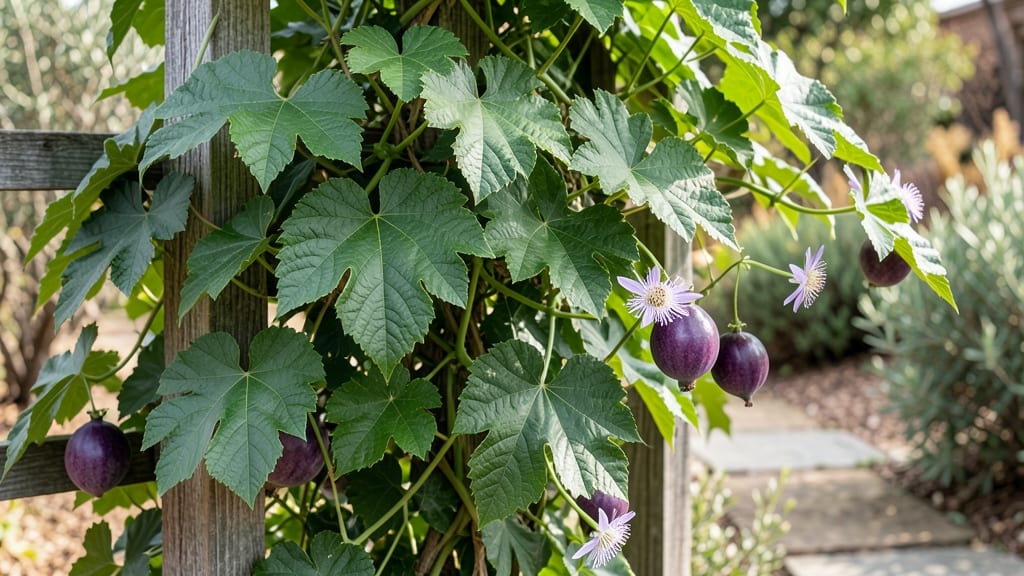
Growing passion fruit in containers lets you enjoy tropical fruit without a yard—just a sunny spot and the right dwarf variety. 🌱 I’ve grown these vines for years, and the secret is choosing compact types like 'Golden Passionfruit' or 'Purple Haze,' which stay manageable even in 15-gallon pots.
The first harvest happens within a year, and the fragrant flowers alone make it worth the effort.
You’ll need well-draining soil mixed with compost, a trellis for support, and regular watering—about 1 inch per week—but never let the roots sit soggy. Passion fruit vines love heat and thrive in full sun, so a south-facing patio or balcony works perfectly.
Prune lightly after harvest to encourage more fruit next season, and watch for pests like aphids (a strong spray of water usually clears them).
The payoff is worth it: sweet, tangy fruit straight from your container, plus lush, fast-growing vines that add drama to any space. Even in cooler climates, you can overwinter the pots indoors near a sunny window.
The first taste of homegrown passion fruit changes how you think about container gardening—it’s not just about herbs anymore.
For best results, start with healthy plants from a nursery, and don’t rush—these vines take time to establish but reward patience with years of harvests. Whether you’re on a balcony or a small patio, passion fruit in containers proves you don’t need acres to grow something extraordinary.
📚 In This Guide
- What you need
- Instructions
- Tips and common mistakes
- Wrapping up and next steps
What you need
- ● Dwarf Passion Fruit Varieties: 1-2 plants of Passiflora edulis (Purple Passion Fruit) or Passiflora ligularis (Sweet Granadilla)—both thrive in containers!
- ● Containers: 1-2 large pots (18-24 inches in diameter) with drainage holes—passion vines need room to sprawl!
- ○ Optional: Self-watering pots or fabric grow bags for better moisture control.
- ● Potting Mix: 1 bag (1.5-2 cubic feet) of well-draining potting mix (avoid garden soil—it compacts!).
- ○ Optional: Amend with perlite or coconut coir (20% of mix) for extra aeration.
- ● Fertilizer: Balanced liquid fertilizer (10-10-10 or 20-20-20) for initial planting.
- ● Slow-release granular fertilizer (e.g., 14-14-14) for ongoing nutrition.
- ○ Optional: Organic options like composted manure or worm castings.
- ● Basic Gardening Tools: Trowel or small shovel for planting.
- ● Pruners (sterilized!) for trimming vines and dead leaves.
- ● Gloves (passion fruit vines can be thorny!).
- ● Support System: 1-2 trellises, cages, or sturdy stakes (4-6 feet tall) to guide vines upward.
- ● Watering Supplies: Watering can or hose with a gentle spray nozzle.
- ○ Optional: Drip irrigation kit for consistent moisture.
- ● Location & Climate: Full sun (6+ hours daily) in USDA Zones 8-11 (or indoors near a sunny window).
- ● Access to a greenhouse or cold frame if you’re in cooler zones.
Step-by-step instructions for growing passion fruit in containers
Here’s how I grow lush, fruiting passion vines in pots—perfect for patios or balconies.
🪴 Step 1: Choose the Right Container and Dwarf Variety
Passion fruit thrives in 5-gallon containers with drainage holes—I use fabric grow bags for extra aeration. Dwarf varieties like ‘Golden Passionfruit’ or ‘Purple Haze’ stay compact (6-8 feet tall) and fruit reliably in pots. Avoid standard varieties—they’ll sprawl uncontrollably.
Fill the bottom 2 inches with gravel or broken pottery for drainage. Passion vines hate soggy roots, so this prevents waterlogging. Place your container where it gets full sun (6+ hours daily)—a south-facing spot works best. If you’re in a hot climate, afternoon shade protects leaves from scorching.
🌱 Step 2: Plant and Support the Vine
Plant your bare-root cutting or young plant in well-draining potting mix (I blend 50% coconut coir, 30% perlite, 20% compost). Dig a hole twice as wide as the root ball but no deeper—passion vines need room to spread horizontally. Gently tease the roots if they’re circling and place the plant so the crown sits just above soil level.
Install a trellis or sturdy post immediately—passion vines grow aggressively and need support. I use a 5-foot tall bamboo trellis for dwarf varieties. Secure the main stem with soft ties (never wire—it cuts into bark) and train it to climb. Water deeply after planting to settle the soil around roots.
☀️ Step 3: Water and Fertilize for Maximum Fruit
Passion vines need consistent moisture but hate wet feet. Water when the top 2 inches of soil feel dry—usually every 2-3 days in summer, less in winter. I water at the base in the morning to reduce fungal risks. Mulch with 2 inches of straw to retain moisture and keep roots cool.
Feed every 2 weeks with a balanced liquid fertilizer (10-10-10) during growing season (spring-fall). When buds form, switch to a high-phosphorus fertilizer (5-10-5) to boost flowering. I also add 1 tablespoon of Epsom salt monthly—it’s packed with magnesium, which passion vines crave for sweet fruit.
✂️ Step 4: Prune and Train for Heavy Harvests
Prune in early spring to remove dead or crossing branches. Cut back overly long vines to encourage bushier growth—this creates more fruiting nodes. I leave 3-4 main stems and prune side shoots to 12 inches long. Never prune more than 1/3 of the plant at once.
Watch for new growth after pruning—this signals the vine is recovering. When flowers appear, hand-pollinate by gently shaking the trellis in the morning (passion flowers need vibration to release pollen). Harvest when fruit is fully colored and slightly soft—usually 8-12 weeks after flowering. Cut stems with 2 inches of vine attached to encourage more production.
⏰ Step 5: Overwinter and Prepare for Next Season
In USDA Zones 8-10, passion vines stay evergreen. In colder zones, move pots to a bright, cool (50-60°F) garage or shed before frost. Reduce watering to once every 2 weeks and stop fertilizing. Prune lightly in late winter to remove dead growth.
Here’s the thing—passion vines fruit on new wood, so don’t prune too early. Wait until you see new shoots (2-3 inches long) before cutting back. In spring, repot if roots are circling (upgrade to a 7-gallon container if needed) and resume regular care. With patience, your vine will reward you with pounds of fruit in its second year.
Tips & tricks for thriving passion fruit in containers
Here's what nobody tells you about keeping your passion vines happy and productive in pots.
Drainage is Non-Negotiable: That 2 inches of gravel at the bottom of your 5-gallon container isn't just decoration—it's your vine's lifeline. I've seen passion vines die from soggy roots even when watered "normally." If your container doesn't have drainage holes, drill them yourself or use a fabric grow bag. The roots need oxygen as much as water!
Sunlight Strategy for Small Spaces: While 6+ hours of sun is ideal, don't assume your balcony gets enough direct light. I test spots by placing a white sheet of paper where the container will sit—if it gets hot to the touch in summer afternoons, that's prime sun. For shadier spots, choose 'Purple Haze'—it tolerates partial shade better than 'Golden Passionfruit' while still producing fruit.
Fertilizer Timing Matters: Switching to that high-phosphorus (5-10-5) fertilizer when buds form is crucial, but don't stop the balanced (10-10-10) completely. I alternate weeks between the two during peak growing season. The magnesium from Epsom salt is especially important—without it, your fruit might taste bland even if the vine looks healthy. Apply that monthly dose right after watering so it doesn't burn roots.
Pruning Secrets for Bigger Harvests: When you're pruning those overly long vines in early spring, look for the little "knees" where branches meet the main stem. These are where fruit will form. Cut just above these nodes when pruning side shoots to 12 inches. And here's a pro move: if you see a branch with both flowers and leaves, prune the leaves but leave the flowers—this directs the vine's energy to fruit production instead of foliage growth.
Pro Tips for Passion Fruit In
- Here's what nobody tells you about keeping your passion vines happy and productive in pots.
- Drainage is Non-Negotiable: That 2 inches of gravel at the bottom of your 5-gallon container isn't just decoration—it...
- Sunlight Strategy for Small Spaces: While 6+ hours of sun is ideal, don't assume your balcony gets enough direct ligh...
Frequently asked questions
Got questions about growing passion fruit in containers? Here are some of the most common ones—and their answers—to help you cultivate these tropical gems with confidence!
What are the best dwarf passion fruit varieties for containers?
The Passiflora edulis (purple passion fruit) and Passiflora ligularis (sweet granadilla) are top picks for containers. Look for dwarf or semi-dwarf varieties like 'Panama Red' or 'Golden Sweet'—they stay compact (4–6 feet tall) and produce abundantly in 15–20 gallon pots.
How often should I fertilize container-grown passion fruit?
Feed your passion fruit every 4–6 weeks during spring and summer with a balanced, water-soluble fertilizer (10-10-10 or 20-20-20). In fall/winter, switch to a low-nitrogen (5-10-10) formula to encourage flowering. Pro tip: Mix in compost or worm castings monthly for organic nutrients!
Why aren’t my passion fruit plants flowering or fruiting?
Common culprits include overcrowded roots (repot if needed), lack of sunlight (6+ hours of direct light daily), or excess nitrogen (which boosts leaves over flowers). Try pruning leggy growth and reducing water slightly to stress the plant into blooming. Bonus: Hand-pollinate flowers with a soft brush if bees are scarce!
Can I grow passion fruit in containers indoors?
Yes, but with caveats! Place your container near a south- or west-facing window (or use grow lights 12–14 hours/day). Humidity is key—mist leaves or use a pebble tray. Winter dormancy is critical: Move pots to a cool (50–60°F) spot and reduce watering. Warning: Indoor plants may fruit less prolifically than outdoor ones.
What’s the ideal temperature range for container passion fruit?
Passion fruit thrives in 70–85°F during the day and 60–70°F at night. Below 50°F stunts growth, while above 90°F can cause flower drop. In cold climates, bring containers indoors or use frost blankets. Hot tip: Mulch pots with straw to regulate soil temps!
How do I overwinter passion fruit in containers?
When temps drop below 60°F, move pots to a bright, cool indoor spot (like a garage with windows). Reduce watering to keep soil lightly moist and stop fertilizing. Prune dead leaves, but leave some foliage for photosynthesis. Resume care in spring when new growth appears!
Wrapping up and next steps
Growing passion fruit in containers is not only possible—it’s a rewarding way to enjoy this tropical gem even in small spaces! With the right dwarf varieties, proper fertilization, and a little care, you’ll be harvesting sweet, vibrant fruit in no time. 🌱✨
Ready to take the next step? Start by selecting your favorite container-friendly passion fruit and gather your supplies. Then, nurture your plant with love (and the right nutrients!)—soon, you’ll be savoring homegrown passion fruit straight from your balcony or patio. Your tiny garden’s big success story begins now!