
Size
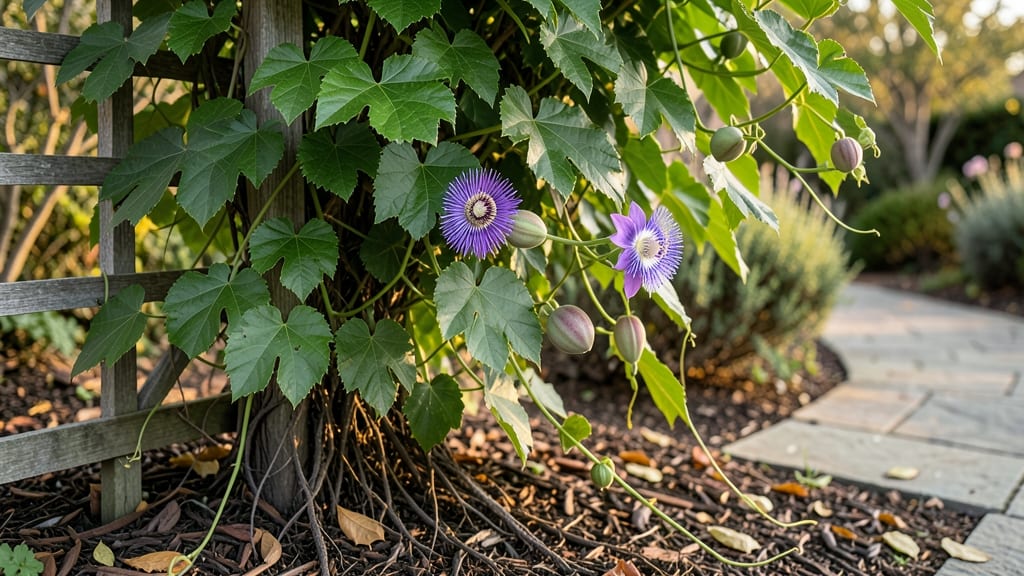
Understanding the passion fruit plant size is key to giving your 🍈 vines the space—and support—they crave to thrive.
If you’re dreaming of lush, fragrant passion fruit vines but worried about space constraints, you’re not alone. Some varieties sprawl like wild jungle vines, while others stay compact enough for containers or small backyards.
The difference between a 10-foot vine and a 30-foot monster depends on the variety, pruning, and where you live.
In USDA Zone 6, passion fruit plants start small but grow aggressively once established. By year two, they can reach 15–25 feet without proper trellising, while dwarf varieties stay manageable at 10–15 feet.
The right support system isn’t just about aesthetics—it’s about maximizing fruit production and keeping your vines from taking over your garden.
Below, I’ll break down the growth stages by variety, space-saving techniques for small gardens, and the most common mistakes that stunt vine growth. Whether you’re working with a balcony or a backyard, you’ll learn how to harness this tropical climber’s potential—without losing control.

How big do passion fruit vines grow? Size by variety & growth stages
Passion fruit vines are among the most dramatic climbers in your garden, capable of reaching stunning heights that can dwarf even the tallest trellises.
The size of your vine depends heavily on the variety you choose, as well as its growth stage—juvenile vines can look modest, but mature plants become aggressive sprawlers if left unchecked.
Understanding these differences will help you plan your garden layout, trellis height, and even container sizes if you're working with limited space.
Most passion fruit varieties are perennial in warm climates (USDA Zones 8-11) but treated as annuals in colder regions, which affects their growth patterns. For example, a first-year vine might only reach 10-15 feet, while a mature 3-year-old plant can easily exceed 20-30 feet with proper care.
This rapid growth means you’ll need to install a strong trellis or arbor early to guide the vine upward and prevent it from smothering nearby plants.
Here’s where variety matters most—Purple passion fruit (Passiflora edulis) and Yellow passion fruit (Passiflora edulis flavicarpa) are the most common, but Granadilla (Passiflora ligularis) takes size to another level. Each has distinct growth habits that will influence your garden planning, from root spread to trellis requirements.
Let’s break down the numbers so you can visualize what to expect in your own space.
If you’re growing Purple passion fruit, you’ll find it’s the most adaptable to containers or small gardens. Its vines typically reach 15–25 feet at maturity, making it ideal for 10–15 foot trellises or even large pots with support.
The root spread is equally impressive, so plan for at least 10 feet of horizontal space if planting in the ground. In containers, choose pots that are at least 15 gallons to accommodate the roots and provide stability for the vine.
For Yellow passion fruit, brace yourself for a powerhouse grower that can hit 20–30 feet in ideal conditions. This variety demands a taller trellis (18–25 feet) and a wider root zone (12–20 feet in diameter).
If you’re in a small-space garden, consider pruning aggressively to keep it under control, but expect slower fruit production if you limit its growth too much. Yellow passion fruit thrives in warm climates and is less cold-hardy than its purple cousin.
The Granadilla passion fruit is the showstopper of the bunch, capable of reaching 25–40 feet with a root spread that can smother nearby plants if not contained.
This variety is best suited for tropical or subtropical climates (Zones 10–11) and requires a massive trellis or pergola (20–30 feet tall). If you’re growing Granadilla in a container, you’ll need a 25+ gallon pot and a robust support system
Best space-saving techniques for growing passion fruit in small gardens
If you love the idea of growing passion fruit but lack yard space, don’t despair! With the right techniques, you can cultivate these tropical vines in even the tiniest gardens.
The key lies in understanding their growth habits and using smart strategies like container gardening and vertical trellising to maximize every inch of space.
Passion fruit vines can reach 20-30 feet if left unchecked, but with proper training, you can keep them compact enough for balconies, patios, or small plots. The secret? Combining dwarf varieties, container growing, and vertical support systems to guide their growth upward instead of outward.
- 🪴 Container Size: Use 15-20 gallon pots for young vines, upgrading to 30+ gallon containers as they mature. Ensure pots have drainage holes to prevent root rot.
- 🌿 Trellis Height: Install a 6-8 foot trellis for standard varieties or 4-6 foot for dwarf types. DIY with PVC pipes or buy pre-made metal arch trellises.
- 💧 Watering Needs: Containers dry faster—water every 2-3 days in summer and deeply soak the soil. Use moisture-retentive potting mix with perlite.
- 🌱 Companion Plants: Grow marigolds nearby to deter pests, or pair with bush beans to share nutrients. Avoid planting near citrus trees, which compete for space.
- ✂️ Pruning Tips: Prune new growth tips after 4-5 leaves to encourage bushier vines. Remove dead or crossing vines regularly to improve airflow.
For container gardening, choose varieties like Passiflora edulis 'Golden Passionfruit', which stays slightly more compact than its purple cousin. Place containers near a south-facing wall or balcony railing to maximize sunlight exposure—6+ hours daily is non-negotiable for fruit production.
Vertical trellising isn’t just for aesthetics—it’s a game-changer for space. Use DIY wooden frames or commercial trellis netting to train vines upward. Secure the main vine to the trellis with soft plant ties, allowing side shoots to grow freely for more fruit-bearing branches.
Don’t forget about companion planting to save space and boost yields. Pair your passion fruit with low-growing herbs like basil or thyme, which thrive in the same sunny conditions but won’t compete for vertical space. This multi-layered approach turns a small garden into a productive paradise.
With these techniques, you’ll enjoy homegrown passion fruit without sacrificing your outdoor space. Start small, monitor growth, and adjust as needed—your vines will thank you with abundant, sweet fruit in no time! 🌱