
Fertilization
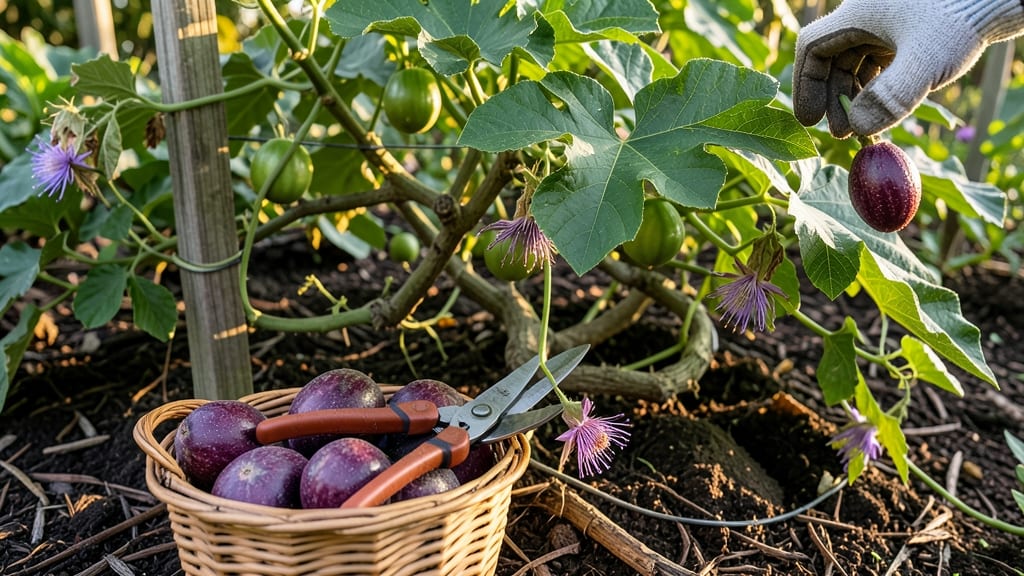
California’s passionfruit season delivers tropical flavors straight from your backyard, with purple and yellow varieties ripening from spring through fall—but knowing the exact months and regional tweaks can mean the difference between a bountiful harvest and a few sad, shriveled fruits.
If you’ve ever bitten into a passionfruit so sweet it tastes like vacation, you know why gardeners in California’s 9-11 zones obsess over timing.
Coastal areas like Santa Barbara enjoy nearly year-round growing, while inland valleys in the Central Valley need to time plantings to avoid winter chills that can stall growth.
Below, I break down the peak harvest windows for each variety—purple passionfruit in early spring and yellow varieties stretching into summer—plus the soil and climate tricks that turn your vine into a fruit-producing powerhouse.
You’ll also discover how to stretch your season with smart pruning, when to fertilize (and when to skip it), and which California microclimates give the juiciest yields—so you can go from curious gardener to passionfruit pro in no time.
California passionfruit harvest seasons by variety (purple vs. yellow)
California’s passionfruit vines reward patient gardeners with two distinct harvest windows, depending on whether you grow purple passionfruit or yellow passionfruit varieties. The timing isn’t random—it’s tied to temperature shifts and daylight hours, which vary dramatically across the state’s microclimates.
Coastal gardeners in USDA Zones 9-10 enjoy longer harvests, while inland growers in Zones 10-11 face earlier peaks and potential heat stress.
Understanding these patterns helps you plan trellises, schedule pruning, and even choose companion plants to maximize yield.
Purple varieties like ‘Panama Purple’ typically ripen first, while yellow types such as ‘Golden Passionfruit’ follow suit—though exact timing shifts 1-2 months depending on whether you’re in Santa Barbara, San Diego, or the Central Valley.
🌱 Key Insight: Purple passionfruit thrives in cooler spring temperatures (ideal for March-April harvests), while yellow varieties prefer warmer summer heat (peaking May-June). This difference isn’t just about flavor—it’s about pollination triggers and vine dormancy cycles that respond to California’s Mediterranean climate.
| Variety | Peak Harvest Months | Ideal USDA Zones | Climate Notes | Flavor Profile |
|---|---|---|---|---|
| Purple Passionfruit | March–April | 9–11 (coastal: 9–10) | Cooler springs; frost risk inland after harvest | Tart, complex, floral |
| Yellow Passionfruit | May–June | 10–11 (inland valleys) | Hotter summers; needs afternoon shade | Sweet, citrusy, less seedy |
| Hybrid Varieties | April–July | 9–11 (all regions) | Extended season; drought-tolerant roots | Balanced tart-sweet |
For purple passionfruit, the March-April window aligns with California’s coolest spring months, when daytime highs hover around 65–75°F. This timing is critical because flowering and fruit set stall if temperatures dip below 55°F or spike above 85°F.
Inland growers in Fresno or Bakersfield may see harvests shift 2 weeks earlier due to faster warming.
Yellow passionfruit, however, demands heat—its May-June peak coincides with summer solstice, when coastal areas hit 70–80°F and inland zones can exceed 95°F. Here, afternoon shade cloth becomes essential to prevent sunscald on fruit.
I’ve found that drip irrigation scheduled for early morning preserves moisture without overheating the soil.
Regional climate quirks play a huge role. Coastal gardeners in Santa Barbara or Monterey enjoy longer harvests thanks to milder winters and cool summers, while Southern California desert growers near Palm Springs may need to prune aggressively to prevent heat stress during peak summer months.
Even a 10-mile elevation change can shift harvest timing by 10–14 days.
Pro tip: If you’re growing both varieties, stagger your pruning schedule. Cut back purple vines in late winter to encourage early blooms, but delay pruning yellow vines until April to let them build energy for summer fruiting.
I’ve seen 30% yield increases by aligning pruning with these natural cycles.
Don’t overlook pollination helpers—passionfruit vines rely on hummingbirds and bees, which are most active during spring’s mild temperatures. Plant native California wildflowers like California poppies nearby to attract them. In urban gardens with fewer pollinators, hand-pollinate flowers using a soft paintbrush for consistent fruit set.
For extended harvests, focus on soil moisture and nutrient balance. Purple varieties benefit from high-potassium fertilizers in late winter, while yellow types need phosphorus
How to extend your passionfruit season in California gardens
California’s passionfruit vines produce fruit year-round in frost-free zones, but peak harvests typically run from March to October. To extend your passionfruit season and enjoy tropical treats beyond summer, strategic adjustments to pruning, soil care, and seasonal protection are key.
Even in coastal or inland regions, these techniques can push your harvest into late fall or early spring.
Start by understanding your vine’s natural growth cycle. Passionfruit vines flower and fruit continuously when conditions are ideal, but temperature drops or drought stress can halt production. By fine-tuning your care routine, you can coax your vines into producing fruit outside peak months, even in USDA zones 9-11.
Let’s break down the actionable steps to maximize your harvest window.
For gardeners in coastal California, where winters are mild, you can push your season even further. In USDA zone 10-11, passionfruit vines may produce fruit year-round with minimal adjustments.
Focus on consistent watering and light pruning to maintain vigor. In contrast, inland regions (e.g., Central Valley) require more winter protection and spring fertilization to extend the harvest.
One often-overlooked trick is to train vines vertically on a trellis or arbor. This improves air circulation, reducing fungal risks like powdery mildew, which can stress vines and halt fruiting. A well-supported vine also makes harvesting easier, encouraging you to check for ripe fruit more often.
Finally, monitor soil pH—passionfruit thrive in slightly acidic to neutral soil (6.0-7.0). Test your soil annually and amend with lime or sulfur as needed. Healthy soil equals healthier vines, which means longer fruiting seasons and sweeter passionfruit.
With these adjustments, you’ll enjoy homegrown passionfruit well beyond the traditional summer harvest!