
Container Gardens
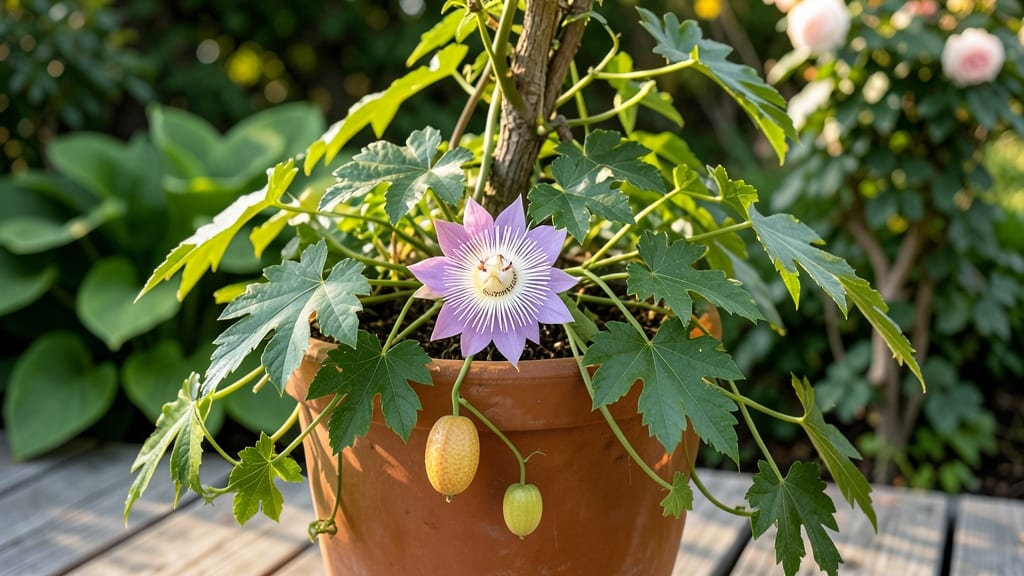
Growing passionfruit vines in pots turns tiny balconies into tropical oases—no backyard required. 🌿 I’ve watched these vines climb trellises, burst with fragrant flowers, and produce fruit the size of golf balls in containers that fit on my deck. The key?
Compact varieties like ‘Panama Red’ or ‘Purple Haze’ that stay manageable without sprawling. You’ll need a 10- to 15-gallon pot with drainage holes, a soil mix that’s airy yet moisture-retentive (think 60% potting soil, 30% perlite, 10% compost), and a sturdy trellis or obelisk to guide the vine upward.
Passionfruit vines crave 6+ hours of sunlight daily, so south- or west-facing spots win. Water when the top inch of soil feels dry—overwatering is their Achilles’ heel. By summer’s end, you’ll be harvesting fruit that tastes sweeter than anything you’ve ever bought.
The vines even handle pruning like pros: trim back leggy growth in early spring and deadhead spent blooms to encourage more fruit. With the right setup, these vines thrive in pots for years, rewarding patience with bold, exotic flavors and lush greenery.
This works for urban apartments, fire escapes, or even sunny windowsills—just adjust watering in winter when growth slows. Here’s how to make it happen without the fuss.
📚 In This Guide
- What you need
- Instructions
- Tips and common mistakes
- Wrapping up and next steps
What you need
- ● Pot: A 5-gallon or larger container with drainage holes (minimum 12" deep). Opt for fabric grow bags or plastic/ceramic pots with saucers.
- ● Passionfruit Vine: Choose a compact variety like ‘Sweetie’ or ‘Purple Haze’ (dwarf or semi-dwarf types). Buy a healthy, disease-free plant from a nursery.
- ● Potting Mix: A well-draining blend (e.g., 60% cactus/succulent mix, 30% perlite/pumice, 10% compost). Avoid heavy garden soil!
- ● Fertilizer: Balanced liquid fertilizer (e.g., 10-10-10) for initial growth.
- ● High-phosphorus fertilizer (e.g., 5-10-5) when flowering/fruiting begins.
- ● Support Structure: A trellis, obelisk, or sturdy cage (at least 6–8 feet tall) to guide vertical growth.
- ● Pruning Tools: Bypass pruners (sterilized) and sharp scissors for trimming.
- ● Watering Can or Hose: With a gentle spray nozzle to avoid displacing soil.
- ● Mulch: Pine bark or straw to retain moisture and regulate soil temp.
- ● Time-Release Fertilizer Pellets: Mix into soil for slow, steady nutrients.
- ● Spray Bottle: For humidity control (especially in dry climates).
- ● Grow Lights: If indoors or in low-light conditions (LED full-spectrum bulbs).
- ● Soil pH Test Kit: Passionfruit prefers 6.0–7.5 pH; adjust with lime or sulfur if needed.
Step-by-Step instructions for growing compact passionfruit vines in pots
Here's how to grow sweet, productive passionfruit vines in containers—perfect for small spaces.
🪴 Step 1: Choose the Right Containers and Drainage
Start with 5-gallon containers for each vine—passionfruit roots need room to spread, and larger pots mean more fruit production. I use fabric grow bags because they prevent root circling and let excess water evaporate through the sides. Drill 3-4 drainage holes in the bottom if your pot doesn’t have them already.
Place a 2-inch layer of gravel or broken pottery at the bottom before adding soil. This keeps roots from sitting in water, which passionfruit vines hate. The gravel also helps prevent the heavy soil from clogging the drainage holes over time.
🌱 Step 2: Plant Compact Varieties and Prepare the Soil
Select dwarf or compact varieties like 'Golden Passionfruit' or 'Purple Haze'—these stay manageable in pots and produce fruit without sprawling. Plant your bare-root vine in early spring, just as new growth begins to swell. Dig a hole deep enough to bury the root ball completely, then spread the roots gently downward.
Fill the pot with a mix of 60% potting soil, 30% compost, and 10% perlite—this gives the roots both moisture retention and aeration. Press the soil lightly around the roots to remove air pockets, then water deeply until it drains from the bottom. The soil should feel moist but not soggy when you squeeze a handful.
☀️ Step 3: Position for Maximum Sun and Support
Passionfruit vines need full sun (6+ hours daily) to set fruit, so place your pots where they’ll get morning sun and afternoon warmth. A south- or west-facing balcony works best. If you’re in a hot climate, provide afternoon shade to prevent leaf scorch—you’ll know it’s too much sun when leaves turn yellow and crispy.
Install a strong trellis or tomato cage right away—vines grow aggressively and need support to climb. Train the main stem along the trellis, tying it loosely with soft plant ties every 12 inches. This keeps the vine upright and makes harvesting easier. Prune side shoots back to 2-3 leaves to encourage stronger central growth.
💧 Step 4: Water and Fertilize for Consistent Production
Water deeply 2-3 times per week, letting the top 2 inches of soil dry out between waterings. Passionfruit vines are drought-tolerant but produce best with steady moisture. In hot weather, you may need to water daily—just check the soil first. Overwatering causes root rot, so always let excess water drain away completely.
Feed your vines every 4-6 weeks with a balanced liquid fertilizer (10-10-10) diluted to half strength. Start fertilizing when flowers appear, then switch to a low-nitrogen, high-phosphorus formula (5-10-10) once fruit sets. This encourages flowering and fruiting over leafy growth. Stop fertilizing in late summer to let the plant prepare for dormancy.
✂️ Step 5: Prune and Harvest for Year-Round Productivity
Prune in early spring to shape the vine and remove dead or weak growth. Cut back overly long vines to 4-5 feet to keep them manageable in pots. This also improves airflow, reducing the risk of fungal diseases. After harvest, trim any spent flowers or small fruit—this redirects the plant’s energy into larger, sweeter passionfruits.
Harvest when the fruit changes color and feels slightly soft when gently squeezed. Purple varieties turn deep violet, while goldens develop a yellow-orange hue. Cut the fruit from the vine with clean pruners, leaving a short stem. Store in a cool, dry place for up to 2 weeks—or eat fresh immediately for the best flavor.
Tips & tricks for growing passionfruit vines in containers
These simple adjustments will help your balcony passionfruit vines thrive and produce fruit like a pro.
Container Size Matters: While 5-gallon containers are ideal, I've found that adding a 2-3 inch extension to the pot's depth gives roots more room to establish before hitting the bottom. This is especially helpful in the first growing season when roots are actively spreading. Look for containers with 12-14 inches of depth—deeper pots prevent root competition and improve stability when vines get heavy with fruit.
Soil Mix Secret: The 60-30-10 soil mix is perfect, but I like to add a handful of worm castings to the compost portion for extra nutrients. This gives your vines a gentle boost without overwhelming them. If you notice leaves yellowing between veins (a sign of iron deficiency), mix in a spoonful of chelated iron into the soil—passionfruit vines are particularly sensitive to this nutrient imbalance.
Sunlight Strategy: In Step 3, when positioning your pots, remember that morning sun is more intense than afternoon sun in most climates. If you notice leaves curling or wilting in the morning, move your pots to receive more afternoon sun instead. You can also use a lightweight shade cloth (30-50%) during peak midday hours if your balcony gets intense afternoon sun—this prevents leaf scorch while still allowing plenty of light for fruit production.
Watering Wisdom: The 2-3 times per week guideline works well, but I've learned to adjust based on pot color. Dark-colored containers dry out faster than light-colored ones. If your pot is dark, you might need to water every other day during hot weather. Always check moisture by sticking your finger 2 inches into the soil—that's where the roots are actively growing. If it feels dry at this depth, it's time to water.
Pro Tips for Passionfruit Vines In Pots
- These simple adjustments will help your balcony passionfruit vines thrive and produce fruit like a pro.
- Container Size Matters: While 5-gallon containers are ideal, I've found that adding a 2-3 inch extension to the pot's...
- Soil Mix Secret: The 60-30-10 soil mix is perfect, but I like to add a handful of worm castings to the compost portio...
Frequently asked questions
Got questions about growing passionfruit vines in pots?
You’re not alone! Here are some of the most common concerns—plus quick, practical solutions to keep your balcony thriving with sweet, tropical fruit.
What’s the best pot size for passionfruit vines?
Passionfruit vines need at least 15–20 gallons of space to thrive. Opt for a wide, deep container (18–24 inches in diameter) with drainage holes. Dwarf varieties like ‘Golden Passionfruit’ or ‘Purple Haze’ adapt better to smaller pots (12+ gallons), but they’ll still need sturdy support as they grow. Pro tip: Use a self-watering pot to maintain moisture without overwatering!
How long does it take for passionfruit vines to bear fruit in pots?
Patience is key! With ideal conditions (full sun, warm temps, and consistent care), you can expect fruit in 1–2 years. Dwarf varieties may bear sooner (as early as 6–12 months), but heavy fruiting can stress potted vines. Prune aggressively after harvest to encourage regrowth. Bonus: Pollinate flowers by hand (use a soft brush) if bees are scarce!
Can passionfruit vines survive winter in pots?
Most passionfruit varieties are tender perennials and need protection below 40°F (4°C). Move pots to a garage, shed, or insulated porch during frost. If temps drop below freezing, wrap the pot in bubble wrap or frost cloth. In mild climates, prune back vines and mulch heavily. Pro tip: Overwintering indoors? Reduce watering and provide grow lights for 6–8 hours daily.
What can I do if my passionfruit vine isn’t flowering?
No flowers? Check these fixes:
- Light: Passionfruit needs 6+ hours of direct sun daily. Move to a sunnier spot or supplement with grow lights.
- Fertilizer: Use a balanced, citrus-friendly fertilizer (10-10-10) every 4–6 weeks during growing season.
- Stress: Overwatering or root-bound pots can halt blooming. Ensure drainage and repot if roots circle the container.
- Age: Young vines (under 1 year) focus on growth. Be patient—flowering often starts in the second year.
Are there low-maintenance passionfruit varieties for beginners?
Try these compact, beginner-friendly options:
Variety
Fruit Color
Pot Size Needed
Key Perk
‘Golden Passionfruit’
Yellow
12–15 gallons
Sweeter, less acidic; thrives in heat
‘Purple Haze’
Purple
15–20 gallons
Cold-hardier (tolerates brief dips to 28°F/-2°C)
‘Panama Red’
Red
18+ gallons
Fast-growing; great for trellises
Wrapping up and next steps
Growing passionfruit vines in pots is a rewarding way to enjoy tropical flavors even in small spaces! With the right compact varieties and care, your balcony can become a sweet, fragrant oasis. Start small, stay consistent with pruning and feeding, and soon you’ll be harvesting juicy fruits right at home.
Ready to dive in? Pick your vine, grab your pot, and get planting! 🌱✨ Your future breakfast smoothie awaits!