
Fertilization
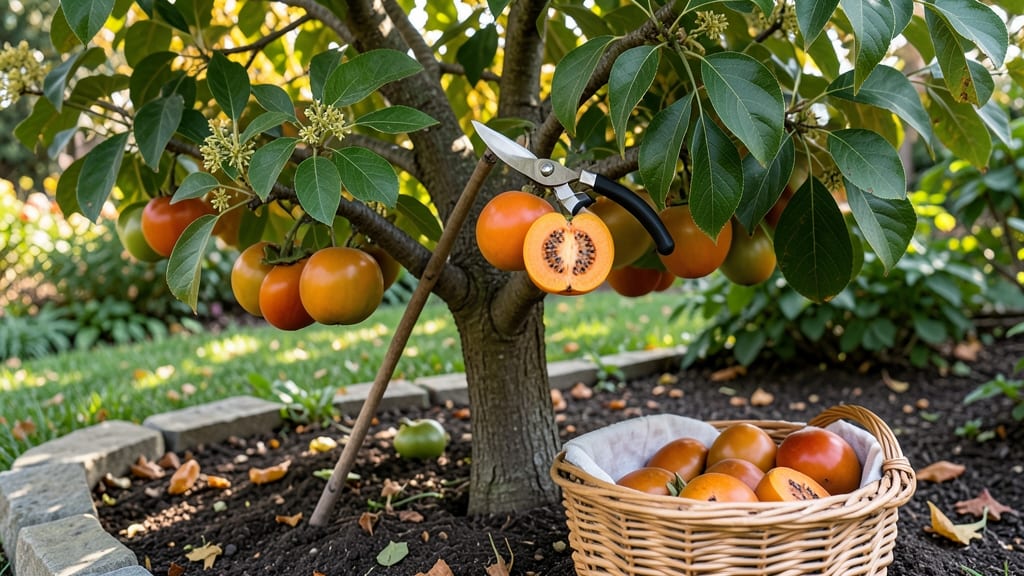
Persimmon fruit juice is a vitamin-rich beverage packed with antioxidants like beta-carotene, vitamin C, and fiber, offering immune support and anti-inflammatory benefits while its natural sweetness makes it a refreshing, low-calorie alternative to commercial fruit juices.
This vibrant juice stands out because of its unique nutrient blend—persimmons convert beta-carotene into vitamin A during digestion, which supports vision and skin health. 🌿 The polyphenols in persimmon juice also help reduce oxidative stress, making it a powerhouse for anyone looking to boost their daily antioxidant intake.
Unlike many commercial juices, persimmon juice retains its natural sweetness without added sugars, which makes it perfect for those watching their calorie intake while still craving flavor.
For gardeners or health enthusiasts, fresh persimmon juice is incredibly versatile. You can blend it with ginger for a zesty kick or mix it with citrus to balance its natural sweetness.
Storing it properly in the fridge extends its freshness, so you can enjoy its benefits for up to a week. Plus, its mild flavor pairs well with both sweet and savory dishes, making it a great addition to smoothies, cocktails, or even salad dressings.
💡 In This Article
- Key Nutrients in Persimmon Juice and Their Health Benefits
- Fresh Persimmon Juice Recipes and Storage Tips
Key nutrients in persimmon juice and their health benefits
Persimmon juice's nutritional powerhouse stems from its rich beta-carotene content, which converts to vitamin A during digestion—a process called provitamin A activity. Just 1 cup (240ml) of persimmon juice provides about 150% of your daily vitamin A needs, crucial for maintaining healthy vision, immune function, and skin repair.
This conversion happens in your intestines where enzymes break down the beta-carotene into retinal, which your body then uses for various biological functions.
The juice also contains polyphenolic compounds like tannins and flavonoids, which act as potent antioxidants. These compounds help neutralize free radicals—unstable molecules that can damage cells and contribute to aging or chronic diseases.
Studies show persimmons have ORAC values (Oxygen Radical Absorbance Capacity) around 2,800 per 100g, making them comparable to blueberries in antioxidant power. The deeper orange hue of ripe persimmons indicates higher beta-carotene concentration, which directly correlates with increased antioxidant activity.
Don't overlook the soluble fiber content—about 3-4 grams per cup—which supports digestive health by promoting regular bowel movements and feeding beneficial gut bacteria. This fiber also helps regulate blood sugar levels, making persimmon juice an excellent choice for those managing diabetes or insulin resistance.
The natural sweetness comes from fructose and glucose, but without the blood sugar spikes you'd find in processed fruit juices.
Seasonal ripeness dramatically affects both flavor and potency. Persimmons harvested in late fall to early winter (their natural ripening window) contain 20-30% more beta-carotene than those picked earlier. This is because cooler temperatures trigger higher sugar accumulation and carotenoid synthesis in the fruit.
For maximum nutritional benefit, use fully ripe persimmons—those with a soft texture when gently pressed—that have been allowed to fully develop their vibrant orange color.
What sets persimmon juice apart is its synergistic nutrient profile. The vitamin C content (about 15mg per cup) enhances iron absorption, while the potassium (300mg per cup) supports cardiovascular health by helping regulate blood pressure.
This combination makes it particularly beneficial for active individuals or those recovering from illness, as it provides both immune support and electrolyte balance without added sugars or artificial ingredients.
For best results, consume fresh persimmon juice within 24-48 hours of pressing to preserve these nutrients. The natural enzymes that convert beta-carotene to vitamin A become less active once the juice is exposed to air and light.
Storing it in an airtight glass container in the refrigerator maintains its freshness and nutrient integrity for up to 5 days.
Here's what you're actually getting with each serving:
- Vitamin A: Supports vision, immune function, and cell growth (150% DV per cup)
- Polyphenols: Reduces oxidative stress and inflammation (comparable to blueberries)
- Fiber: Promotes gut health and blood sugar regulation (3-4g per cup)
- Vitamin C: Boosts collagen production and iron absorption (15mg per cup)
- Potassium: Supports heart health and muscle function (300mg per cup)