
Pruning
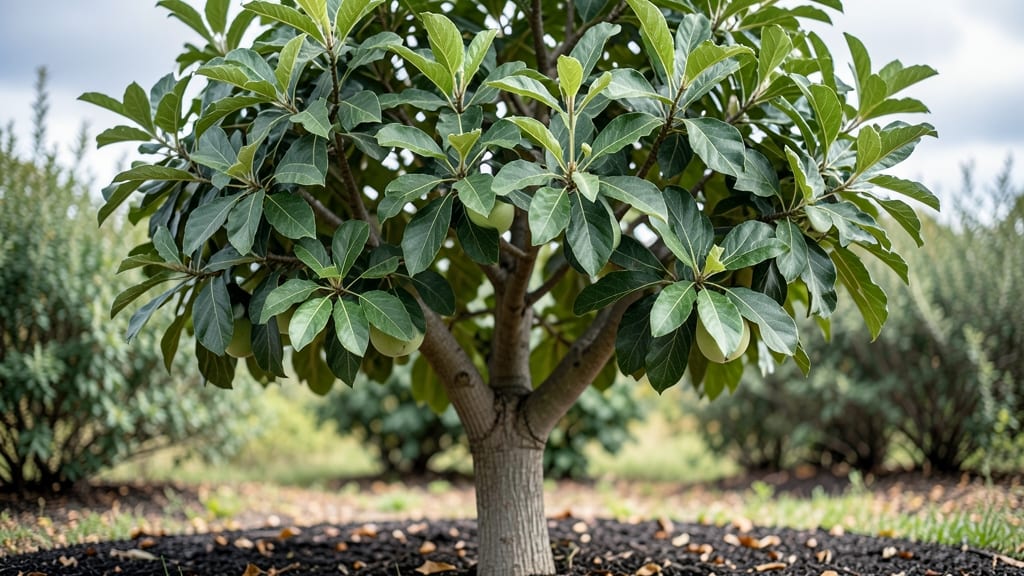
Your persimmon tree’s green fruit won’t ripen until you prune like a pro. 🌿 I’ve watched stubborn green persimmons cling to branches for months—until I learned the right cuts and timing that finally coaxed them into sweet, orange perfection.
The secret lies in balancing sunlight, air circulation, and tree energy, all controlled through strategic pruning.
First, focus on removing thick, crowded branches that shade fruit. Thin out limbs to let sunlight hit the center of the tree, where fruit often stays green from lack of warmth. For astringent varieties like ‘Hachiya,’ prioritize open canopies—they need full sun to ripen properly.
Non-astringent types like ‘Fuyu’ are more forgiving but still benefit from better airflow to prevent disease, which can delay ripening.
By mid-summer, you’ll see the difference: fruit exposed to sunlight turns from dull green to deep amber, signaling sugar development. A well-pruned tree also produces larger, more uniform fruit next season.
The key is patience—persimmons ripen slowly, but with the right cuts, you’ll turn those stubborn greens into harvest-ready treats by fall.
Works for both young trees and mature specimens, though younger trees need lighter pruning. Start small—just 10-20% of branches—and adjust based on how your tree responds. The payoff? A bounty of persimmons so sweet they’ll have your neighbors asking for cuttings.
📚 In This Guide
- What you need
- Instructions
- Tips and common mistakes
- Wrapping up and next steps
What you need
- ● Pruning shears: Bypass pruners (sharp, 6-8 inch blades) for clean cuts on small branches.
- ● Loppers: 20-24 inch for thicker branches (up to 2 inches in diameter).
- ● Pruning saw: Curved-tooth for branches thicker than 2 inches.
- ● Disinfectant: 70% isopropyl alcohol or rubbing alcohol to sterilize tools between cuts.
- ● Gloves: Heavy-duty, cut-resistant to protect your hands from thorns and rough bark.
- ● Ladder: Sturdy, extendable (12-16 feet) for hard-to-reach branches.
- ○ Twine or zip ties: For securing branches during pruning (optional but helpful).
- ● Weather check: Prune on a dry, overcast day (avoid wet or windy conditions).
- ● Safety glasses: To shield eyes from debris.
- ● Long sleeves/pants: Protect against scratches and sun exposure.
- ● First-aid kit: Just in case of minor cuts or scrapes.
- ● Water & snacks: Hydration breaks keep you energized for the job! 💧
- ● Pruning sealant: Tree wound dressing (controversial but some gardeners swear by it for larger cuts).
- ● Marking spray: Non-toxic paint to tag branches for future reference.
- ● Extension pole: For high branches (alternative to a ladder).
- ● Notebook & pen: To jot down pruning notes or sketch your tree’s structure.
Step-by-Step pruning guide for persimmon trees with green fruit
Here’s how to shape your persimmon tree for better fruit color and ripening—no guesswork, just science-backed cuts.
🪴 Step 1: Assess the Tree Structure and Identify Problem Areas
Start by examining the tree’s branching pattern and fruit distribution. Look for overcrowded branches—these compete for sunlight and nutrients, leaving fruit green and underripe. Focus on removing thin, weak growth (less than ½ inch in diameter) and crossing branches that rub against each other, creating wounds where disease can enter.
I always prioritize scaffold branches—the main structural limbs that form the tree’s framework. These should be spaced 8-12 inches apart along the trunk. If your tree has too many vertical shoots, these will need pruning first, as they rarely bear quality fruit and create dense shade that keeps fruit green.
✂️ Step 2: Remove Dead, Diseased, or Damaged Wood First
Use clean, sharp pruning shears to cut out any dead branches (no green leaves, brittle wood) or diseased limbs (black spots, oozing sap, or fungal growth). Make cuts just outside the branch collar—the swollen area where the branch meets the trunk—to prevent tearing and promote faster healing. For larger branches over 1 inch thick, use loppers or a pruning saw for clean cuts.
Real talk: Don’t leave stubs. A ¼-inch stub invites rot and weakens the tree. Cut at the exact right spot—no more, no less. If a branch is severely diseased, sterilize your tools with rubbing alcohol between cuts to avoid spreading pathogens to healthy wood.
☀️ Step 3: Thin Out Crowded Branches for Better Airflow and Sunlight
Now focus on selective thinning to improve light penetration. Remove up to 20% of the tree’s canopy in one season—this prevents stress. Start with suckers (shoots growing from the base or roots) and water sprouts (fast-growing vertical shoots). These steal energy from fruit production. Cut them back to a bud or lateral branch to encourage bushier growth.
Watch for shade cast by dense foliage—if you can’t see sunlight reaching the inner branches, those areas will produce small, green fruit. Prune to open the canopy, aiming for a rounded shape that allows light to reach all sides of the tree. You’ll know you’re on track when the outer branches show more yellow-orange fruit within a few weeks.
⏰ Step 4: Prune for Fruit Production by Encouraging Strong Limbs
Persimmons bear fruit on 1-2 year old wood, so avoid cutting back fruit-bearing branches unless they’re weak or diseased. Instead, shorten overlong branches to a bud or lateral branch to redirect energy into thicker, stronger growth—this produces larger, sweeter fruit. For branches with too many clusters, thin them out to 2-3 clusters per limb, leaving the healthiest, largest fruit on each.
This is the moment that matters: Prune in late winter or early spring, just before buds swell but before leaves emerge. Timing is critical—cutting too early can stimulate new growth that won’t harden off before frost, while cutting too late removes next season’s fruit potential. Aim for February to March in most climates.
🌿 Step 5: Clean Up and Monitor for Recovery
After pruning, remove all debris from the ground beneath the tree—this prevents pests and diseases from overwintering. Rake up fallen leaves, twigs, and clippings and dispose of them in a sealed bag. If you notice sawdust-like frass (insect droppings) on the ground, check for borers or scale insects and treat with neem oil if needed.
Over the next 4-6 weeks, monitor the tree’s response. You should see new growth emerging from the pruned areas and fewer green, more orange-yellow fruit as sunlight reaches previously shaded branches. If the tree looks stressed (wilting, yellow leaves), it may have been pruned too aggressively—next time, remove no more than 10-15% of the canopy in a single season.
Tips & tricks for perfect persimmon tree pruning
Here's what nobody tells you about transforming your persimmon tree's fruit color—these details make all the difference.
Branch Diameter Matters: In Step 1, pay special attention to branches under ½ inch in diameter—they're energy vampires that drain nutrients from your fruit. I've seen trees with 80% of their growth in these thin shoots, leaving the fruit green and underdeveloped. Use a tape measure for accuracy, as visual estimation can be off by 25%. These weak branches should be your first targets for removal, as they rarely produce quality fruit anyway.
Timing Secret: The February to March window mentioned in Step 4 is non-negotiable for most climates, but here's the nuance: if you're in a warmer region (like Zone 9-10), you can safely prune as late as early April. The key is to prune just before buds swell—press a bud with your thumbnail. If it's still firm, you're good to go. If it gives slightly, wait a week. This timing ensures the tree has enough energy to support new growth without sacrificing next season's fruit potential.
Canopy Shape Strategy: When opening the canopy in Step 3, aim for sunlight penetration to the inner branches. I've found that creating a 45-degree angle between scaffold branches allows for optimal light distribution. Think of your tree as an open umbrella rather than a dense bush. This structural approach isn't just about aesthetics—it directly correlates with fruit color change. After pruning, I often sketch the tree's new shape on paper to visualize how light will reach different areas.
Recovery Monitoring: The 4-6 week recovery period in Step 5 is your chance to verify success. Look for these three signs: (1) New growth emerging from pruned areas within 2-3 weeks, (2) Existing fruit showing color change from green to yellow-orange, and (3) No wilting or yellowing leaves. If you don't see these within 4 weeks, you may have pruned too aggressively. Remember, persimmons are resilient but not invincible—don't exceed that 20% canopy removal guideline.
Pro Tips for Persimmon Tree Green Fruit
- Here's what nobody tells you about transforming your persimmon tree's fruit color—these details make all the difference.
- Branch Diameter Matters: In Step 1, pay special attention to branches under ½ inch in diameter—they're energy vampires that drain nutrients from your fruit.
- Timing Secret: The February to March window mentioned in Step 4 is non-negotiable for most climates, but here's the nuance: if you're in a warmer region (like Zone 9-10), you can safely prune as late as early April.
Frequently asked questions
about persimmon tree green fruit and ripening—here’s what you need to know!Why is my persimmon fruit still green when others are ripe?
Green persimmon fruit may need more time to ripen or may be a variety that stays green until fully mature. Check your tree’s specific variety—some, like Hachiya, ripen to orange but start green. Ensure proper sunlight (6+ hours/day) and avoid overwatering, which can delay ripening.
How long does it take for green persimmon fruit to ripen?
Ripening time varies by variety and climate, but most persimmons take 3–5 months after flowering to mature. Green fruit may need 4–8 weeks longer if harvested early. Monitor color changes (from green to orange/yellow) and firmness—ripe fruit should yield slightly when gently pressed.
Should I prune my persimmon tree to help green fruit ripen?
Yes! Pruning in late winter or early spring (before buds swell) improves airflow and sunlight penetration, which speeds up ripening. Remove dead, crossing, or overcrowded branches and thin out dense foliage. Avoid heavy pruning in summer, as it can stress the tree.
Can I force green persimmon fruit to ripen indoors?
Some varieties ripen indoors if harvested at ¾ mature (still slightly firm). Place fruit in a paper bag with a banana or apple (ethylene gas speeds ripening) and store in a warm (70–75°F), dark place for 1–3 weeks. Check daily—overripe fruit gets mushy!
What should I do if my persimmon tree isn’t producing ripe fruit?
Try these fixes:
- Check pollination: Persimmons need cross-pollination (plant two trees if only one exists).
- Adjust watering: Too much water = delayed ripening; too little = poor fruit set.
- Fertilize lightly: Use a balanced 10-10-10 fertilizer in early spring.
- Thin fruit: Leave 1–2 inches between fruit to reduce competition for nutrients.
Wrapping up and next steps
Your persimmon tree’s journey to sweet, ripe fruit starts with the right pruning techniques! By mastering selective cutting, timing, and tool care, you’ll encourage healthier growth and bountiful harvests.
Remember, patience and observation are key—each trim brings your tree one step closer to those juicy, vibrant fruits. 🌱
Ready to take the next step? Start small—pick one branch to practice on, then gradually expand your pruning skills. Soon, your green persimmons will turn into a delicious reward for your efforts! 🍊✨