
Container Gardens
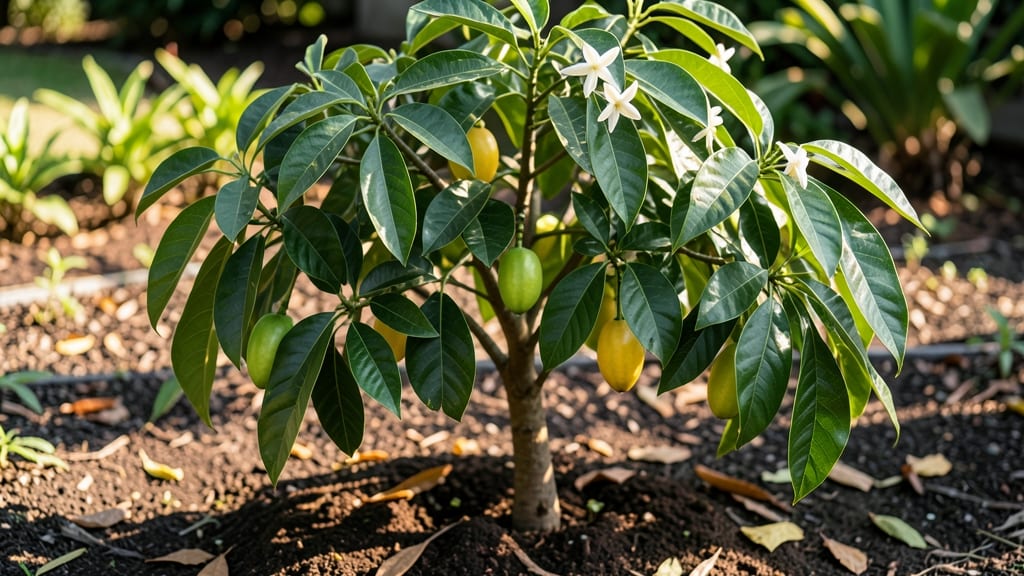
Star fruit grows best in USDA hardiness zones 10 through 12, where warm temperatures stay above 30°F year-round. Exposure to freezing temperatures below 28°F will kill the plant, so frost protection is critical even in marginal zones like 9b.
This tropical fruit originated in Southeast Asia and simply can't tolerate chilly weather. 🌿 The plant's delicate leaves and stems freeze at 28°F or lower, which is why gardeners in zones 9b and below need to grow it in containers or protected spaces.
Even a brief cold snap can devastate an outdoor plant, so understanding your local microclimates becomes essential for success.
For example, coastal areas in zone 9b often experience milder winters than inland regions, making them better candidates for outdoor star fruit cultivation. Meanwhile, gardeners in zone 8 might need to bring potted plants indoors during winter months entirely.
The key is matching your growing conditions to the plant's strict temperature requirements while providing the right care adjustments.
💡 In This Article
- USDA Zones 10-12: Ideal Star Fruit Climate Requirements
- Extending Star Fruit Growth in Zones 9b and Below
USDA zones 10-12: ideal star fruit climate requirements
Star fruit, scientifically known as Averrhoa carambola, originates from tropical regions where temperatures rarely dip below 60°F at night. This tropical heritage explains why zones 10-12 provide the perfect balance of warmth and humidity.
The plant's leaves begin to show damage at 55°F and will suffer irreversible harm when exposed to 32°F or lower for more than a few hours. Even brief cold snaps below 40°F can stunt growth and reduce fruit production.
The key to successful cultivation lies in maintaining consistent warmth. In zone 10, where winters average 50-60°F, star fruit thrives with minimal protection. However, zones 11 and 12—with their year-round temperatures above 65°F—offer ideal conditions for both growth and fruiting.
Humidity levels between 60-80% further enhance fruit development, as the plant's native habitat receives consistent rainfall. In contrast, areas with dry seasons may require additional irrigation to maintain optimal moisture levels.
What most gardeners don't realize is that star fruit's heat tolerance extends beyond just survival—it thrives in summer temperatures up to 95°F when paired with proper shade during peak afternoon heat. The plant's glossy, waxy leaves actually help reflect excess sunlight, but prolonged exposure above 100°F can cause leaf scorch.
This is why coastal zones often outperform inland areas in the same hardiness zone, as ocean breezes provide natural cooling.
Rainfall patterns also play a crucial role. Star fruit requires 40-60 inches of annual rainfall, but too much water can lead to root rot. In zones 10-12, gardeners should aim for 1-2 inches of water per week, adjusting for seasonal variations.
The plant's shallow root system means it needs well-draining soil to prevent waterlogging, which is particularly important during the monsoon seasons common in these tropical zones.
For those growing in zone 12, where temperatures rarely drop below 70°F, the main challenge becomes protecting the plant from intense sunlight rather than cold. Young plants benefit from partial shade during their first year, while mature trees develop natural shade tolerance.
The fruit itself ripens best when exposed to 75-85°F daytime temperatures, which is why harvest times often align with the hottest months in tropical climates.
Understanding these climate requirements helps explain why star fruit fails in cooler zones. The plant's metabolic processes slow dramatically below 60°F, leading to poor flowering and fruit set. Even in zone 10, gardeners must monitor nighttime temperatures closely, as drops below 50°F can trigger leaf drop and stress.
This sensitivity is why container growing becomes essential in marginal zones—it allows for easy relocation during cold snaps.