
Pruning
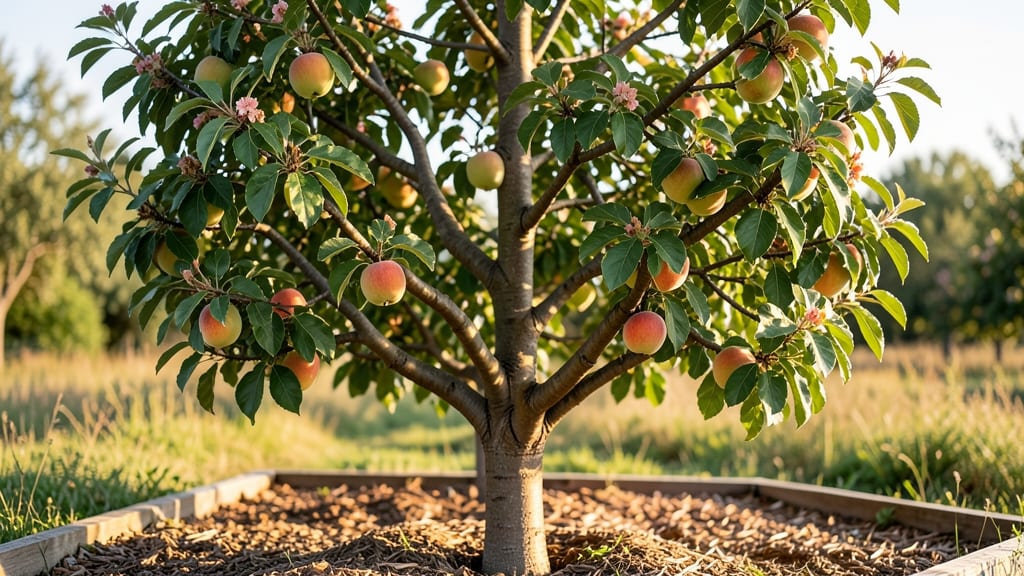
Stone fruit trees deliver juicy rewards—but only if you prune them right. 🌿 I’ve watched my peach tree go from scraggly to bursting with fruit in just two seasons by pruning strategically year-round, not just in winter.
The key isn’t just cutting branches; it’s shaping the tree to maximize sunlight, airflow, and fruit production while keeping it healthy through every season. Most gardeners wait until winter to prune, but stone fruits need attention in spring, summer, and fall too.
Winter cuts remove deadwood, while spring pruning encourages new growth, and summer thinning prevents overcrowding. My nectarine tree, for example, now produces larger, sweeter fruit because I prune for balance, not just looks. You’ll learn the exact cuts to make—and when—to turn your tree into a fruit-producing machine.
By the end of summer, you’ll see plump, flavorful fruit hanging heavy on the branches, and the tree will look neat and productive instead of tangled. The best part? These techniques work for peaches, plums, cherries, and apricots—no matter where you live.
Let’s get those pruners sharpened and start shaping your harvest!
Before you begin, you’ll need a few basics: clean, sharp pruners, rubbing alcohol (to sterilize cuts), and a glove—stone fruit trees have thorns. Choose a sunny spot with well-draining soil (they hate soggy roots) and space trees 15-25 feet apart, depending on the variety.
Planting in late fall or early spring gives roots time to establish before summer heat hits. If you’re transplanting a young tree, keep the root ball intact and water it deeply right after planting. The real magic happens in seasonal pruning.
Winter is for structural cuts—removing dead, crossing, or weak branches. Spring focuses on light shaping to encourage fruit buds, while summer is about thinning to prevent overcrowding. My plum tree, for instance, now has better airflow after I pruned out dense growth, cutting back on fungal issues.
You’ll also learn how to prune for dwarf varieties if space is tight.
Here’s the game-changer: prune for fruit, not foliage. Every cut should open the tree’s center to sunlight, which means bigger, sweeter fruit and fewer disease problems. I used to prune too late in spring, and my cherries would get late-season blight—now I adjust my timing based on blooming.
You’ll also spot common mistakes like over-pruning (which stresses the tree) or leaving stubs (which invites pests). With these tips, your tree will thrive year after year, and you’ll enjoy harvests that put store-bought fruit to shame.
📚 In This Guide
- What you need
- Instructions
- Tips and common mistakes
- Wrapping up and next steps
What you need
- ● Pruning shears: Bypass pruners (sharp, 6–8 inch blades) for small branches (1 pair)
- ● Loppers: Long-handled (20–24 inch) for thicker branches (1 pair)
- ● Pruning saw: Curved-tooth saw for large limbs (1)
- ● Gloves: Heavy-duty, cut-resistant gloves (1 pair)
- ● Disinfectant: 70% isopropyl alcohol or bleach solution (1:9 ratio) (small spray bottle)
- ○ Pruning sealant: Optional for large cuts (e.g., Tanglefoot Tree Wound Pruning Seal) (small tube)
- ● Ladder or step stool: Sturdy, extendable (if tree is tall) (1)
- ● Buckets or bags: For collecting pruned branches (2–3)
- ● Sharpener: File or honing tool for pruners/saws (1)
- ● Marking twine: To flag branches for removal (small spool)
- ● Safety glasses: Protect your eyes from debris (1 pair)
- ○ Tree growth regulator: (e.g., hydrogen dioxide spray) for post-pruning care (optional)
Step-by-step year-round pruning for stone fruit trees
Here’s the exact pruning schedule and technique I use to keep my peaches, plums, and nectarines producing heavy harvests year after year.
🌿 Step 1: Late Winter Dormant Season Pruning (Jan-Feb)
This is the most critical pruning window—do it before buds swell. Start by removing dead, diseased, or crossing branches first. I use clean, sharp pruners to make cuts just outside the branch collar (the swollen area where the branch meets the trunk). This prevents unsightly stubs that invite rot.
Next, open the center of the tree by removing upward-growing branches that compete with the main scaffold. Aim for an open vase shape that lets sunlight and air circulate. For mature trees, limit cuts to no more than 25% of the canopy—aggressive pruning now stresses the tree when it needs energy for spring growth.
Here’s the thing—I always prune on a dry day to reduce sap bleeding. If you see excessive sap oozing, apply pruning sealant to larger cuts over ½ inch in diameter. This step prevents disease entry points while the tree’s defenses are still dormant.
✂️ Step 2: Summer Light Pruning (June-July)
After the first flush of fruit sets, do a light maintenance prune to remove suckers (vigorous shoots at the base) and water sprouts (fast-growing vertical shoots). These compete with fruit production and weaken the tree’s structure. I make these cuts in early morning when the tree is turgid with water—clean cuts heal faster.
Watch for overcrowded branches where fruit clusters shade each other. Thin these areas by removing entire branches rather than just fruit spurs. You’ll see fewer but larger, higher-quality fruits later. For peaches specifically, I remove all but 6-8 fruits per cluster to prevent overburdening the tree.
This is also when I check for diseased leaves or cankers. Sterilize your pruners with rubbing alcohol between cuts to prevent spreading brown rot or bacterial spot. Real talk: Skipping this step leads to a weaker tree next season.
☀️ Step 3: Post-Harvest Cleanup (Aug-Sept)
Once harvest wraps up, remove all remaining fruit mummies (dried, diseased fruit) and deadheading spent blossoms. This reduces overwintering pests and diseases. I use sterilized shears to trim back any damaged or weak growth from late-season storms or pests.
For stone fruits, focus on structural pruning—shorten last year’s growth by ⅓ to encourage bushier, more productive branches. The goal is to balance growth so the tree doesn’t get top-heavy. You’ll notice new lateral branches forming within weeks, which will bear next year’s fruit.
Don’t skip this step. I’ve seen trees with unchecked growth produce small, poor-quality fruit the following year because they’re putting energy into vertical growth instead of fruit development.
⏰ Step 4: Winter Sanitation (Nov-Dec)
Before winter dormancy sets in, remove all fallen leaves, fruit, and debris from under the tree. Stone fruits like peaches and plums are prone to brown rot and bacterial canker, and old organic matter harbors spores. I rake up everything within a 6-foot radius and dispose of it in the trash—not the compost pile.
Inspect the tree for dormant cankers (sunken, cracked areas on branches). Scrape these with a sterilized knife and paint with dormant oil to smother overwintering pests. This is your last chance to prevent next year’s problems before the ground freezes.
Here’s what I do next: I wrap the trunk of young trees with tree guard to protect against voles and rabbits. For mature trees, a thick layer of mulch (up to 3 inches deep) insulates roots and retains moisture for early spring growth.
Tips & tricks for perfect stone fruit tree pruning
These are the game-changing details that'll transform your stone fruit harvest from decent to spectacular.
Branch Collar Precision: When making cuts in Step 1, focus on the branch collar—the swollen area where the branch meets the trunk. Cut just outside this collar, never flush with it. I've seen too many pruners leave stubs that invite rot and disease. This small detail makes all the difference in preventing future problems. The collar contains protective cells that help the wound heal properly.
Seasonal Timing Secret: The Jan-Feb window for dormant pruning is critical—buds must still be dormant. If you prune too early, you risk damaging new growth that hasn't formed yet. For summer pruning in June-July, wait until after the first fruit set but before rapid growth begins. This timing balance prevents stressing the tree when it needs energy for fruit production.
Tool Sanitation Strategy: Sterilize your pruners between every cut during summer pruning (Step 2) and winter sanitation (Step 4). I use rubbing alcohol on a cloth between cuts to prevent spreading brown rot and bacterial spot. This might seem tedious, but it's the difference between a healthy tree and one struggling with disease. For larger pruning jobs, consider using a dedicated pair of pruners for diseased branches only.
Pro Tips for Stone Fruit Tree
- These are the game-changing details that'll transform your stone fruit harvest from decent to spectacular.
- Branch Collar Precision: When making cuts in Step 1, focus on the branch collar—the swollen area where the branch mee...
- Seasonal Timing Secret: The Jan-Feb window for dormant pruning is critical—buds must still be dormant. If you prune t...
Frequently asked questions
Got questions about keeping your stone fruit tree thriving with year-round pruning? Here are answers to some of the most common ones—so you can harvest like a pro!
When is the best time to prune stone fruit trees?
Prune stone fruit trees (like peaches, plums, or cherries) in late winter or early spring, just before buds swell but before new growth starts. Avoid heavy pruning in summer, as it can stress the tree. Light shaping can happen after harvest, but focus on major cuts in dormant season.
Can I prune stone fruit trees in winter?
Yes! Winter pruning (Dec–Feb) is ideal for removing dead or diseased wood and opening the canopy for sunlight. However, avoid pruning during extreme cold snaps (below 20°F/-7°C), as it can damage the tree. Wait for milder days to minimize stress.
How much should I prune my stone fruit tree?
Remove 15–25% of the tree’s canopy each year to maintain health. Focus on:
- Dead, crossing, or weak branches
- Suckers at the base
- Overcrowded growth
Why are my stone fruit tree’s leaves yellowing after pruning?
Yellowing leaves post-pruning can signal nutrient deficiency (common after heavy cuts) or bacterial leaf spot. Fix it by:
- Applying a balanced fertilizer (high in nitrogen temporarily)
- Ensuring proper watering (1–2 inches/week)
- Removing infected leaves and disinfecting pruners
What’s the difference between pruning peach vs. plum trees?
Both need similar care, but peach trees are more sensitive to bacterial canker, so sterilize tools with rubbing alcohol between cuts. Plum trees (especially European types) may need thinning to prevent overcrowding—remove 30% of fruit when young to improve size. Always prioritize air circulation!
Wrapping up and next steps
Growing stone fruit trees like peaches, plums, or cherries is a rewarding journey—one that thrives on consistent care, especially when it comes to pruning.
By mastering year-round pruning techniques, you’ll unlock healthier trees, bigger harvests, and fruit that’s sweeter than ever. 🌱 Whether you’re a seasoned gardener or just starting, every snip brings you closer to that perfect summer bounty!
Ready to take the next step? Start small:
- Pick one tree to practice on this season.
- Grab your pruners and a notebook to track progress.
- Join a local gardening group for hands-on tips!