
Mower
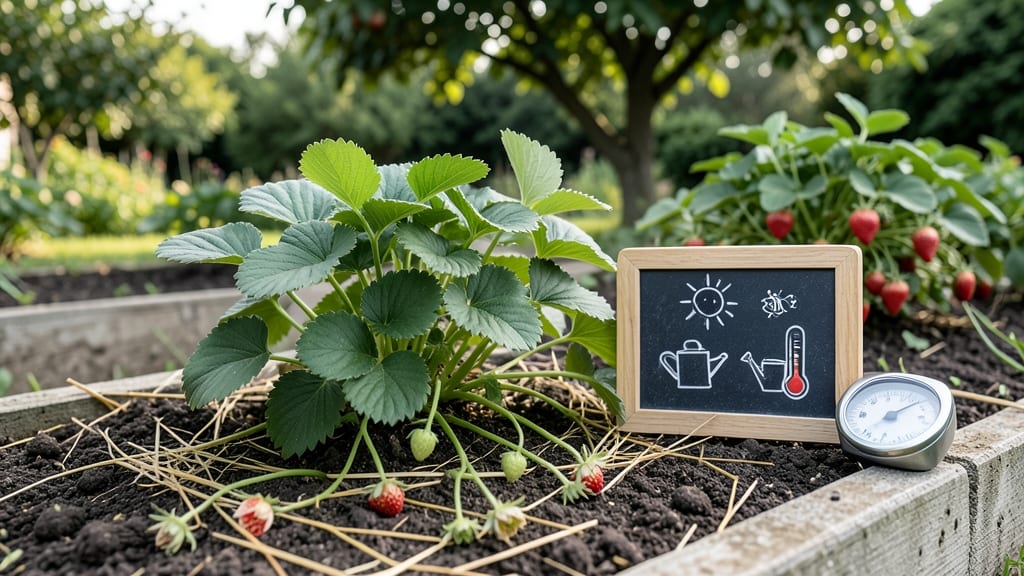
Your strawberry plants are throwing a tantrum by refusing to fruit, and I’ve been there—strawberries not fruiting after months of green leaves feels like a betrayal. 🌱 The good news? It’s almost always fixable with a few targeted tweaks, not a full garden overhaul.
Most gardeners miss one of three key triggers: sunlight, pollination, or soil balance, and I’ll show you how to check each in under an hour.
Start with sunlight—strawberries need at least 6-8 hours of direct sun daily, but many gardeners plant them in partial shade without realizing it. Next, check for pollinators: if your berries stay tiny or never form, hand-pollinate with a soft brush or invite bees with nearby flowers.
Finally, test your soil—too much nitrogen makes lush leaves but no fruit, while a balanced 10-10-10 fertilizer (or compost) shifts energy to berries.
Within 2-3 weeks of adjusting care, you’ll see new flower buds forming, and by mid-season, your plants will be heavy with ripe fruit. The best part? These fixes work for both June-bearing and everbearing varieties, so no matter what type you grow, this troubleshooting guide puts you back on track.
If pests or disease are the real culprits (like spider mites or powdery mildew), we’ll spot those too—but first, let’s rule out the most common issues. Grab your gloves and let’s get those berries growing!
Hidden Reasons Your Strawberries Skip Fruit
Strawberries are the sweet stars of summer gardens—but when they refuse to fruit, frustration sets in. 😤 The issue often boils down to environmental mismatches, physiological stress, or cultural oversights that disrupt the plant’s natural flowering and fruiting cycle.
Let’s break down the science behind why your berries are playing hard to get.
Strawberries are chill-sensitive and need precise conditions to trigger fruit production. Too much heat or too little light can stall flowering entirely.
- Cold Stress (Chilling Requirement): Most strawberry varieties need 100–500 hours below 45°F (7°C) during dormancy to "wake up" their fruiting genes. Without this, buds form but fail to develop. Day-neutral varieties are less picky, but June-bearing types (like 'Jewel' or 'Chandler') are strict.
- Heat Shock: Temperatures above 90°F (32°C) for extended periods can sterilize pollen or cause flower drop. Even nighttime temps above 75°F (24°C) reduce fruit set.
- Light Deficiency: Strawberries need 6–8 hours of direct sunlight daily. Shady spots (e.g., under trees) lead to weak stems, small leaves, and no flowers. Artificial grow lights (12–16 hrs/day) can help in low-light zones.
💡 Pro Tip: Use a minimum-maximum thermometer to track temps. If your area skips winter chilling, try forcing dormancy with a 30-day cold snap in a garage (50–55°F/10–13°C).
Strawberries are heavy feeders, but too much (or too little) of the wrong nutrients can derail fruiting. Think of them like picky eaters—give them the wrong menu, and they’ll strike.
- Nitrogen Overload: Too much nitrogen (N) promotes leafy growth at the expense of flowers. A soil test showing >100 ppm nitrate-N is a red flag. Reduce synthetic fertilizers and switch to balanced 5-10-10 or compost tea.
- Phosphorus & Potassium Deficiency: These are critical for flowering and fruit development. Symptoms include purple stems, weak roots, and no blossoms. Amend soil with bone meal (3-4-0) or greensand (0-0-10).
- Calcium & Boron Shortages: Both are essential for pollination and cell wall formation. Blossom end rot (black, mushy berries) or deformed fruit often signal a deficiency. Apply crushed eggshells or borax (1/4 tsp per gallon of water).
- Soil pH Gone Rogue: Strawberries thrive in pH 5.5–6.5. Too acidic (<5.0)? Add lime. Too alkaline (>7.0)? Use sulfur or peat moss. Extreme pH blocks nutrient uptake, leading to stunted growth and no fruit.
🔥 Quick Fix: Conduct a DIY soil test with a kit ($10–$20). If organic matter is <1%, mix in 3–4 inches of compost before planting.
Even with perfect flowers, strawberries need pollinators (or a helping hand) to set fruit. Poor pollination or environmental stress can cause bud blast—where flowers form but never mature.
- Lack of Bees/Hummingbirds: Strawberries are self-pollinating but benefit from cross-pollination. If your garden is bee-free, use a soft paintbrush to transfer pollen between flowers.
- Wind & Rain Interference: Heavy rain or strong winds can wash away pollen or damage stamens. Row covers can protect flowers during storms.
- Hormonal Stress (Bud Blast): Fluctuating temps, drought, or overwatering trigger ethylene gas production, causing flowers to drop. Mulch with straw to stabilize soil moisture.
- Herbicide Drift or Fungicides: Glyphosate or systemic fungicides (like chlorothalonil) can sterilize pollen. Always spot-treat diseases and avoid spraying when bees are active.
🌡️ Extreme Weather Watch: If temps swing >20°F in 24 hours, cover plants with frost cloth to prevent shock-induced flower drop.
Strawberries aren’t immortal—they peak at 2–3 years old before declining. Age, disease, and poor genetics can all sabotage fruiting.
- Over-Mature Plants: After 3–4 years, strawberries produce smaller, fewer berries due to root and crown decline. Replace every 3 years or renew with runners.
- Viral or Fungal Infections:
- Verticillium or Fusarium wilt: Causes yellowing leaves and stunted growth. Remove infected plants immediately.
- Powdery mildew: Covers leaves in white dust, blocking sunlight and reducing flowering. Spray with neem oil or baking soda mix.
- Weak or Crowded Roots: Competition from weeds or overcrowding starves plants of nutrients. Thin to 6–8 inches between crowns and mulch heavily.
- Dormant vs. Everbearing Varieties: June-bearing types fruit once per year (late spring), while everbearing/day-neutral types produce multiple flushes. If you planted the wrong type for your climate, switch varieties.
✨ Revival Hack: For semi-dormant plants, try a light pruning after flowering to redirect energy. Cut back 1/3 of the oldest leaves to encourage new growth.
Now that you know the real culprits, the next step is fixing them. Stay tuned for our 3-step revival plan to get your strawberries back on track! 🍓✨
Revive Your Strawberry Patch Now
Strawberries not producing fruit can feel like a gardener’s worst nightmare—especially after months of nurturing your plants. But don’t toss those leaves just yet! With the right fixes, you can coax your strawberries back into action.
Below, we’ve mapped out practical solutions for the most common causes, along with prevention tips to keep your plants thriving long-term.
---
Cause: Strawberries need pollinators (like bees) to set fruit. If flowers aren’t visited, they’ll drop off without fruiting.
How to Fix It: - Hand-pollinate 🐝: On cloudy or bee-free days, gently shake the plants or use a soft paintbrush to transfer pollen between flowers. - Attract pollinators 🌼: Plant bee-friendly flowers (like lavender, marigolds, or clover) nearby. Avoid pesticides that harm bees. - Choose self-pollinating varieties 🍓: If bees are scarce, opt for June-bearing or everbearing types like ‘Chandler’ or ‘Albion,’ which produce fruit without cross-pollination.
Prevention Tip: 💡 Plant strawberries in sunny, open areas where bees can easily access them. Avoid dense foliage that blocks pollinators.
---
Cause: Strawberries need 6–10 hours of sunlight daily and struggle in extreme heat or cold.
How to Fix It: - Move plants to full sun ☀️: If shaded by trees or structures, trim nearby foliage or relocate pots to sunnier spots. - Use shade cloth 🌞 (for hot climates): In scorching areas (above 90°F/32°C), provide 30–50% shade during peak afternoon heat to prevent flower drop. - Extend the season ❄️: In cold climates, use row covers in early spring or straw mulch to protect roots from frost.
Prevention Tip: ✨ Plant in early spring (after the last frost) for a head start. Avoid late-season plantings—they won’t have enough time to fruit before winter.
---
Cause: Overwatering or drought stress causes flowers to abort before fruiting.
How to Fix It: - Water deeply but infrequently 💦: Aim for 1–1.5 inches per week (soak the soil, not just the surface). Drip irrigation or soaker hoses work best. - Mulch heavily 🌿: Apply straw or wood chips (3–4 inches thick) to retain moisture and keep roots cool. - Adjust for rain ☔: If your area gets heavy rainfall, ensure pots have drainage holes or raised beds to prevent root rot.
Prevention Tip: 🎯 Water in the morning to reduce evaporation and fungal risks. Avoid wetting leaves to prevent disease.
---
Cause: Spider mites, aphids, or fungal diseases (like powdery mildew) weaken plants, reducing fruiting.
How to Fix It: - Spray with neem oil 🌿: A natural pesticide that kills soft-bodied pests without harming bees (apply in the evening). - Remove infected leaves 🗑️: Prune and dispose of yellowing or spotted foliage to stop disease spread. - Rotate crops 🔄: If fungal issues persist, avoid planting strawberries in the same spot for 3+ years.
Prevention Tip: 💡 Inspect plants weekly—catch problems early! Use reflective mulch (like silver plastic) to deter pests.
--- Cause: Poor soil or nutrient imbalances lead to weak flowers and no fruit.
How to Fix It: - Test your soil 📊: Use a DIY kit to check pH (ideal: 5.5–6.5). Amend with lime (to raise pH) or sulfur (to lower it). - Feed with balanced fertilizer 🌱: Use a 10-10-10 or 5-10-10 formula in early spring (follow label rates). - Add compost 🌿: Mix in aged compost or worm castings before planting for organic nutrients.
Prevention Tip: ⏰ Avoid high-nitrogen fertilizers (like lawn food)—they promote leafy growth but fewer berries.
--- If your strawberries are old or overcrowded, they may stop fruiting. Rejuvenate them with these steps: 1. Remove old runners ⏰ (last year’s growth) to redirect energy to new plants.
2. Divide mature plants 🌱: Dig up clumps, separate crowns, and replant the healthiest sections. 3. Replace every 3–4 years 🔄: Strawberry plants decline over time—renew beds for better yields.
--- Final Pro Tip: 🎯 Patience is key! Some fixes (like pollination or soil amendments) take 4–6 weeks to show results. Keep a gardening journal to track progress.
With these solutions, your strawberry patch should be bursting with fruit in no time. Happy gardening! 🍓✨
Frequently asked questions
Why do my strawberry plants have flowers but no fruit?
This usually means poor pollination or environmental stress. Strawberries are self-pollinating but need bees or wind to transfer pollen. Try hand-pollinating with a soft brush on cloudy days, or check for heat stress (above 90°F/32°C) which can sterilize pollen.
Can I fix strawberries that aren't fruiting because of old age?
Yes! Strawberries decline after 3-4 years. Rejuvenate by removing old runners, dividing the crowns, and replanting the healthiest sections. For immediate results, fertilize with phosphorus-rich compost to stimulate new growth.
What should I do if my strawberries get too much nitrogen?
Excess nitrogen causes leafy growth but no fruit. Stop using high-nitrogen fertilizers and switch to a balanced 5-10-10 formula. Add bone meal (3-4-0) to boost phosphorus for flowering. Flush the soil with water to leach out excess nitrogen.
How do I know if my strawberries need more sunlight?
Check for weak stems, small leaves, and pale green color—signs of light deficiency. Strawberries need 6-8 hours of direct sun daily. Move potted plants to sunnier spots or thin nearby shade trees. Use a sunlight meter to confirm light levels.
Will pruning help strawberries that aren't fruiting?
Yes! Prune 1/3 of the oldest leaves after flowering to redirect energy. Remove diseased or yellowing leaves to improve airflow. Avoid heavy pruning—just enough to encourage new growth while maintaining the plant's structure.