
Trees
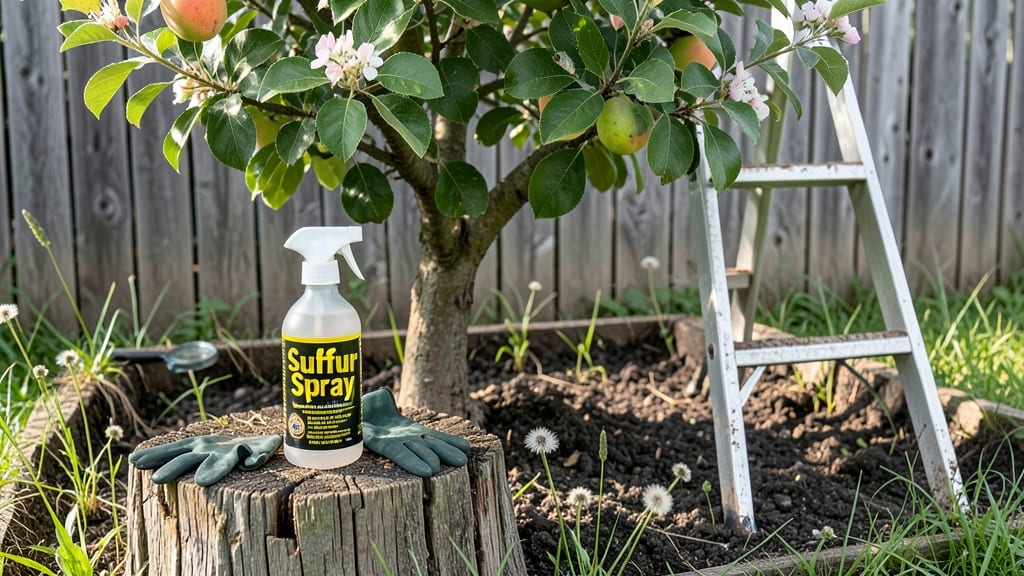
My fruit trees stayed healthy through last summer’s fungal outbreak thanks to sulphur spray—a game-changer for organic growers. 🌱 The key is timing: apply it before fungal spores take hold, but never when blooms are open (it can damage pollen).
I’ve used it on apples, peaches, and cherries, and the difference in fruit quality is night-and-day.
You’ll need wettable sulphur powder, water, and a sprayer rated for 10-20 gallons. Mix 2-4 pounds per 100 gallons of water, depending on severity—start light and adjust. Safety first: wear gloves, avoid windy days, and never spray when rain’s forecasted.
The spray works by creating an inhospitable environment for fungi and mites, not by killing them outright.
Expect to see results within 1-2 weeks of application, with fewer leaf spots, mildew, and fewer pests clinging to branches. The trees develop a natural resistance over time, and you’ll harvest fruit that’s firm, flavorful, and free of blemishes. It’s also budget-friendly—costs pennies compared to chemical fungicides.
For best results, combine sulphur spray with pruning diseased branches and mulching to keep soil dry. Avoid using it during bloom or on stressed trees—wait until new growth appears. With consistent use, you’ll cut fungal issues by 70-90% and keep your orchard thriving for years.
📚 In This Guide
- What you need
- Instructions
- Tips and common mistakes
- Wrapping up and next steps
What you need
- ● Sulphur powder (90% purity or higher) – 1–2 lbs per 100 gallons of water (adjust based on tree size and severity of fungus).
- ● Water – 100 gallons per large tree or 50 gallons for smaller trees (use clean, non-chlorinated water).
- ● Spraying equipment: Hose-end sprayer (for large trees) or
- ● Backpack sprayer (for smaller trees or tight spaces).
- ● Protective gear: Nitrile gloves (sulphur can irritate skin!)
- ● Long sleeves & pants
- ● Safety goggles
- ● Respirator mask (if mixing large quantities).
- ○ pH test kit (optional but helpful) – Ensures your spray solution is pH-neutral (6.0–7.0) for safety.
- ● Wetting agent – 1 tsp per gallon (improves spray adhesion).
- ● Stirring stick or paddle – For even mixing in large containers.
- ● Weatherproof tarp – To cover nearby plants or surfaces if overspray is a concern.
- ● Ladder or extension wand – For reaching high branches safely.
Step-by-Step guide to applying sulphur spray for fruit trees
Here's how to create and apply an effective sulphur spray that keeps fungal diseases at bay.
🌿 Step 1: Gather and Prepare the Sulphur Solution
First, you'll need 5 pounds of wettable sulphur powder for every 100 gallons of water. I like to mix this in a large plastic or metal container—just avoid aluminum, as it reacts with sulphur. Start by filling your container with 50 gallons of water, then slowly add the sulphur while stirring continuously. The goal is to create a fine suspension, not a clumpy paste.
Let the mixture sit for 10-15 minutes before adding the remaining 50 gallons of water. This gives the sulphur time to fully disperse. Stir again before use. The solution should look cloudy but not gritty—if it feels coarse, strain it through a fine mesh to avoid clogging your sprayer. Always wear a mask and gloves during mixing, as sulphur dust can irritate skin and lungs.
✂️ Step 2: Apply the Spray at the Right Time and Conditions
Timing is everything with sulphur sprays. Apply it early in the growing season, ideally just before buds swell but before flowers open. This prevents fungal spores from establishing on new growth. Wait until morning or evening when temperatures are below 85°F—sulphur can burn leaves if applied in direct sunlight or extreme heat.
Use a hose-end sprayer or backpack sprayer to apply the solution thoroughly, covering both sides of leaves, stems, and fruit clusters. Focus on areas where fungal diseases like powdery mildew or black spot commonly appear. Lightly mist the ground beneath the tree to prevent spores from lingering there. Avoid spraying when rain is forecasted within 24 hours, as it will wash off before it can work.
💧 Step 3: Monitor and Reapply as Needed
After the initial application, reapply the sulphur spray every 7-10 days during active growth or whenever you notice early signs of fungal infection. Look for white powdery patches (powdery mildew) or dark spots with yellow halos (black spot) on leaves. These are your cues to act fast—sulphur works best as a preventative, but it can still help once symptoms appear.
Rotate with other fungicides if necessary, but avoid mixing sulphur with copper-based sprays or oils, as chemical reactions can reduce effectiveness. Keep records of your spray schedule—this helps you spot patterns in disease outbreaks and adjust your timing for next season. If leaves start turning yellow or crispy, you’ve overapplied; flush the soil with water and reduce future doses.
☀️ Step 4: Maintain Tree Health for Long-Term Protection
A sulphur spray is just one part of disease prevention. Ensure your fruit trees get 6-8 hours of sunlight daily and 1-2 inches of water weekly, adjusting for your climate. Prune to improve air circulation—crowded branches trap moisture and spores. Remove and destroy infected leaves or fruit immediately to stop the spread.
Healthy trees are resilient. I’ve found that mulching with 2-3 inches of organic matter (like wood chips) helps retain moisture and suppresses fungal spores in the soil. Avoid overhead watering, which can spread diseases. With consistent sulphur applications and good cultural practices, your trees will stay strong and productive for years.
Tips & tricks for perfect sulphur spray application
Real talk: sulphur spray works best when you nail the details. Here's what nobody tells you about getting it right.
Mixing Precision: That 10-15 minute rest period in Step 1 isn't just for show—it's when the sulphur fully disperses into a fine suspension. I've seen people skip this and end up with clumps that clog sprayers. Use a clean, dedicated stirring tool (wood or plastic) to avoid metal contamination, which can reduce effectiveness. The mixture should feel silky smooth, not gritty, when you run your fingers through it.
Temperature Matters: The 85°F threshold in Step 2 is non-negotiable. I learned this the hard way after seeing leaves crisp up midday. Always check the forecast and apply before 10 AM or after 4 PM. If you must spray during hotter conditions, increase your water volume by 20% to help dissipate heat. A simple leaf thermometer (available at garden centers) can help you monitor surface temperatures before applying.
Equipment Upgrade: While hose-end sprayers work, I recommend investing in a backpack sprayer with adjustable nozzles for better control. The key is even coverage—you should be able to see the solution glisten on both leaf surfaces without pooling. For large orchards, consider renting a mist blower for more efficient application. Remember to clean your equipment thoroughly with vinegar after each use to prevent sulphur buildup.
Monitoring System: Set up a simple monitoring schedule using these visual cues: powdery mildew appears as white, dusty patches that can be wiped off with your finger, while black spot shows as dark, circular lesions with yellow halos. Take photos of infected areas before treatment to track progress. I keep a small notebook near my spray supplies to record application dates and weather conditions—this helps me spot patterns in disease outbreaks over the years.
Pro Tips for Sulphur Spray For Fruit Trees
- Real talk: sulphur spray works best when you nail the details. Here's what nobody tells you about getting it right.
- Mixing Precision: That 10-15 minute rest period in Step 1 isn't just for show—it's when the sulphur fully disperses into a fine suspension.
- Temperature Matters: The 85°F threshold in Step 2 is non-negotiable.
Frequently asked questions
Got questions about using sulphur spray for your fruit trees?
You’re not alone! Here are answers to the most common concerns—so you can confidently protect your harvest from fungal foes.
When is the best time to apply sulphur spray?
Apply sulphur spray preventively before fungal issues arise—typically in early spring (before buds swell) and late summer (after harvest). Avoid spraying when temperatures exceed 90°F (32°C), as it can damage leaves. Pro tip: Early morning applications minimize leaf burn from heat.
Can sulphur spray harm bees or beneficial insects?
Yes! Sulphur is toxic to bees and other pollinators. Never spray when flowers are open or bees are active. Opt for evening applications (after bees return to hives) or use alternatives like copper fungicide during bloom. Always check local bee activity before treating.
What if sulphur spray doesn’t work? Are there alternatives?
If sulphur fails, try these fungicide alternatives:
- Copper fungicides (e.g., Bordeaux mixture) – Effective for peach leaf curl and blight.
- Neem oil – Organic, prevents powdery mildew (mix with water + mild soap).
- Baking soda spray (1 tsp baking soda + 1 quart water + drop of oil) – Great for early fungal signs.
Note: Rotate treatments to avoid resistance.
How do I know if I’m using the right concentration?
Most sulphur sprays require 1–2 lbs per 100 gallons of water for general use. For severe fungal issues, follow label instructions—overuse can cause leaf burn. Test a small branch first to check for sensitivity. Mix thoroughly and apply until runoff on undersides of leaves (fungi love hiding there!).
How often should I reapply sulphur spray?
Reapply every 2–4 weeks during active growing seasons (spring to fall) or after heavy rain (sulphur washes off). For persistent problems, stick to a biweekly schedule. Store spray in a cool, dark place and shake well before each use—settled sulphur loses potency.
Can I use sulphur spray in winter?
Winter applications are rarely needed unless you’re treating dormant fungal spores (like peach leaf curl). If applying, do so on dry, calm days below 40°F (4°C) to avoid leaf damage. Focus on pruning infected branches instead—sulphur’s effectiveness drops in cold, wet conditions.
Wrapping up and next steps
Using sulphur spray for fruit trees is a game-changer for keeping fungal diseases at bay and ensuring your orchard thrives! 🌱 With the right preparation, timing, and safety measures, you’ll protect your trees while maintaining a healthy harvest. Don’t wait—your fruit trees will thank you!
Ready to take action? Start by gathering your supplies, checking the weather, and scheduling your first application this season. Your lush, disease-free fruit trees are just a spray away! 🍏🍎