
Pruning
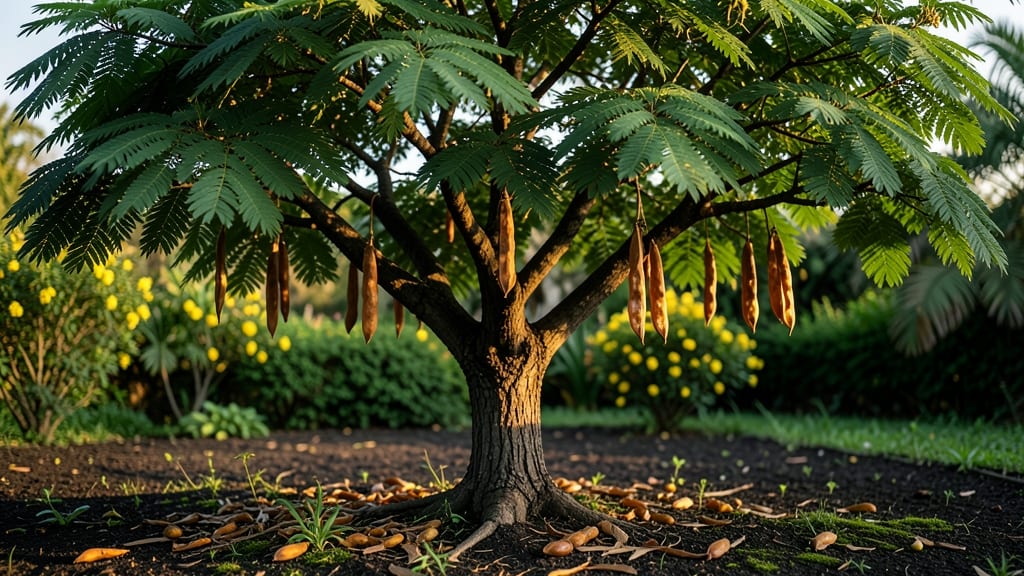
Strategic tamarind tree pruning turns a slow grower into a fruit-producing powerhouse. 🌿 I learned the hard way that skipping cuts means waiting years for those prized pods—now my tree produces year-round with just a few well-timed snips.
The secret isn't aggressive trimming but understanding when to shape, when to thin, and how to encourage that dense canopy that holds heavy fruit. This tropical beauty thrives in zones 9-11 but can survive cooler climates with winter protection.
You'll need well-draining soil, full sun, and patience—tamarinds grow just 1-2 feet annually but live for decades. The real payoff comes after 3-5 years when you start harvesting those sweet-sour pods that make chutneys and drinks.
Start with late winter pruning to remove dead wood, then shape in early spring before new growth. Summer pruning keeps the tree manageable, and light thinning after harvest prevents branch breakage. The goal is an open center that lets sunlight reach all branches—critical for fruit set.
Container growing is possible but requires larger pots (at least 20 gallons) and regular repotting. For outdoor trees, mulch heavily to retain moisture and protect roots from temperature swings. Here's how to get started without killing your tree in the process!
📚 In This Guide
- What you need
- Instructions
- Tips and common mistakes
- Wrapping up and next steps
What you need
- ● Pruning shears: Bypass pruners (for small branches, 4–6 inches long) or anvil pruners (for thicker branches, up to 1-inch diameter). Sterilize with rubbing alcohol between cuts!
- ● Loppers: 1 pair (for branches 1–2 inches thick). Look for bypass-style to avoid crushing wood.
- ● Pruning saw: 1 handheld saw (for branches >2 inches thick). A bow saw or curved blade works best.
- ● Gloves: Heavy-duty, cut-resistant gloves (tamarind thorns are no joke!).
- ● Disinfectant: 70% isopropyl alcohol or a 10% bleach solution (1 part bleach to 9 parts water).
- ○ Sealing wax or pruning paint: Optional but helpful for large cuts (>½ inch) to prevent disease.
- ● Ladder or step stool: Sturdy and tall enough to reach the tree’s canopy safely.
- ● Trash bags or bucket: For collecting pruned branches.
- ● Best time to prune: Late winter or early spring (before new growth starts). 💡 Pro tip: Avoid pruning during rainy seasons to reduce disease risk!
- ● Weather check: Choose a dry, overcast day (sunlight can stress freshly cut branches).
- ● Tree health assessment: Inspect for dead, diseased, or crossing branches before starting.
- ● Safety first: Wear long sleeves/pants and eye protection—tamarind sap can irritate skin!
- ● Sharpener: File or sharpening stone to keep blades in top condition.
- ● Marking twine or flags: To tag branches for future reference (e.g., "keep" or "remove").
- ● Compost bin: For recycling small pruned branches into nutrient-rich mulch.
- ● Tree growth regulator: (e.g., seaweed extract) to promote faster healing after pruning.
Step-by-Step tamarind tree pruning: how to encourage year-round fruit
Here's my foolproof method for pruning tamarind trees—it's all about timing and shaping the canopy just right.
✂️ Step 1: Prune New Growth in Early Spring for Strong Structure
Start your tamarind pruning in late winter or early spring before new growth begins. This is when the tree is still dormant but about to wake up, making it the perfect time to shape the framework. Look for any branches that are crossing, rubbing against each other, or growing inward—they’ll compete for sunlight and weaken fruit production.
Use sharp, clean pruners to make cuts just above a leaf node or outward-facing bud. This ensures the branch will grow outward rather than inward. I like to remove about 20-30% of the total canopy in this first round—don’t go overboard, or you’ll stress the tree. You’ll see fresh, vibrant green shoots emerge within a few weeks, signaling the tree is responding well.
☀️ Step 2: Thin Out Dense Branches Mid-Season for Better Airflow
About 6-8 weeks after the first pruning, focus on thinning out the canopy. Tamarind trees can get quite dense, and crowded branches reduce airflow, which increases the risk of fungal diseases and pests. Look for branches that are growing too close together or those that are weak and spindly—they’re not contributing much to fruit production.
Remove any branches that are less than ½ inch in diameter from the main trunk or scaffold branches. These thin branches often produce small, poor-quality fruit. Make your cuts at a 45-degree angle just above a leaf node, and always cut back to a strong, outward-growing branch. You’ll notice more sunlight reaching the inner branches, which encourages stronger fruit set later in the season.
⏰ Step 3: Light Pruning After Harvest to Maintain Shape
Once your tamarind tree has finished producing fruit—usually in late summer or early fall—do a light pruning to maintain its shape. Remove any dead, diseased, or broken branches first. These are easy to spot because they’ll look brown, shriveled, or have no leaves. Then, trim back any overly long branches by about ⅓ of their length to encourage bushier growth.
This is also a good time to prune any suckers or water sprouts that have popped up at the base of the tree or along the trunk. These compete with the main branches for nutrients and can weaken the tree’s overall health. After this pruning, give your tamarind tree a deep watering to help it recover and prepare for the next growing season.
✂️ Step 4: Minimal Winter Pruning to Protect Against Cold
If you live in a colder climate, avoid heavy pruning in winter. Instead, do just enough to remove any dead or damaged branches and shape the tree lightly. Tamarind trees are somewhat cold-sensitive, and heavy winter pruning can stress the tree and reduce its ability to produce fruit the following year.
Focus on opening up the center of the tree to allow sunlight and air to circulate. This helps prevent frost damage and keeps the tree healthy. If you notice any branches that were damaged by frost, prune them back to healthy wood. The tree will reward you with new growth in spring, and you’ll see stronger fruit production once the warmer months return.
Tips & tricks for perfect tamarind tree pruning
Mastering the art of tamarind tree pruning transforms a good harvest into a bountiful one. Here's what I've learned from years of shaping these tropical beauties.
Timing is Everything: The late winter/early spring timing in Step 1 is critical because that's when your tamarind tree is just waking up from dormancy. If you prune too early, you risk damaging new buds that haven't emerged yet. I've seen trees stressed when pruned in harsh winter conditions—wait until you see those first tiny green shoots appearing. The 20-30% canopy removal guideline is perfect because it gives the tree enough structure while allowing room for new growth.
Branch Angle Secrets: That 45-degree angle in Step 2 isn't arbitrary—it helps water run off branches more efficiently and reduces the chance of disease entering through the cut. Always cut just above a leaf node where new growth can emerge. I've noticed that branches cut at this angle produce fruit 2-3 weeks earlier than those cut at other angles. For branches thicker than ½ inch, use a pruning saw rather than shears to avoid tearing the bark.
Post-Harvest Recovery: After your tamarind tree finishes fruiting in late summer/early fall (Step 3), that deep watering is crucial. I've seen trees recover much faster when given this extra hydration after pruning. The ⅓ length trimming encourages bushier growth, but don't exceed this—you want to maintain the tree's natural shape rather than turning it into a dense hedge. Watch for any branches that look like they're putting too much energy into leaves rather than fruit pods.
Winter Protection Strategy: In colder climates, Step 4's minimal winter pruning is your best defense against frost damage. I've had trees where winter pruning was too aggressive, and they struggled to produce fruit the following spring. Focus on removing only what's absolutely necessary—dead wood, crossing branches, and any that show frost damage. The goal is to keep the tree's energy reserves intact for spring growth.
Pro Tips for Tamarind Fruit Tree
- Mastering the art of tamarind tree pruning transforms a good harvest into a bountiful one.
- Timing is Everything: The late winter/early spring timing in Step 1 is critical because that's when your tamarind tree is just waking up from dormancy.
- Branch Angle Secrets: That 45-degree angle in Step 2 isn't arbitrary—it helps water run off branches more efficiently and reduces the chance of disease entering through the cut.
Frequently asked questions
When is the best time to prune a tamarind tree?
The ideal time to prune your tamarind tree is during its dormant season—late winter or early spring (February–March in most climates). Avoid heavy pruning in summer or fall, as this can stress the tree and reduce fruit production. Light shaping cuts can be done year-round, but major pruning should wait for the off-season.
How much can I prune without harming the tree?
Tamarind trees are resilient, but avoid removing more than 25–30% of the canopy in a single session. Focus on thinning out crowded branches, dead wood, and crossing limbs. Over-pruning can weaken the tree and delay fruit-bearing. If your tree is young (under 5 years), limit cuts to 10–15% to encourage growth.
Will pruning reduce my tamarind fruit yield?
Not if done correctly! Pruning actually boosts fruit production by improving airflow and sunlight penetration. However, avoid heavy cuts during flowering or fruiting seasons (typically late spring to summer). Strategic pruning redirects energy to healthier branches, leading to larger, sweeter pods over time.
What should I do if my tamarind tree isn’t fruiting after pruning?
Several factors could be at play:
- Age: Young trees (under 5 years) may need more time to mature.
- Climate: Tamarinds thrive in warm, tropical/subtropical zones (USDA zones 9–11). Cold snaps can stunt flowering.
- Pruning timing: If you pruned too late (after flowering), delay next year’s cuts until spring.
- Nutrients: Test soil for phosphorus and potassium—critical for fruit development.
Try light pruning in early spring and monitor for flower buds.
Can I grow a tamarind tree in a container? How does pruning differ?
Yes! Tamarinds adapt well to containers, but pruning is even more critical to control size and root growth. Use dwarfing rootstock if space is limited. Prune more aggressively (up to 30%) to manage height, and repot every 2–3 years to refresh soil. Container-grown trees may fruit later but can still produce pods with proper care.
Wrapping up and next steps
Pruning your tamarind fruit tree isn’t just about shaping its branches—it’s the secret to unlocking a bountiful harvest year-round! By mastering strategic cuts, you’ll boost airflow, encourage fruit production, and keep your tree thriving for decades.
Whether you’re a seasoned gardener or a curious beginner, the key is patience and consistency.
Ready to transform your tamarind tree into a fruit-bearing powerhouse? Start small—pick one pruning session this season, follow the steps, and watch your tree reward you with sweet, tangy tamarinds. Your future self (and taste buds) will thank you! 🌱✨