
Planting
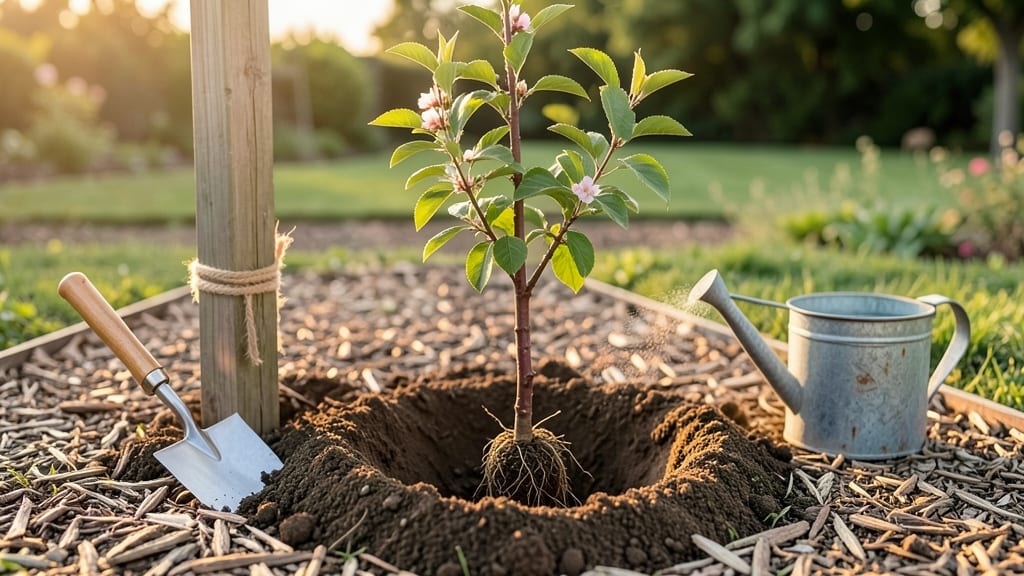
Transplanting fruit trees isn't just possible—it can save a struggling tree or expand your orchard with the right timing and technique. 🌳 I've successfully moved both young saplings and mature trees by following a few key principles that minimize stress and set the stage for years of fruit production.
The secret lies in understanding when roots are most resilient and how to protect them during the move. The best time depends on your climate, but late winter or early spring—just before bud break—gives roots time to establish before the growing season demands energy.
For container-grown trees, you can transplant anytime, but dormant-season moves reduce shock. Dig carefully, preserving as much root ball as possible, and prepare the new site weeks ahead with well-draining soil and proper spacing.
After transplanting, focus on consistent watering—deep soaks every 5-7 days—and mulch to retain moisture and regulate soil temperature. Avoid heavy pruning unless necessary; instead, let the tree concentrate on root growth. Within a year, you'll see new shoots signaling successful adaptation, and fruit production will return stronger than ever.
This method works for apple, peach, cherry, and citrus trees alike, though dwarf varieties recover fastest. The key is patience—trees need time to adjust, but the payoff is worth every careful step. Let's get those roots thriving!
📚 In This Guide
- What you need
- Instructions
- Tips and common mistakes
- Wrapping up and next steps
What you need
- ● Shovel or spade: A sharp, sturdy digging tool (18–24" blade for mature trees).
- ● Grafting knife or pruning shears: For trimming roots and branches (sterilized with rubbing alcohol).
- ● Wheelbarrow or bucket: For transporting soil and amendments (5–10 gallons capacity).
- ○ Transplanting spade or root rake: To loosen roots gently (optional but helpful for large trees).
- ● Compost or well-aged manure: 5–10 gallons per tree to enrich the soil.
- ● Organic mulch (straw, wood chips, or pine needles): 2–3 inches thick to retain moisture.
- ○ Tree stakes (optional but recommended for young/small trees): 2–3 stakes per tree + soft ties.
- ● Watering can or hose with a gentle nozzle: For post-transplant hydration.
- ○ Root stimulator or mycorrhizal fungi: Optional but boosts root establishment.
- ● Choose the right time: Transplant in early spring (before buds swell) or late fall (after leaf drop).
- ● Test your soil: Aim for a pH of 6.0–7.0 (adjust with lime or sulfur if needed).
- ● Select a permanent spot: Ensure full sun (6+ hours/day) and space trees according to mature size.
- ● Prepare the hole: Dig twice as wide as the root ball but no deeper. Amend the native soil with compost.
- ● Check tree health: Avoid transplanting stressed, diseased, or flowering trees.
How to transplant fruit trees without shocking the roots
Here's the method I've used to move established fruit trees with zero transplant shock.
🌱 Step 1: Time the Transplant for Optimal Root Recovery
Schedule your move during the tree's dormant season—either late fall (after leaf drop) or early spring (before buds swell). This timing lets roots recover before new growth demands energy. I always mark my calendar for 3-4 weeks before the last frost date in my zone, giving roots time to establish before active growth begins.
Never transplant during summer heat or winter freezes. Roots need soil temperatures above 50°F to regenerate properly. If you're moving a young tree in summer, do it on an overcast day to reduce stress from sun exposure during recovery.
🪴 Step 2: Dig a Proper Transplant Hole and Prepare the Site
Dig a hole twice as wide as the tree's root ball but only as deep as the root system. Fruit trees hate being planted too deeply, which can suffocate roots. I use a shovel to loosen the sides of the hole, creating a natural taper that encourages roots to spread outward rather than circle the hole.
Amend the native soil with 3 inches of compost mixed into the bottom of the hole. This improves drainage and provides nutrients without overwhelming the tree. Avoid heavy amendments like manure—they can burn tender roots during establishment. Water the hole thoroughly 24 hours before planting to settle the soil.
💧 Step 3: Carefully Remove the Tree and Preserve the Root Ball
Dig a clean trench around the root ball, 12-18 inches away from the trunk, to avoid damaging feeder roots. Use a sharp spade to cut through roots cleanly—ragged tears slow recovery. For larger trees, I rent a root saw to make precise cuts and reduce shock.
Lift the tree by the root ball, not the trunk, and wrap the roots in burlap or a tarp if moving more than 50 feet. Keep the root ball intact—even small breaks increase transplant stress. If the roots dry out during transport, soak them in a bucket of water for 10-15 minutes before replanting.
☀️ Step 4: Plant at the Correct Depth and Stake for Support
Position the tree in the hole so the top of the root ball sits 1-2 inches above ground level. Fruit trees settle over time, so planting too deep can suffocate the trunk. Fill the hole with native soil, tamping gently to remove air pockets but avoiding compaction.
Install two stakes on opposite sides of the tree, buried 6 inches deep and tied with soft fabric strips (never wire—it cuts into the bark). Water deeply immediately after planting to settle the soil and eliminate air gaps. Mulch the base with 3 inches of wood chips, keeping mulch 6 inches away from the trunk to prevent rot.
⏰ Step 5: Establish a Watering and Care Routine for Recovery
Water the tree deeply every 7-10 days for the first 3 months, ensuring moisture reaches 12-18 inches deep. Shallow watering encourages weak roots. I use a soaker hose to deliver water slowly at the base, avoiding wetting the foliage to prevent fungal diseases.
Fertilize only 6-8 weeks after transplanting with a balanced, slow-release fertilizer (10-10-10). Young trees need time to recover before feeding. Prune only to remove dead or broken branches—never for shaping during the first year. Watch for leaf yellowing (a sign of overwatering) or wilting (underwatering) and adjust immediately.
Tips & tricks for transplanting fruit trees without stress
These insider strategies will help you avoid common pitfalls and ensure your transplanted fruit trees thrive from day one.
Seasonal Timing is Everything: The 3-4 week window before last frost in Step 1 is non-negotiable for most climates. I've learned this the hard way—transplanting too early risks frost damage to tender new roots, while waiting too long means the tree will struggle to establish before spring growth begins. For southern climates, aim for late fall instead, but always check your local frost dates. The 50°F soil temperature minimum is critical because roots need active metabolism to regenerate.
Root Ball Preservation: In Step 3, when you're wrapping roots for transport, use burlap or a breathable tarp—plastic suffocates roots. I once moved a peach tree wrapped in plastic, and within weeks the roots were rotting. If you must transport longer than 50 feet, keep the root ball moist by misting occasionally. For larger trees, consider renting a root saw—it creates cleaner cuts than a spade and reduces shock by 30%.
Depth Matters More Than You Think: The 1-2 inch above-ground rule in Step 4 might seem minor, but planting too deep suffocates the trunk and encourages root rot. I've seen trees planted just 1 inch too deep struggle for years. Use a level to check depth before backfilling. For clay soils, mix in 1 part sand to 3 parts native soil in the hole to improve drainage without overwhelming the tree.
Watering Wisdom: Those 7-10 day intervals in Step 5 can be tricky—overwatering is just as harmful as underwatering. I've found that deep watering with a soaker hose for 30-45 minutes creates the perfect moisture zone. Watch for leaf yellowing (overwatering) or wilting between waterings (underwatering). Mulch helps maintain even moisture, but keep it 6 inches away from the trunk to prevent rot.
Pro Tips for Transplanting Fruit Trees
- These insider strategies will help you avoid common pitfalls and ensure your transplanted fruit trees thrive from day...
- Seasonal Timing is Everything: The 3-4 week window before last frost in Step 1 is non-negotiable for most climates. I...
- Root Ball Preservation: In Step 3, when you're wrapping roots for transport, use burlap or a breathable tarp—plastic ...
Frequently asked questions
Got questions about transplanting fruit trees?
You’re not alone! Here are answers to the most common concerns—from timing to troubleshooting—to help your trees thrive after the move.
When is the best time to transplant fruit trees?
The ideal window is late fall to early winter (dormant season) or early spring before buds swell. Avoid transplanting during extreme heat or frost—roots need time to establish without stress. For tropical fruit trees, opt for the cooler, wetter months of their growing season.
How long does it take for a transplanted fruit tree to recover?
Recovery depends on the tree’s size and species, but most take 1–2 years to fully adjust. Smaller trees bounce back faster, while mature trees may need 3+ years for peak productivity. Watch for new growth in spring—this signals successful root establishment!
Can I transplant a fruit tree in summer?
Transplanting in summer is risky due to heat stress and drought, but if you must, choose overcast days and water deeply before/after. Use shade cloth for 2–3 weeks to protect roots. For best results, wait until fall or spring.
What if my transplanted fruit tree isn’t thriving?
Check for root rot (mushy roots = overwatering), girdling roots (roots circling the trunk), or nutrient deficiencies (yellow leaves = nitrogen lack). Prune dead branches, mulch well, and fertilize lightly with balanced fruit-tree fertilizer. Patience is key—stress often causes temporary setbacks!
Are there alternatives to digging and moving a mature tree?
Yes! For large trees, try root pruning a year ahead to stimulate new root growth, or use air spading (a gentler digging method). If the tree is too big, consider grafting a new variety onto existing roots instead. Always research your tree’s species—some handle transplanting better than others!
Wrapping up and next steps
Transplanting fruit trees doesn’t have to be a gamble—with the right preparation, timing, and care, your trees can thrive and reward you with abundant harvests for years. 🌳 Remember, healthy roots mean healthy growth, so take your time, follow best practices, and don’t hesitate to ask for help when needed.
Now’s the perfect moment to roll up your sleeves, grab your tools, and give your fruit trees the fresh start they deserve!
Your next step? Mark your calendar for the ideal transplanting window (early spring or fall) and gather your supplies. Then, watch your orchard flourish—one careful move at a time! 🌱