
Tools
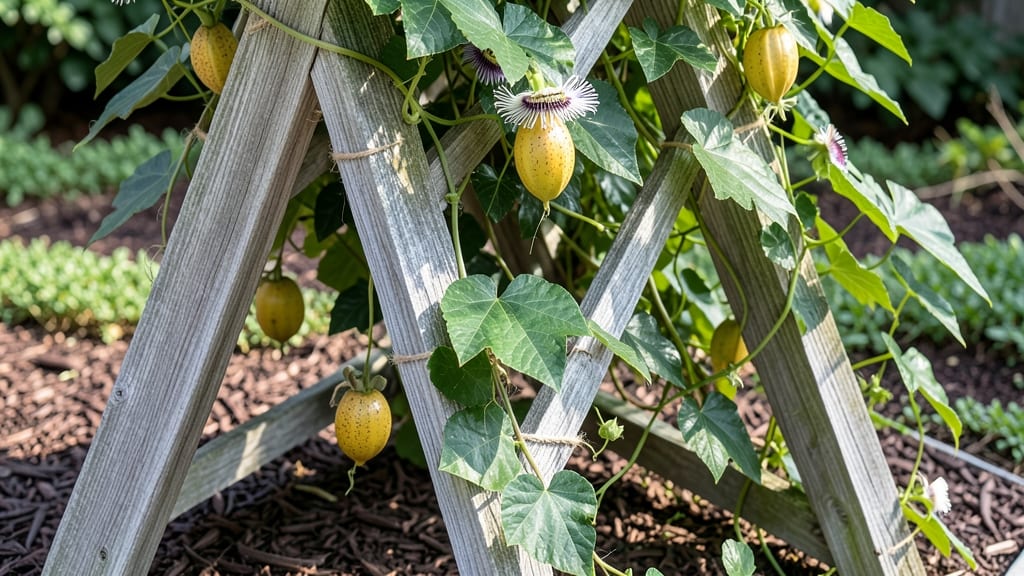
A sturdy trellis for passionfruit vine isn't just support—it's the difference between a tangled mess and a heavy-fruit-laden harvest. 🌱 I learned that the hard way when my first vine collapsed under its own weight, snapping branches and dropping fruit.
Passionfruit vines need strong, flexible support that can handle 20+ pounds of fruit per vine while keeping the foliage off the ground. The right trellis—whether wood, metal, or bamboo—should stretch 8-10 feet tall with horizontal crossbars spaced 12-18 inches apart.
My current setup uses galvanized steel wire strung between wooden posts, which has lasted five seasons without rust or sagging. The key is matching the trellis to your vine’s aggressive growth: passionfruit can climb 20+ feet if given the chance, but proper training keeps it manageable.
With good support, you’ll see larger, sweeter fruit and fewer diseases from poor air circulation. The vines thrive when they’re not fighting for space, and harvesting becomes a breeze instead of a tangled nightmare. Plus, the trellis extends the vine’s lifespan by preventing root rot from ground contact.
Avoid common mistakes like using flimsy materials or spacing supports too far apart. Start with a strong base—literally, bury posts at least 18 inches deep—and adjust as the vine grows.
Trust me, your future self will thank you when you’re picking plump, sun-ripened fruit instead of wrestling with a vine that’s taken over your fence.
📚 In This Guide
- What you need
- Instructions
- Tips and common mistakes
- Wrapping up and next steps
What you need
- ● Trellis Framework: 4–6 wooden posts (4x4 inches, 8 feet tall) – for freestanding trellises
- ● OR metal T-posts (1.5-inch diameter, 6–8 feet tall) – for durability in windy areas
- ● Support Structures: 1–2 horizontal crossbeams (2x4 inches, 6–8 feet long) – for lattice or netting attachment
- ● OR pre-made trellis panels (6x6 feet) – for quick assembly
- ● Vine Support: Heavy-duty garden twine or UV-resistant nylon rope (50–100 feet) – for tying branches
- ● OR plastic-coated wire (14–16 gauge) – for a more permanent setup
- ● Fasteners: Galvanized screws or decking screws (2.5–3 inches) – for securing wood
- ● Staple gun + staples – for attaching netting or twine
- ● Tools: Drill/driver
- ● Measuring tape
- ● Level
- ● Post-hole digger (if setting posts in ground)
- ● Hacksaw or reciprocating saw (for cutting materials)
- ● Vine Training Aids: Soft cloth strips or tree ties – gentler on vine bark
- ● Adjustable trellis clips – for easy branch repositioning
- ● Protective Layers: Wood preservative or paint – to extend lifespan of wooden posts
- ● Landscape fabric – to suppress weeds around the base
- ● Safety Gear: Work gloves
- ● Safety goggles (when cutting materials)
Step-by-step instructions for building a passionfruit vine trellis
Here's how to create a sturdy, long-lasting trellis that supports passionfruit vines as they grow heavy with fruit.
🪴 Step 1: Choose the Right Location and Materials
Passionfruit vines thrive in full sun and need a trellis that can handle their 15-25 foot sprawl. I always select a location with at least 6 hours of direct sunlight and well-draining soil. For materials, you'll need 4-6 sturdy wooden posts (4x4 inches), galvanized wire or strong nylon rope, and wooden crossbeams (2x4 inches) for horizontal support. The posts should be spaced 8-10 feet apart to distribute the vine's weight evenly.
Drive the posts 2 feet deep into the ground to ensure stability, especially in windy areas. Use a level to keep them perfectly vertical—this prevents the trellis from leaning and becoming unstable as the vine grows. I like to bury the posts in a concrete mix (4 parts gravel, 1 part cement) for extra reinforcement, particularly in regions with strong winds or heavy fruit loads.
✂️ Step 2: Construct the Trellis Frame
Attach the horizontal crossbeams between the posts, spacing them 2-3 feet apart vertically. This creates a ladder-like structure that guides the vine upward while providing support for the heavy fruit. Use stainless steel screws or heavy-duty brackets to secure the crossbeams—passionfruit vines can weigh up to 3 pounds per fruit, so the frame must be rigid.
For the climbing support, stretch 12-gauge galvanized wire or ½-inch nylon rope diagonally between the posts, creating a crisscross pattern. Space the wires 12-18 inches apart to allow the vine's tendrils to grip easily. If you're using rope, tie it in a figure-eight knot at each post to prevent slipping. This setup ensures the vine has plenty of surface area to cling to while keeping the fruit off the ground and away from pests.
🌿 Step 3: Train the Vine onto the Trellis
Once your passionfruit vine is 3-4 feet tall, gently guide the main stem upward and secure it to the bottom wire or rope with soft plant ties. Avoid using wire or anything that can cut into the vine—passionfruit stems are tender and bruise easily. As new growth appears, train the side shoots to spread along the horizontal crossbeams, encouraging a balanced, bushy structure. This method prevents the vine from becoming top-heavy and reduces the risk of breakage.
Here's the thing—passionfruit vines grow aggressively, so prune back any shoots that grow toward the ground or crowd the trellis. You'll want to trim in late winter to remove dead or weak growth and shape the vine for the coming season. Always make cuts just above a leaf node to encourage new growth. Watch for new tendrils—these are your vine's natural anchors, and they'll grip the trellis tightly once established.
💧 Step 4: Maintain and Reinforce the Trellis
Check the trellis monthly for signs of wear, especially after heavy rains or storms. Replace any sagging wires or frayed ropes immediately—a weak trellis can snap under the weight of a single fruit. I also recommend painting or staining the wooden posts annually to protect them from rot and insects. Use a non-toxic, water-based sealant to keep the wood safe for edible plants.
During the fruiting season, gently tie heavy clusters to the trellis with soft fabric strips to prevent them from pulling the vine down. Passionfruit can be messy, so place a drip tray or mulch beneath the trellis to catch fallen fruit and debris. This keeps the area tidy and makes harvesting easier. With proper care, your trellis will support your passionfruit vine for years, producing bountiful harvests with minimal effort.
Tips & tricks for sturdy passionfruit vine trellises
Building a trellis that actually holds up under passionfruit's weight requires some strategic thinking—here's what I've learned after years of trial and error.
Foundation Stability: The 2-foot depth for posts is non-negotiable, but I've found that adding a 12-inch base layer of compacted gravel beneath the concrete mix creates an even more stable foundation. This extra step prevents posts from shifting over time, especially in windy climates. For extra security in high-wind areas, consider using two posts per corner instead of one, creating an "H" frame at each end of your trellis.
Crossbeam Spacing Insight: While the instructions call for 2-3 feet between crossbeams, I've discovered that 2.5-foot spacing provides the perfect balance between vine support and air circulation. Too much space creates weak points where the vine might sag, while too little restricts airflow and increases disease risk. Also, use galvanized screws instead of brackets—they resist rust better and provide cleaner attachment points that won't snag the vine.
Climbing Support Secret: The 12-18 inch spacing between wires or ropes is perfect, but here's what nobody tells you: alternate the direction of your diagonal wires between rows. This creates a 3D lattice that gives the vine more grip points. For rope trellises, I've switched to ½-inch diameter polyester rope because it stretches less over time than nylon, maintaining that crucial 12-18 inch spacing even as the vine grows heavier.
Pruning Timing: That late winter pruning window is your best friend, but I've learned to be even more precise. Aim for early to mid-February when the vine is just starting to show new growth. This timing gives you the full growing season to establish new branches before the fruiting season begins. Always make your cuts at a 45-degree angle just above a leaf node—this prevents water from pooling on the cut and reduces disease risk.
Pro Tips for Trellis For Passionfruit Vine
- Building a trellis that actually holds up under passionfruit's weight requires some strategic thinking—here's what I'...
- Foundation Stability: The 2-foot depth for posts is non-negotiable, but I've found that adding a 12-inch base layer o...
- Crossbeam Spacing Insight: While the instructions call for 2-3 feet between crossbeams, I've discovered that 2.5-foot...
Frequently asked questions
Got questions about setting up a trellis for your passionfruit vine?
You’re not alone! Here are answers to the most common concerns to help you grow like a pro.
What’s the best height for a passionfruit vine trellis?
Aim for 8–12 feet tall to give vines room to climb and fruit to hang freely. Passionfruit vines are aggressive growers, so taller trellises prevent branches from sagging under the weight of heavy fruit. Use sturdy posts (like metal or treated wood) to avoid bending.
When is the best time to install a trellis for passionfruit?
Install your trellis before planting or as soon as vines are 6–12 inches tall. Early setup encourages upward growth, while late installation (after vines sprawl) can stress the plant. If retrofitting, gently weave existing vines through the trellis to avoid damage.
Can I use a trellis for passionfruit if I don’t have a fence or wall?
Freestanding trellises (like T-posts with wire mesh or wooden A-frames) work great. For heavy fruit loads, opt for metal or bamboo poles tied with zip ties or soft garden twine to distribute weight. Just ensure the base is buried or anchored to prevent tipping.
Why are my passionfruit vines struggling to climb the trellis?
Vines may avoid trellises due to lack of tendrils (young growth hooks) or overcrowding. Prune leggy vines to encourage new growth, then gently tie them to the trellis with twine. If vines are too old, they may need manual guidance—think of it like training a puppy!
Do passionfruit vines need pruning after using a trellis?
Yes! Prune in late winter to remove dead wood, crossing branches, and overgrowth. This improves airflow, reduces disease risk, and directs energy to fruit production. Leave 3–4 main stems for support—thinner vines climb better and bear more fruit!
Wrapping up and next steps
Building a sturdy trellis for your passionfruit vine isn’t just about aesthetics—it’s a game-changer for maximizing fruit production and making harvests a breeze! 🌱 With the right materials and a little elbow grease, you’ll create a supportive structure that lets your vine thrive while keeping those heavy, delicious fruits off the ground.
Now that you’re armed with all the tips and tricks, it’s time to roll up your sleeves and transform your garden into a passionfruit paradise.
Ready to get started? Grab your tools, follow your plan, and watch your vine flourish—one luscious fruit at a time! 🍈✨