
Orchid Care
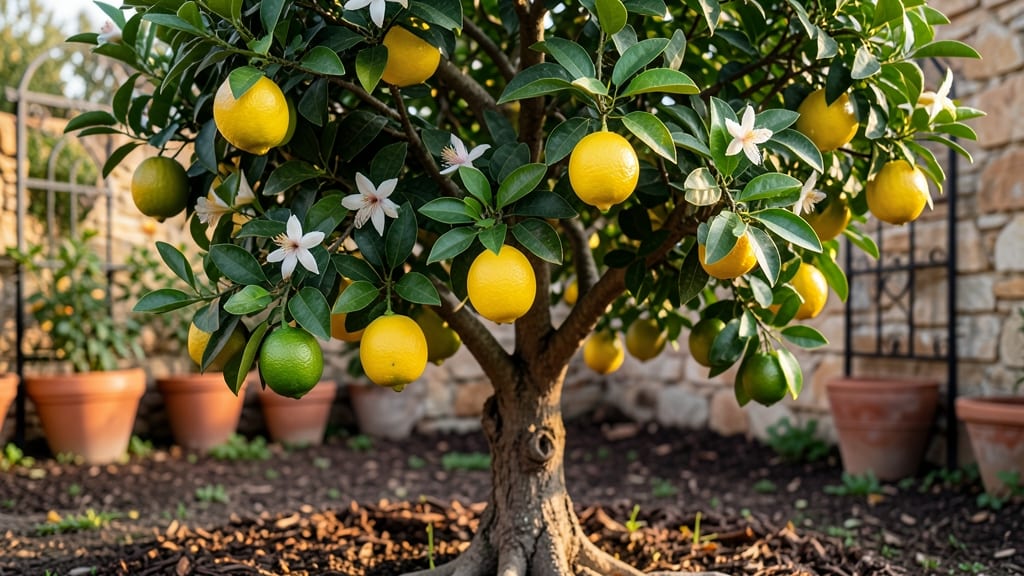
Citrus fruits are a diverse group that includes oranges, lemons, limes, grapefruits, and mandarins, all part of the Rutaceae family. These vibrant fruits are prized for their zesty flavors, vitamin C richness, and durable skins, thriving best in warm climates where they're grown for fresh consumption, juicing, and culinary uses.
When you think of citrus fruits, you're likely picturing that bright, tangy burst that makes everything taste better. 🌿 These fruits aren't just delicious—they're packed with health benefits like immune-boosting vitamin C and antioxidants.
What makes them unique is their botanical family, Rutaceae, which includes over 160 species, though only about 20 are commonly cultivated. The thick skins protect their juicy segments, and their aromatic oils give them that signature zing that chefs and home cooks love to work with.
Beyond the classic varieties, you'll find specialty citrus like yuzu, kumquats, and Meyer lemons, each offering distinct flavors and growing characteristics. These fruits aren't just for eating fresh—they're essential in everything from marmalades to cocktails.
Whether you're growing them in your backyard or buying them at the market, citrus brings a little sunshine to any dish or drink.
Fun fact: Many citrus trees are evergreen, meaning they keep their leaves year-round, adding beauty to your garden even in winter. Their white flowers are also stunning, making them a favorite among gardeners who love both form and function.
💡 In This Article
- Botanical Traits of Citrus Fruits
- Top 10 Citrus Varieties for Home Gardens
Botanical traits of citrus fruits
Citrus fruits all belong to the genus Citrus within the Rutaceae family, a group that also includes non-edible plants like rue and citrus relatives like trifoliate orange. What makes them botanically fascinating is their complex reproductive system—most citrus trees are self-pollinating but produce better fruit when cross-pollinated by bees.
Their flowers, typically white with five petals, bloom year-round in tropical climates, though heavy fruiting can reduce flowering in subsequent seasons.
The signature segmented pulp comes from their unique fruit structure called a hesperidium, where the flesh is divided into juicy sacs filled with fluid and seeds, all encased in a thick, leathery rind.
This rind isn't just protective—it contains essential oils in tiny pockets called glandular trichomes, which give citrus its distinctive aroma and flavor.
For example, lemon peels contain limonene (up to 95% of their oil content), while orange peels have d-limonene and linalool, contributing to their sweet yet tangy profiles.
Citrus trees are evergreen, meaning they retain their dark green, glossy leaves year-round, though older leaves may yellow slightly before dropping. Their growth habits vary—some like the Citrus sinensis (sweet orange) grow as large trees (up to 30 feet tall), while others like the Citrus aurantium (bitter orange) stay smaller.
The trees thrive in USDA hardiness zones 9-11, where temperatures stay above 20°F (-6°C) year-round, though some varieties like Yuzu can tolerate brief dips to 10°F (-12°C).
Here's what's actually happening chemically: The tartness comes from citric acid and malic acid, while the aromatic compounds (like terpenes) develop through a process called secondary metabolism as the fruit matures.
For instance, a Meyer lemon has about 5% citric acid by weight, compared to 1-2% in sweet oranges, which explains their sharper bite. The balance between these compounds is why some citrus tastes sweeter (like Clementines) while others are more acidic (like Key limes).
Citrus fruits also exhibit a phenomenon called alternate bearing, where trees produce heavy crops one year followed by lighter yields the next. This happens because the tree's energy is diverted from flowering to fruit development, then recovery.
Gardeners often prune trees to encourage more balanced production and improve air circulation, which reduces fungal diseases like citrus canker—a bacterial infection that causes scab-like lesions on leaves and fruit.
One of the most interesting traits is their ability to re-root easily from cuttings, a technique gardeners use to propagate new trees. Simply take a 6-inch cutting from a healthy branch, strip the lower leaves, and dip it in rooting hormone before planting in moist sand or perlite.
Within 4-8 weeks, roots will form, and you'll have a new tree! This makes citrus one of the most accessible fruits to grow at home, even in containers.
The thick skins also serve as a natural defense against pests and dehydration. Their waxy coating, called the cuticle, helps retain moisture in arid climates, while the oils deter insects like aphids and scale.
This is why citrus trees often require fewer pesticides than other fruit trees—nature's built-in protection system! 🌟