
Diseases
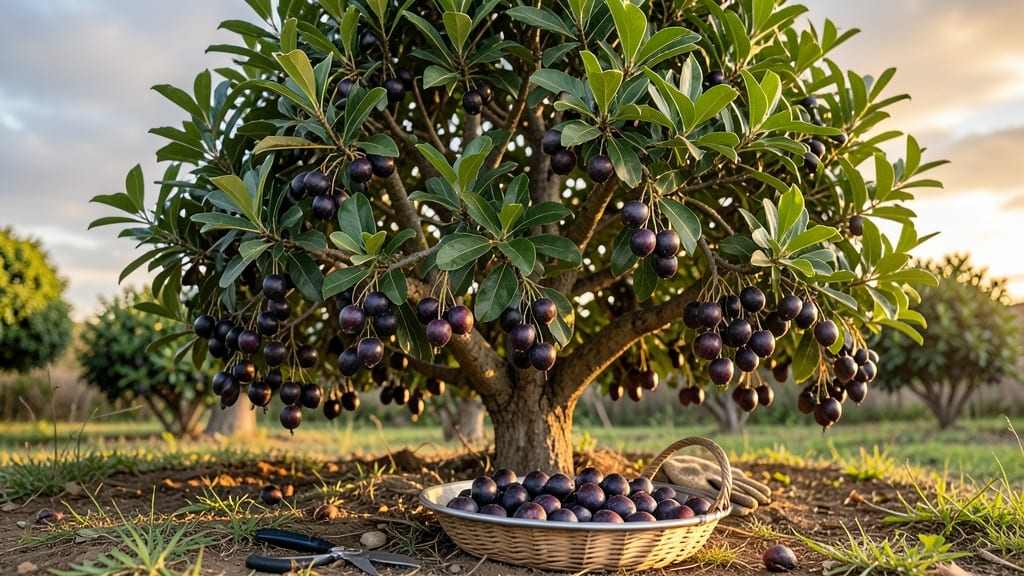
Jamun fruit is a small, oval-shaped dark purple berry native to South Asia, prized for its sweet-tart flavor and medicinal properties. The Syzygium cumini tree bears these fruits, which thrive in tropical climates and are rich in antioxidants, vitamins, and fiber.
This tropical fruit, also called black plum or Indian blackberry, grows on evergreen trees that can reach 30-40 feet tall in ideal conditions. 🌿 What sets jamun apart is its dual nature—it's delicious when ripe but contains a hard, seed-filled pit that makes it challenging to eat fresh without preparation.
Many cultures use jamun in jams, juices, or fermented drinks like jamun sharbat, which highlights its natural sweetness while balancing its subtle tartness.
Beyond its culinary appeal, jamun has been used for centuries in Ayurvedic medicine to support digestion and blood sugar regulation. The fruit's deep purple color comes from anthocyanins, powerful antioxidants that give it both its vibrant hue and many of its health benefits.
I've seen gardeners in tropical regions grow jamun trees not just for their fruit, but also as shade trees—proof of how versatile this plant can be.
💡 In This Article
- Botanical Characteristics and Growth of Jamun Trees
- Cultivating Jamun Fruit: Gardening Tips and Harvesting Guide
Botanical characteristics and growth of jamun trees
The jamun fruit comes from the Syzygium cumini tree, a member of the myrtle family (Myrtaceae) that also includes cloves and allspice. This evergreen species grows best in tropical climates with temperatures between 75-95°F and requires 50-100 inches of annual rainfall.
The tree's dark green, glossy leaves have a distinct lemony aroma when crushed, and its white flowers bloom in clusters before developing into the signature purple fruits. 🌿 Unlike many fruit trees, jamun thrives in well-drained, slightly acidic soil with a pH of 5.5-6.5, making it adaptable to various tropical regions including India, Southeast Asia, and parts of Africa.
What makes jamun trees botanically unique is their dual-purpose nature—they produce both fruit and valuable timber. The wood is dense and durable, often used for furniture and construction in rural areas.
The fruit itself develops from small white flowers that appear in spring, with the fruits ripening over 3-4 months to their characteristic deep purple color.
Each fruit contains a single large, hard seed that accounts for about 30-40% of the fruit's weight, which is why jamun is rarely eaten fresh without preparation—unlike softer berries that can be consumed whole.
The tree's growth habit is another distinguishing feature. Young jamun trees grow relatively slowly but can reach heights of 30-40 feet with proper care, developing a broad canopy that provides excellent shade. This makes them popular in backyard gardens and agricultural settings where multipurpose trees are valued.
The roots are deep and extensive, helping the tree withstand drought conditions once established, though young trees need consistent moisture during their first 2-3 years of growth.
One fascinating botanical adaptation is how jamun trees respond to seasonal changes. During the dry season, the tree sheds some leaves to conserve water, a process called marcescence. This helps the tree maintain its energy reserves while still producing flowers and fruit.
The tree's resilience in poor soil conditions and its ability to thrive in urban environments with air pollution tolerance make it an excellent choice for sustainable landscaping in tropical cities. 🌱
When comparing jamun to other myrtle family fruits, its size and shape set it apart. Jamun fruits typically measure 1.5-2.5 inches in length and 1-1.5 inches in diameter, with a smooth, slightly waxy skin that protects against dehydration.
The flesh inside is juicy but fibrous, containing both sweet and slightly astringent compounds that create its distinctive flavor profile. This combination of characteristics—resilient growth, multipurpose uses, and unique botanical features—makes jamun a remarkable plant in both agricultural and culinary contexts.
For those interested in growing jamun trees, understanding these botanical traits is crucial. The tree's slow initial growth means patience is required, but once established, it can live for 50-100 years with proper care.
The key to successful cultivation lies in replicating its natural tropical environment while providing adequate water and protection from strong winds during its early development stages. 🌿